
IEA-led stock release gains momentum as Europe seeks coordination, refiners capture record margins, and governments move to shield consumers
Narrative Snapshot
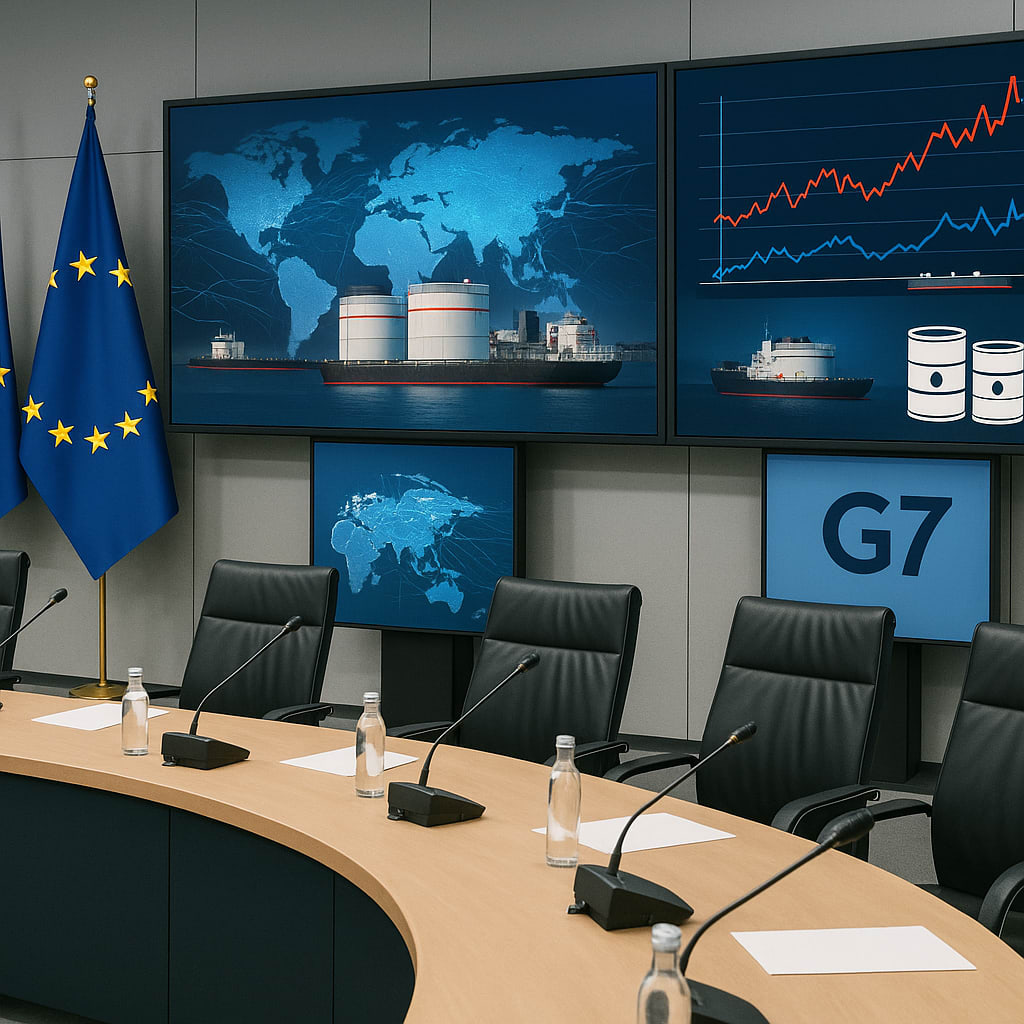
Across outlets, there is broad acknowledgment that governments are mobilizing emergency oil and fuel stocks through the International Energy Agency framework, while the immediate market response has been softer crude prices. Middle East Eye reports that EU countries agreed to conduct any stock draw under the IEA’s March action and discussed accelerating about 100 million barrels already pledged, with Germany confirming it will take part and saying implementation is being processed. Clarin similarly ties the IEA signal to a decline in Brent and WTI at the close, noting an emphasis on diesel within a largely crude-focused release.
What divides the coverage is causality and risk framing. The Guardian centers physical disruptions, citing war-damaged refineries in the Middle East and Russia as drivers of record refining margins. CGTN links the European energy squeeze to disruptions through the Strait of Hormuz amid a US–Israeli military campaign against Iran, while TASS, citing Der Spiegel, highlights an EU fear of a potential US diesel export ban even if it harms US firms. Middle East Eye underscores G7 pressure led by the United States for a 100 million barrel draw alongside a pledge to keep exports unrestricted, leaving open questions on the split between crude and diesel and how this relates to an earlier 400 million barrel commitment.
Domestic policy responses track local political economies. Italian outlets focus on pump-price moves and potential government interventions, with La Repubblica reporting a drop in Eni’s recommended diesel price and Prime Minister Giorgia Meloni expressing hope to reinstate a price cap, while ANSA notes Eni lowered diesel prices and says the government is considering action. In Latin America, Telesur English reports pre-election fuel market control pledges in Brazil and a 30‑day diesel price freeze in Honduras supported by state subsidies. The stakes are clear in the corporate sphere as well: The Guardian reports Shell forecasts its refineries will earn almost double per barrel versus last quarter, underscoring how tight product markets translate into windfall margins.
What Happened
EU governments signaled they would channel oil stock releases through the IEA’s March action, with an EU spokesperson saying members supported accelerating roughly 100 million barrels already pledged. Germany’s economy ministry confirmed it would participate, saying implementation was being processed, after a separate G7 agreement—reached under US pressure—to draw 100 million barrels of crude and diesel and to keep energy exports free of restrictions. Middle East Eye notes unresolved questions about how much of the draw would be crude versus diesel and how it aligns with the earlier 400 million barrel commitment. Clarin reports crude prices fell on the IEA announcement, with an emphasis on diesel needs but a mainly crude draw. The Guardian reports Shell expects third‑quarter refining margins of $42 per barrel, up from $24 in Q2, amid shortages linked to shutdowns of war‑damaged refineries in the Middle East and Russia. CGTN cites the European Commission on high prices despite stable diesel supplies. Italian outlets report Eni’s diesel pricing moves alongside possible government interventions. TASS relays Der Spiegel’s report that the EU fears a potential US diesel export ban. Telesur English details Brazil’s pledge to acquire a fuel distributor for price control and a 30‑day Honduran diesel price freeze.
Why It Matters
The alignment of EU countries around the IEA’s stock‑release mechanism points to a preference for multilateral coordination over ad hoc national moves, even as the G7 presses for an accelerated draw. That choice has implications for credibility and burden sharing within emergency energy governance, especially given unresolved design questions around fuel mix and the relationship to a larger prior pledge. Concurrently, TASS’s account of EU fears about a possible US diesel export ban, set against a G7 affirmation to avoid export restrictions, highlights the fragility of policy coordination when domestic supply security is at stake.
On the demand side, CGTN’s reporting on the European Commission’s price snapshot, together with Italian media on potential price caps and fiscal measures, shows how governments are leaning on administrative and tax tools to buffer consumers from tight global product markets. Corporate performance, as reflected in The Guardian’s reporting on Shell’s forecast refinery margins, signals strong incentives for refiners to run flat‑out when crude is available yet product markets are constrained. In Latin America, Telesur English’s coverage of state‑led price controls and subsidies underscores how smaller or import‑dependent economies manage volatility, with implications for fiscal space and market signals.
Diverging Narratives
Causation for the squeeze is framed differently. The Guardian attributes record refining margins to global shortages tied to shutdowns of war‑damaged refineries in the Middle East and Russia. CGTN situates Europe’s turmoil in disruptions to transport through the Strait of Hormuz linked to a US–Israeli military campaign against Iran, while also relaying the Commission’s note that EU diesel supplies remain stable even as prices stay high. Clarin emphasizes IEA stock signals and cites Middle East tensions and US elections as influences on prices, reflecting a market‑focused lens rather than supply chain specifics.
On governance, Middle East Eye reports EU member states’ choice to work within the IEA’s March action and to discuss accelerating the 100 million barrels already pledged, while also noting a G7 agreement to draw 100 million barrels and avoid export restrictions. Yet TASS, citing Der Spiegel, reports EU concerns that the United States might nonetheless restrict diesel exports despite potential harm to US companies, exposing uncertainty about policy follow‑through. Within Europe, Italian outlets highlight short‑term price movements and potential interventions. La Repubblica reports a drop in Eni’s recommended diesel price and quotes Meloni hoping to reinstate a price cap, whereas ANSA notes Eni lowered diesel prices and says the government is considering action, illustrating differing emphases on trend versus policy intent. In Latin America, Telesur English presents assertive state roles: Brazil’s pre‑election pledge to acquire a fuel distributor to influence domestic pricing and Honduras’s time‑bound diesel price freeze and subsidies, reflecting a policy toolkit distinct from the EU’s reliance on coordinated stock draws and market‑stabilization measures.
What Happens Next
Implementation details of the accelerated IEA‑coordinated release are the pivotal near‑term variable. Middle East Eye reports that EU states discussed moving about 100 million barrels already pledged; analysts should watch for formal allocations across crude and diesel, and clarity on how this interfaces with the separate G7 100 million barrel plan. Germany’s statement that implementation is being processed is a signal to track national release schedules and fuel mixes.
Policy cohesion on export flows is another hinge point. The G7 commitment to keep exports unrestricted contrasts with TASS’s report of EU fears about a potential US diesel export ban; official statements from Washington and Brussels will indicate whether that risk escalates. In Europe, CGTN’s account of ongoing price pressure and Italian media on potential interventions suggest domestic measures remain in play; decisions on price caps or tax instruments in Italy would be consequential signals. In Latin America, Telesur English’s reporting implies follow‑through to watch for: concrete steps on Brazil’s proposed acquisition and whether Honduras extends or adjusts its 30‑day diesel freeze and subsidies as market conditions evolve.