
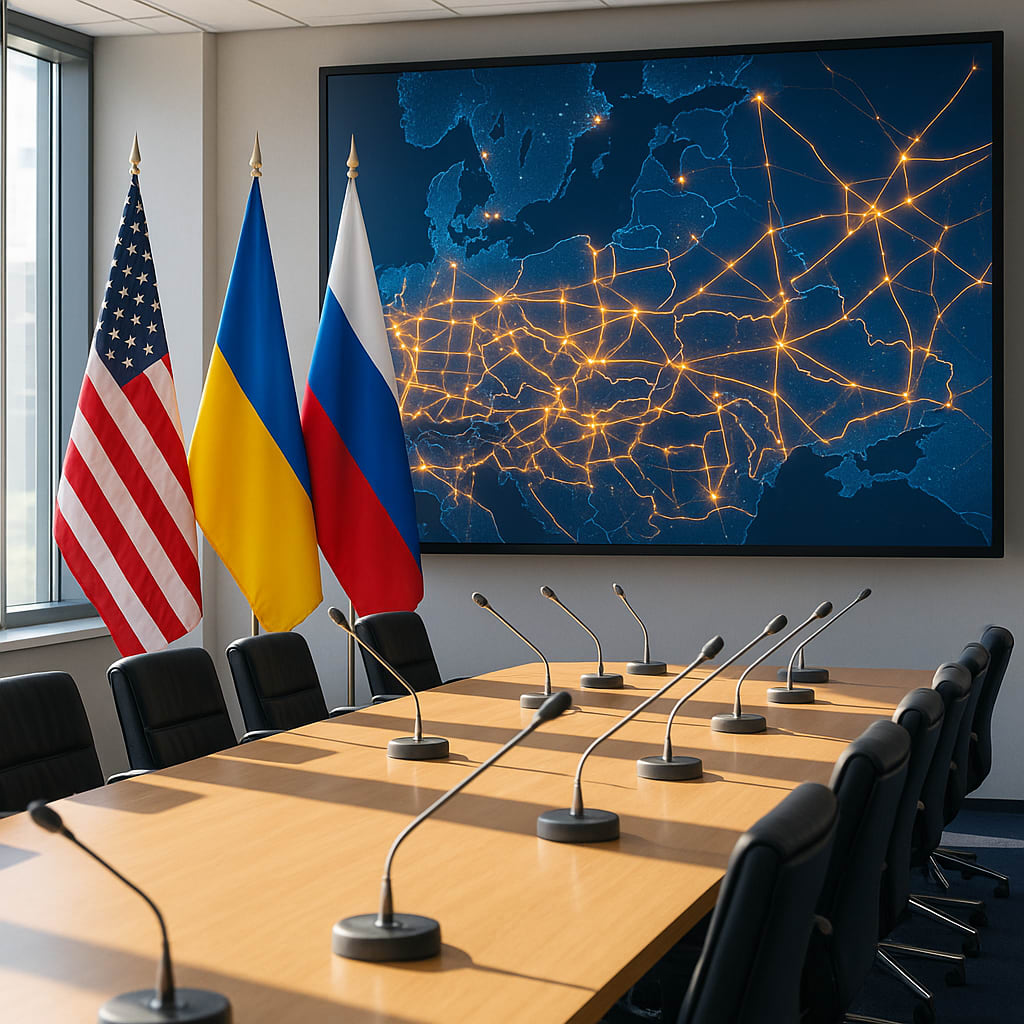
Trump announces ‘energy ceasefire’ between Russia and Ukraine; Kyiv first says it was uninformed, then signals support amid reports of continued strikes
Narrative Snapshot
Across outlets, there is broad agreement that the announcement originated solely from a short social media post by the U.S. president, with no immediate confirmation from either belligerent. International wires and broadcasters emphasized the absence of corroboration and Kyiv’s initial surprise, while Ukrainian state and independent media later reported that Ukraine supported the idea and that military “relevant orders” had been issued, even as officials pointed to ongoing Russian strikes. European coverage added diplomatic texture: some capitals publicly backed the appeal for restraint, but Moscow’s silence was highlighted.
U.S. and U.K. outlets split in emphasis between process and policy trade-offs. Several framed the move against weeks of debate over Ukrainian strikes on Russian refineries and Russian attacks on Ukraine’s power grid. One current in American and French reporting linked the ceasefire push to diesel market concerns and to a reported Trump–Putin understanding on Russian diesel, while a Russian state outlet advanced uncorroborated extensions of that linkage. What is most at stake in the coverage is not the existence of a signed deal, but whether strikes on energy assets actually abate and how the episode reconfigures leverage among Kyiv, Moscow, and Western backers.
What Happened
On Oct. 11, U.S. President Donald Trump posted that Russia and Ukraine had agreed to an “energy ceasefire,” urging both to halt strikes on each other’s energy infrastructure “effective immediately” (BBC; SCMP; Fox News; Deutsche Welle). Kyiv initially said it had no information about such an agreement and that the announcement was “news” to President Volodymyr Zelensky (Kyiv Independent; NBC; France24). Later the same day, Ukraine said it supported an energy ceasefire and awaited details from the United States, and Zelensky stated the Armed Forces had received “relevant orders” following Trump’s statement (Ukrinform; Al Jazeera English).
Several outlets reported there was no confirmation from Moscow (BBC; CGTN; Le Monde, Oct. 12). Ukrainian and international sources also noted continued Russian strikes against energy infrastructure in Kyiv and Kharkiv after the announcement (The Hindu; Le Monde, Oct. 11; ANSA). European capitals including London, Paris, and Ottawa publicly supported the appeal for restraint (Le Monde, Oct. 11).
Why It Matters
The episode sits at the intersection of battlefield strategy, alliance management, and energy market stability. Targeting of energy infrastructure has been central to both sides’ campaigns—Kyiv’s long-range strikes on Russian refineries to diminish wartime revenues and Moscow’s repeated attacks on Ukraine’s grid—so any constraint would directly affect coercive leverage and civilian resilience (Guardian; Fox News; The Hindu). The manner of announcement—without immediate confirmation from Kyiv or Moscow—raises questions about diplomatic coordination and U.S. leverage over partners’ targeting policies (Kyiv Independent; BBC).
European responses suggest an appetite to endorse de-escalation on energy assets, even absent a formal accord, while maintaining broader pressure on Russia (Le Monde, Oct. 11; ANSA; Le Monde, Oct. 12). Reporting that links the ceasefire push to diesel price concerns and to a Trump–Putin understanding on Russian diesel underscores how sanctions design, global fuel flows, and battlefield conduct are being negotiated in the same political space (Fox News; Le Monde, Oct. 12; RT).
Diverging Narratives
Several outlets simply relayed the U.S. president’s claim and his call not to violate it (TASS; Deutsche Welle; SCMP), while many emphasized that neither Kyiv nor Moscow had confirmed any agreement and that Zelensky was initially uninformed (BBC; NBC; Times of Israel; Kyiv Independent). Ukrainian and international reporting then documented Kyiv’s willingness to support an energy ceasefire and issuance of related military orders, paired with accounts that Russian strikes on Ukrainian energy facilities continued, framing immediate compliance as uncertain (Ukrinform; The Hindu; ANSA; Le Monde, Oct. 11).
U.S. and European coverage diverged on drivers and linkages. Fox News and the Guardian anchored the development in ongoing U.S. pressure on Kyiv to halt refinery strikes amid diesel price concerns and Zelensky’s prior insistence that Russia first stop hitting Ukraine’s grid (Fox News; Guardian). French coverage went further on energy-market diplomacy, citing support from allied capitals and, in later reporting, a Trump–Putin understanding on Russian diesel, while noting Kyiv had not been informed when the ceasefire was announced and Moscow remained silent (Le Monde, Oct. 11; Le Monde, Oct. 12). A Russian state outlet connected the ceasefire to broader claims about diesel waivers and Ukrainian domestic politics that were not corroborated elsewhere in the provided material (RT).
What Happens Next
Three decision points will shape outcomes. First, whether Moscow formally acknowledges and observes a halt on energy targeting; so far, there was no confirmation and reports of continued strikes persisted, making Russian statements and strike patterns the primary indicators (BBC; The Hindu; Le Monde, Oct. 11). Second, how Kyiv calibrates its restraint: Zelensky said the Armed Forces received relevant orders and voiced support for an energy ceasefire, but Ukrainian responses will likely track Russian behavior and any U.S. clarifications; watch for sustained pauses in Ukrainian strikes on Russian refineries and detailed guidance from Kyiv (Ukrinform; France24; Al Jazeera English; Guardian).
Third, allied policy signals will matter. Some capitals publicly backed the appeal, and reporting tied U.S. domestic fuel concerns and a Trump–Putin diesel understanding to the initiative; monitor any conditionality on military aid, sanctions adjustments, or coordinated communiqués that could institutionalize or unwind the restraint (Le Monde, Oct. 11; ANSA; Fox News; Le Monde, Oct. 12).