
EU enacts record Russia sanctions as Trump pushes ‘energy ceasefire’ and Russian diesel purchases
Narrative Snapshot
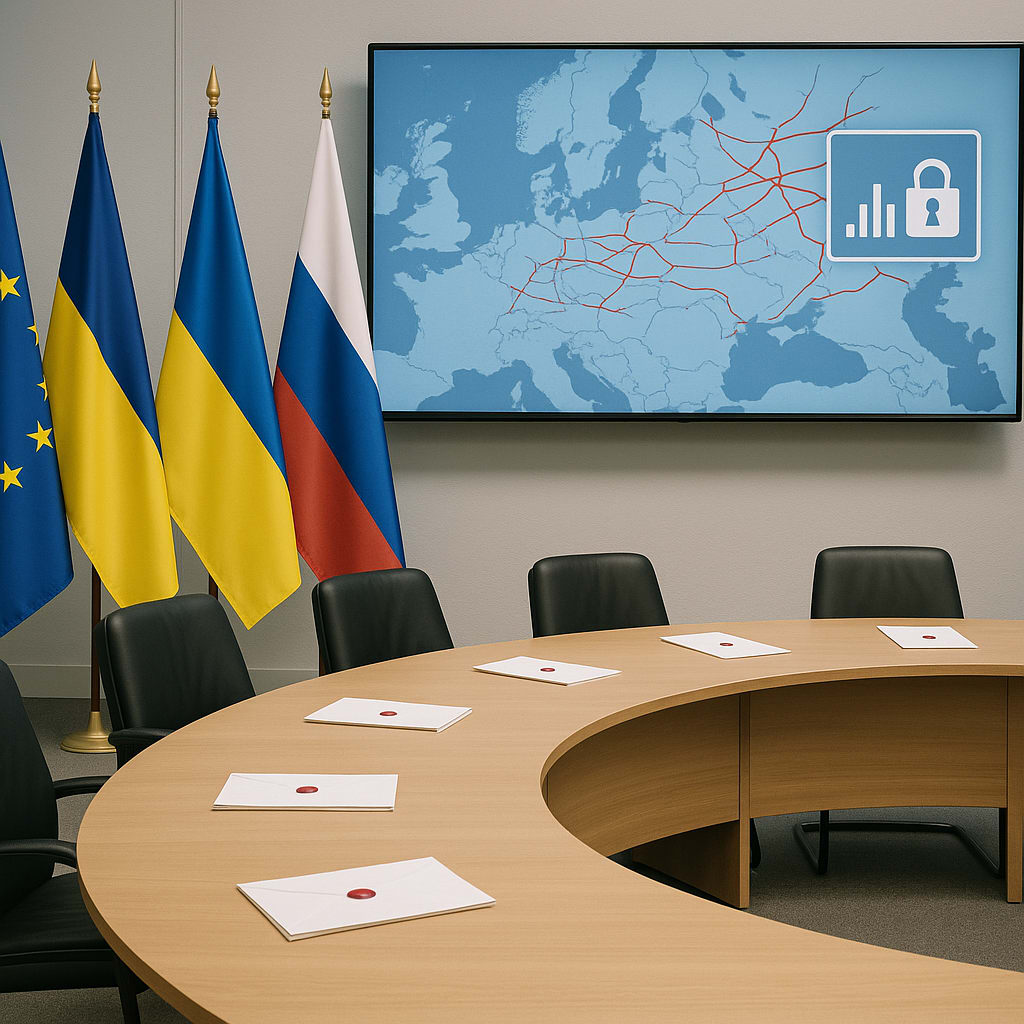
European and Ukrainian outlets broadly converge on the scale and intent of the new EU package, describing a record addition of roughly 1,600 listings aimed at Russia’s military-industrial base, with an emphasis on disrupting ballistic-missile supply chains. Le Monde and Kyiv Independent foreground the size and strategic focus, while Telesur highlights the EU’s assertion that more than half of the listings target missile production links and that the measures address what Brussels calls “sham elections” in occupied Ukrainian territories.
Russian state media shifts the frame to specificity and sovereignty claims. TASS details who is being sanctioned—743 individuals, 826 entities, and 26 shipyards characterized as “strategically important”—and notes listings tied to elections in “Donbass and Novorossiya.” It also presents Moscow’s demand that Kyiv “acknowledge the reality on the ground,” signaling Russia’s narrative of territorial consolidation amid sanctions.
Anglophone and Latin American coverage brings U.S. policy into sharper view. The New York Times and CBC report the Trump administration’s moves to buy Russian diesel and press Ukraine to stop refinery strikes, while The Guardian focuses on the U.S. president’s unilateral announcement of an “energy ceasefire” that Kyiv said it had not agreed to. Clarin explicitly links Europe’s sanctions expansion to deteriorating U.S.-Ukraine dynamics over Russian fuel and refinery strikes.
Reporting on the political track centers on Trump’s calls for Ukrainian elections and criticism of President Volodymyr Zelensky, covered by Al Jazeera English, France24, The Hindu, La Repubblica, and Le Monde’s live updates. Those updates also capture asymmetry in proposed election-related pauses in fighting: a Ukrainian request for a 60‑day ceasefire contrasted with Russia’s readiness for only a one‑day pause and a rejection by Sergey Lavrov of any truce “for elections.”
What Happened
EU foreign ministers adopted what officials described as the bloc’s largest-ever Russia sanctions expansion, adding roughly 1,600 listings aimed at the defense-industrial sector. EU foreign policy chief Kaja Kallas said more than half target ballistic-missile production links and are designed to make Russia’s weapons output “harder, slower and more expensive.” TASS reported the package includes 743 individuals and 826 entities, among them 26 shipyards deemed strategically important, and cited Estonia’s foreign minister saying 77 people were listed for taking part in Russian-organized votes in occupied Ukrainian territories. In parallel, President Donald Trump urged Ukraine to hold elections, criticized Zelensky for not ending the war, and announced an “energy ceasefire,” which Kyiv said it had not agreed to. The New York Times reported Washington is moving to buy Russian diesel and pressing Ukraine to halt strikes on refineries; Zelensky warned such purchases would bankroll Russia’s war.
Why It Matters
The EU’s escalation underscores the bloc’s capacity to sustain and sharpen a sanctions regime focused on complex supply chains, including ballistic-missile inputs, even as a key ally pursues fuel purchases from Russia. That divergence tests allied coherence on coercive economic strategies and could affect sanctions efficacy if energy trade flows expand through the United States. The package’s inclusion of individuals tied to Russia-organized votes in occupied areas also reiterates the EU’s non-recognition stance and leverages listings to contest Moscow’s political consolidation efforts. On the political-military track, a U.S. call for an “energy ceasefire” without Kyiv’s buy-in places pressure on a partner’s strike campaign against Russian refineries that several reports describe as central to contesting Moscow’s war economy. The juxtaposition—EU tightening sanctions tools while Washington prioritizes fuel price and import considerations—raises immediate coordination challenges for governments and multilateral bodies managing support to Ukraine.
Diverging Narratives
Outlets align on the magnitude of the EU move but differ on framing its drivers and targets. EU and Ukrainian sources emphasize a strategic choke on Russia’s missile production, while TASS foregrounds the breadth of sectors hit, naming shipyards and “strategically important” enterprises, and specifies that dozens were listed over participation in elections in occupied territories. Latin American coverage in Clarin connects the EU expansion to tensions stemming from U.S. measures on Russian diesel, a link also suggested by CBC and The New York Times, which detail U.S. pressure on Kyiv to stop refinery strikes alongside moves to buy Russian fuel.
On the battlefield-politics interface, The Guardian reports Trump’s “energy ceasefire” announcement and Kyiv’s denial of any agreement, noting ongoing Russian strikes. France24 and Al Jazeera English capture Trump’s critique of refinery attacks and his call for Ukraine to replace its president or hold elections, with The Hindu adding his claim that Putin seeks a settlement. Le Monde’s live coverage notes Ukraine requested a 60‑day ceasefire for elections, while Russia signaled only a one‑day pause and rejected a truce “for elections.” These accounts highlight a gap between U.S. messaging, Kyiv’s operational posture, and Moscow’s limited readiness to pause hostilities.
What Happens Next
Three decision points emerge. First, EU implementation: the listings’ impact will turn on enforcement against targeted shipyards and missile-supply nodes. Analysts should watch for publication of designations, sectoral coverage breadth, and any EU statements on disrupting missile production timelines, as Kallas framed. Second, the “energy ceasefire” test: indicators include whether Ukrainian long-range strikes on Russian refineries continue despite U.S. pressure reported by France24, CBC, and the New York Times, and whether Russia reduces attacks on Ukrainian energy infrastructure; The Guardian noted no such sign. Third, fuel flows and wartime financing: Telesur referenced a U.S. authorization for Russian diesel imports until April 2027 and the New York Times described U.S. moves to buy diesel; tracking actual import volumes and Kyiv’s public responses will signal whether this becomes a durable policy friction. Finally, the elections question bears watching through any negotiated pause length, with Le Monde reporting Kyiv’s 60‑day request and Moscow’s one‑day offer.