
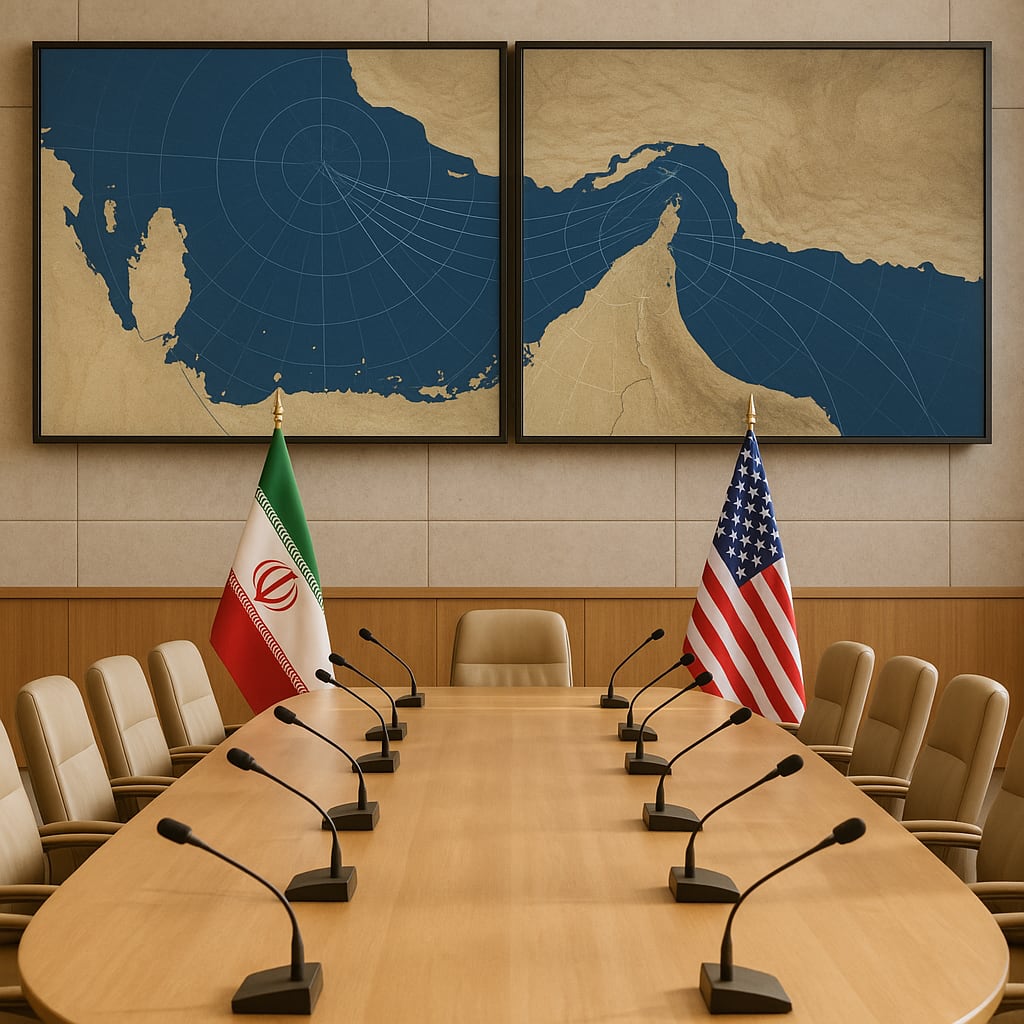
Iran appoints Mehrdad Akhlaghi Ketabchi as defense minister, warns US as Tehran touts upgraded capabilities
Narrative Snapshot
Iranian and region-focused outlets foreground deterrence. Tehran Times presents the appointment through claims that Iran’s “upgraded and modernized” capabilities since a 12‑day conflict with the United States and Israel have “changed adversaries’ military calculations” and created doubt about renewed confrontation. Middle East Eye highlights Ketabchi’s direct warning to Washington, quoting him on “surprising and extensive” retaliation and assigning responsibility for any escalation to the “terrorist US government and its allies.”
Israeli coverage emphasizes risk and sanction exposure. The Times of Israel underscores that parliament backed Ketabchi eight months after US‑Israeli strikes killed his predecessor and notes his 2007 UN sanctions over alleged nuclear and missile activity. It connects the appointment to prior reporting that Tehran was shoring up nuclear-site defenses and threatening expanded actions, including against US warships and Saudi oil facilities, if war resumes.
Latin American and Indian outlets diverge on pedigree and loss. Clarin stresses Ketabchi’s long ministerial experience, his stated push to strengthen regional alliances despite UN sanctions, and reports he lacks military experience. By contrast, The Hindu calls him a “veteran defence official” and uniquely reports that the late minister died “alongside former Supreme leader Ayatollah Ali Khamenei,” a detail not echoed elsewhere in the set.
US coverage ties the appointment’s timing to maritime insecurity. Fox News, citing the IMO chief, reports dozens of recent attacks on vessels around the Strait of Hormuz, roughly 6,000 seafarers stranded, and a warning against transiting without guarantees, situating Iran’s defense posture within a broader deterioration in regional shipping safety.
What Happened
Iran appointed Mehrdad Akhlaghi Ketabchi as defense minister, with The Times of Israel reporting he won parliamentary backing eight months after his predecessor was killed in opening US‑Israeli strikes. Middle East Eye quotes Ketabchi warning Washington that any further “miscalculation” would draw a “surprising and extensive” response, while assigning consequences to the US and its allies. Tehran Times says Iran has upgraded and modernized defenses since a 12‑day war with the US and Israel, claiming this has altered adversary calculations. Clarin reports Ketabchi intends to strengthen regional alliances despite United Nations sanctions; The Times of Israel notes he was sanctioned by the UN in 2007 over alleged nuclear and missile activity. Separately, The Times of Israel reported days earlier that Tehran was shoring up defenses at nuclear sites and issuing deterrent warnings about possible actions if war resumes. Fox News relays the IMO chief’s warning amid mounting attacks on shipping near the Strait of Hormuz.
Why It Matters
Placing a UN‑sanctioned figure at the helm of defense consolidates Tehran’s alignment toward sanctions‑resilient security policy and signals continuity in deterrence messaging. The appointment and accompanying threats intersect with regional stability in two domains highlighted by the sources: the nuclear and missile file, and maritime security. The Times of Israel’s emphasis on nuclear‑site defense measures and earlier Iranian warnings to target US warships and Saudi oil facilities sits alongside Tehran Times’ claim that upgraded capabilities complicate adversary planning, indicating a contested deterrence balance. Fox News’ account of IMO alarm over ship attacks near Hormuz elevates the stakes for international trade and seafarer safety, pressing governments and multilateral bodies to calibrate risk management. For decision‑makers, the combination of leadership change, hardline rhetoric, UN sanction legacies, and acute maritime vulnerability underscores the need to integrate escalation control, sanctions policy, and shipping protection in any response.
Diverging Narratives
Outlets align that Ketabchi’s appointment follows the death of his predecessor in US‑Israeli strikes and that he issued stark warnings to Washington, but they diverge on context, capability, and credibility. Tehran Times and Middle East Eye frame Iran’s posture as confident deterrence, asserting upgrades that have “changed” adversaries’ calculations and promising extensive retaliation if attacked. Israeli coverage centers on external risk and sanction history; The Times of Israel stresses Ketabchi’s 2007 UN designation and situates the appointment amid Tehran’s reported preparations to defend nuclear sites and threaten broader action if war restarts. Clarin highlights diplomatic intent—strengthening regional alliances despite sanctions—while also reporting Ketabchi lacks military experience, in tension with The Hindu’s description of him as a “veteran defence official.” The Hindu further reports that Aziz Nasirzadeh died “alongside former Supreme leader Ayatollah Ali Khamenei,” a claim not present in other sources here. Meanwhile, Fox News introduces an operational metric of risk: sustained attacks on shipping, stranded crews, and an IMO warning against Hormuz transits absent guarantees, contrasting with Iranian claims that adversaries are newly deterred.
What Happens Next
Two decision points dominate. First, whether the United States and Israel resume strikes: Iranian officials quoted by Middle East Eye warn of “surprising and extensive” retaliation causing “enormous damage,” while Tehran Times argues Iran’s upgrades sow doubt about renewed confrontation. Analysts should watch for explicit US or Israeli messaging and force posture changes, as well as Iranian moves linked by The Times of Israel to bolstering nuclear‑site defenses. Second, the trajectory of maritime insecurity: Fox News cites the IMO chief urging against Hormuz transits without guarantees after reports of numerous attacks and trapped crews. The pace of reported incidents and any adjustments in IMO guidance will indicate whether risk is stabilizing or escalating. A third track is diplomatic outreach: Clarin reports Ketabchi aims to strengthen regional alliances despite UN sanctions; observable engagement with neighbors or publicized coordination would signal that strand of Iran’s strategy advancing alongside deterrence messaging.