
Brazil Election Dispute Brings Meta’s Moderation Practices Before Courts
Narrative Snapshot
The coverage broadly agrees that Meta’s role has become an institutional issue rather than a purely partisan campaign complaint. Brazilian reporting centers on the company’s moderation systems, transparency obligations, and the response of domestic authorities. International coverage places greater emphasis on the implications for political expression and the credibility of digital platforms during elections.
The sources differ most clearly in how they describe the alleged mechanism. Lula’s campaign and demonstrators describe unequal algorithmic distribution, blocked messages, and restrictions on access to audiences. Reports citing Meta emphasize compliance with a Brazilian court order requiring equal treatment. The Meta Oversight Board’s intervention adds a separate, more systemic interpretation: recurring technical and procedural failures in election-content moderation affecting Brazil and the United States.
The allegations surrounding Flávio Bolsonaro’s campaign receive particularly different treatment. Telesur characterizes the campaign as using artificial intelligence, automated accounts, synthetic consensus, and altered event photographs to simulate broader support. Clarín presents the dispute more symmetrically, emphasizing that both campaigns seek legal action against their rival. The United Nations experts, meanwhile, focus less on the legitimacy of either campaign’s allegations than on whether restrictions imposed by a dominant platform are proportionate, explained, and applied consistently.
What Happened
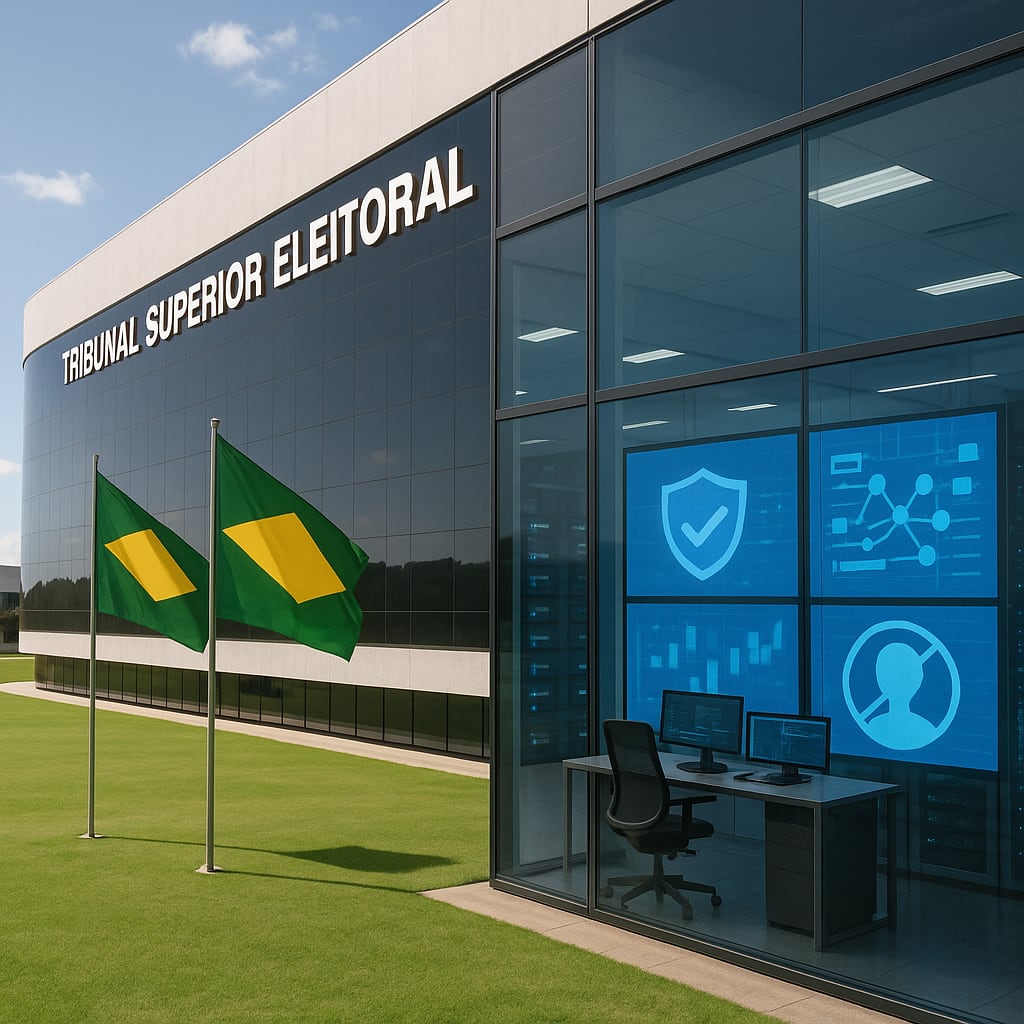
The Superior Electoral Court gave Meta 24 hours to demonstrate that it was treating Lula’s and Flávio Bolsonaro’s campaigns equally. Meta said it had complied with that order. Lula’s campaign prepared a petition seeking the annulment of Bolsonaro’s candidacy, alleging that Meta’s algorithms suppressed Lula-related content and promoted material supporting his rival. The dispute also prompted protests outside Meta’s São Paulo offices and a recommendation by the Lula government that Brazil’s Federal Prosecutor’s Office for Citizen Rights bring a civil public action over alleged lack of transparency. United Nations human rights experts requested explanations from Meta concerning the distribution of posts and the use of Meta AI. The company’s Oversight Board separately reported recurring failures in election-content moderation and called for greater transparency and consistency.
Why It Matters
The episode tests how electoral institutions can supervise privately operated communication systems that shape political participation without functioning as formal election authorities. WhatsApp, Facebook, Instagram, and Meta’s artificial-intelligence tools are treated in the sources as infrastructure through which candidates reach voters, making moderation decisions relevant to equal political participation and freedom of expression.
For Brazil, the court’s demand for evidence of equal treatment establishes a direct accountability mechanism for a global technology company during an election. The government’s proposed legal action could extend that scrutiny beyond an individual campaign dispute to broader transparency requirements. Internationally, the UN experts’ intervention frames the matter within human-rights standards concerning expression, association, participation, and equal treatment. The Oversight Board’s finding that similar moderation problems affect Brazil and the United States suggests that the issue concerns institutional capacity and platform governance across electoral settings, not only Brazil’s immediate runoff.
Diverging Narratives
Lula’s campaign presents the alleged imbalance as algorithmic interference that warrants removing Bolsonaro from the ballot. Demonstrators supporting that position describe the issue as suppression of progressive political content and demand access to information about Meta’s algorithms. Meta’s reported position is narrower: the company says it complied with the court’s instruction to treat the candidates equally. The sources do not provide the underlying evidence used by either side or explain how the court will assess compliance.
Bolsonaro’s side, as reported by Clarín, portrays a successful Lula WhatsApp channel as an abuse of power and seeks judicial action against Lula’s candidacy. This creates a reciprocal legal framing in which both camps accuse the other of improper digital conduct. A further distinction concerns the source of the problem. Some coverage emphasizes deliberate platform bias, while the Oversight Board describes recurring moderation failures and automated technical errors. Telesur attributes artificial manipulation directly to Bolsonaro’s campaign, citing altered photographs and synthetic methods, whereas the UN experts concentrate on restrictions imposed by Meta and do not, in the cited material, resolve the allegations about campaign-generated content.
What Happens Next
The immediate decision point is whether Brazil’s electoral authorities accept Meta’s assertion of compliance or require further evidence concerning distribution, moderation, and AI-related treatment of the campaigns. A finding of unequal treatment could strengthen Lula’s request for legal sanctions and reinforce demands for platform transparency; a finding that Meta met the order would leave the broader moderation concerns identified by the Oversight Board and UN experts unresolved.
A second path concerns institutional escalation. The Federal Prosecutor’s Office for Citizen Rights must decide whether to pursue the civil action recommended by the Lula government, while the top electoral court must consider the rival requests to annul candidacies. Analysts should watch for published evidence about algorithmic reach, explanations from Meta regarding campaign accounts and Meta AI, and any formal response to the UN experts. Those developments will determine whether the dispute remains a runoff tactic or produces durable requirements for electoral-platform accountability.