
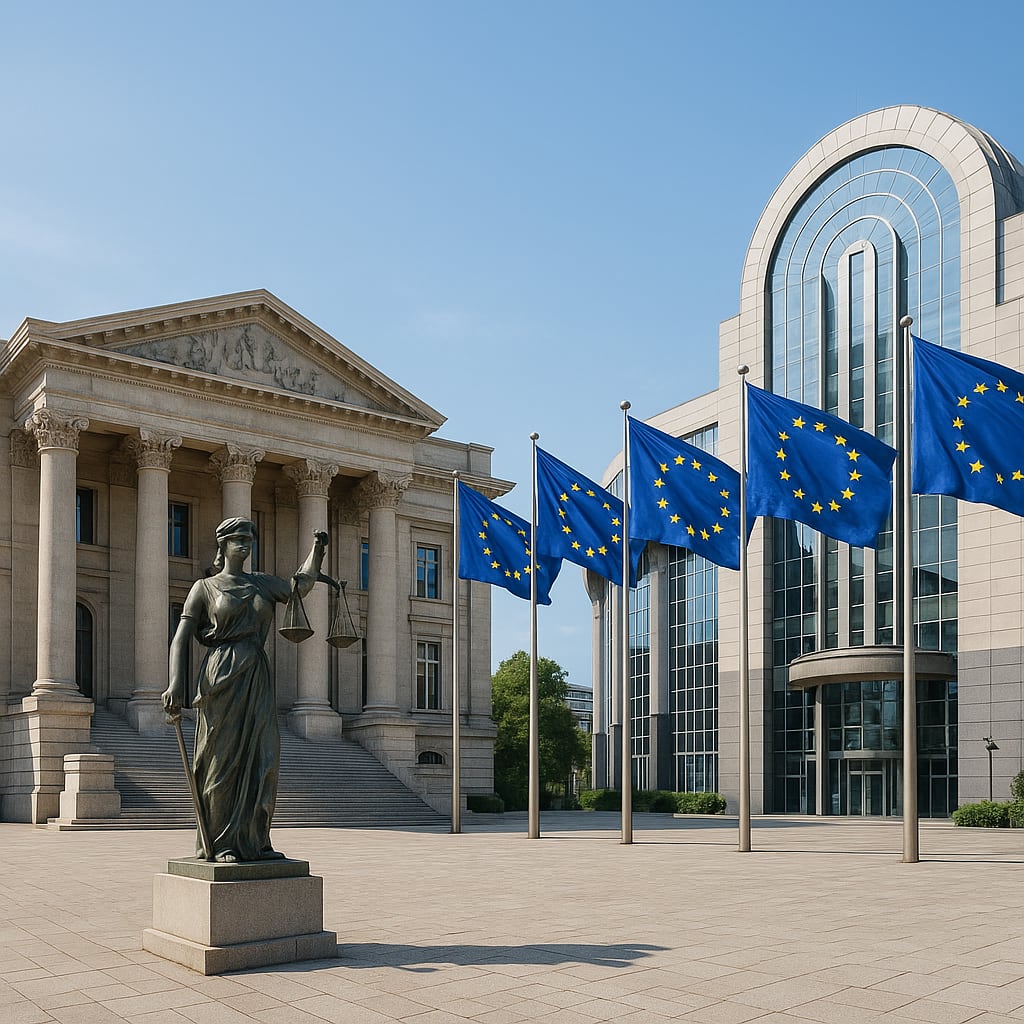
European Parliament Awards Sakharov Prize to International Criminal Court
Narrative Snapshot
Coverage converges on the European Parliament’s recognition of the International Criminal Court and its officials with the Sakharov Prize, while differing in how prominently it places the award within the broader dispute over the tribunal’s future. Bangkok Post, France24, Al Jazeera English and The Times of Israel foreground the timing of the decision alongside US sanctions and President Donald Trump’s attacks. Their framing presents the award primarily as an institutional response to pressure from Washington.
Other reports are more restrained. The Toronto Star and CBC News focus on the official announcement and the European Parliament’s stated rationale, while Deutsche Welle reports the outcome without elaborating on the confrontation surrounding it. South China Morning Post adds the tribunal’s investigations into the United States and its allies, including Israel, thereby emphasizing the cases that have intensified opposition to the court.
The award’s institutional meaning is also framed differently. European and French coverage stresses multilateralism, international law and firmness toward Washington. The Times of Israel emphasizes the court’s independence and Trump’s pledge to dismantle it. Argentina’s Clarín presents the decision as support for human-rights work and independent judicial institutions. ANSA is the outlier, referring to “contrary expectations” and a Socialist Union candidate without explaining the significance of that comparison.
What Happened
On 22 October, the European Parliament announced the International Criminal Court as this year’s recipient of the Sakharov Prize, the European Union’s top human-rights honor. Parliament President Roberta Metsola said the award recognized the court’s work in upholding international law and justice and reflected the EU’s commitment to multilateralism and international institutions. The ICC thanked Parliament, saying the recognition came as the court and its officials faced “unprecedented challenges.” Reports place the decision shortly after the Trump administration announced sweeping sanctions against the tribunal. Those measures were described as part of a campaign directed at a court investigating the United States and its allies, including Israel. Several accounts also note that ICC judges or other officials have already been targeted.
Why It Matters
The decision places the EU’s principal parliamentary human-rights award behind an international judicial institution whose authority depends on cooperation among states. That gives the announcement significance beyond ceremonial recognition: it links European support for the ICC to broader commitments to multilateralism, international law and judicial independence. The episode also exposes a structural vulnerability of international courts when a powerful state contests their jurisdiction and seeks to restrict their operations. For governments and multilateral bodies, the relevant question is whether political endorsement can sustain institutional capacity when officials face sanctions and the court’s functioning is challenged. The sources do not establish the practical effect of the award, but they show European institutions defining support for the ICC as part of a wider defense of international legal arrangements.
Diverging Narratives
The main differences concern interpretation rather than the award itself. France24 and Bangkok Post describe the prize as a gesture that risks angering Trump, making the EU-US confrontation central to the story. Le Monde presents it more directly as Parliament’s display of firmness toward Washington, reporting that the court is threatened with dismantling and that some judges have already been sanctioned. The Times of Israel similarly highlights Trump’s stated intention to dismantle the tribunal “brick by brick,” but pairs that language with Europe’s support for judicial independence.
South China Morning Post gives greater attention to the investigations that have triggered opposition to the ICC, identifying the United States and its allies, including Israel. Clarín instead emphasizes human rights and independent institutions. CBC News uses the Parliament’s institutional language and describes escalating attacks, without expanding on the underlying cases. One unresolved element is the practical scope of the sanctions and their effect on the court: the sources describe serious challenges, but do not specify their operational consequences. ANSA’s reference to a Socialist Union candidate and “contrary expectations” is not explained elsewhere in the supplied coverage.
What Happens Next
The immediate decision points concern whether the European Parliament’s recognition remains primarily symbolic or is followed by additional European support for the ICC’s independence and functioning. Analysts should watch for further statements or measures from EU institutions and member governments, particularly because the sources characterize the award as a response to pressure on the court.
A second path concerns Washington’s campaign. Further sanctions, expanded restrictions or continued demands aimed at stopping proceedings against US or allied citizens would indicate sustained confrontation; a change in those measures would point to a different trajectory. The court’s own communications and the conduct of its officials will also matter, especially whether they describe the sanctions as affecting operations or judicial work. The sources establish these pressures but provide no basis for predicting their outcome.