
Student-led opposition wins Serbian parliamentary elections as Vučić concedes
Narrative Snapshot
Across outlets, there is clear agreement that a student-led movement translated nearly two years of anti-corruption protests into a decisive electoral win, prompting Aleksandar Vučić to acknowledge defeat. Coverage consistently traces the movement’s origins to the 2024 collapse of a railway station canopy in Novi Sad that killed 16 people and ignited sustained demonstrations demanding accountability.
Where interpretations diverge is on foreign policy direction and the meaning of the result for Serbia’s positioning between Moscow and European partners. Some Western outlets highlight expectations of a “reset” with the EU, while others foreground assurances from a Student List representative that Belgrade will resist sanctions on Russia. Regional and European media emphasize scenes of mass celebration and the symbolic end of a long incumbency; Russian outlets stress continuity in Serbia’s relations with Moscow. Another common thread is uncertainty about leadership and governing capacity: while projections show a commanding majority, reports note that key leadership choices are unsettled and the agenda ahead is complex.
What Happened
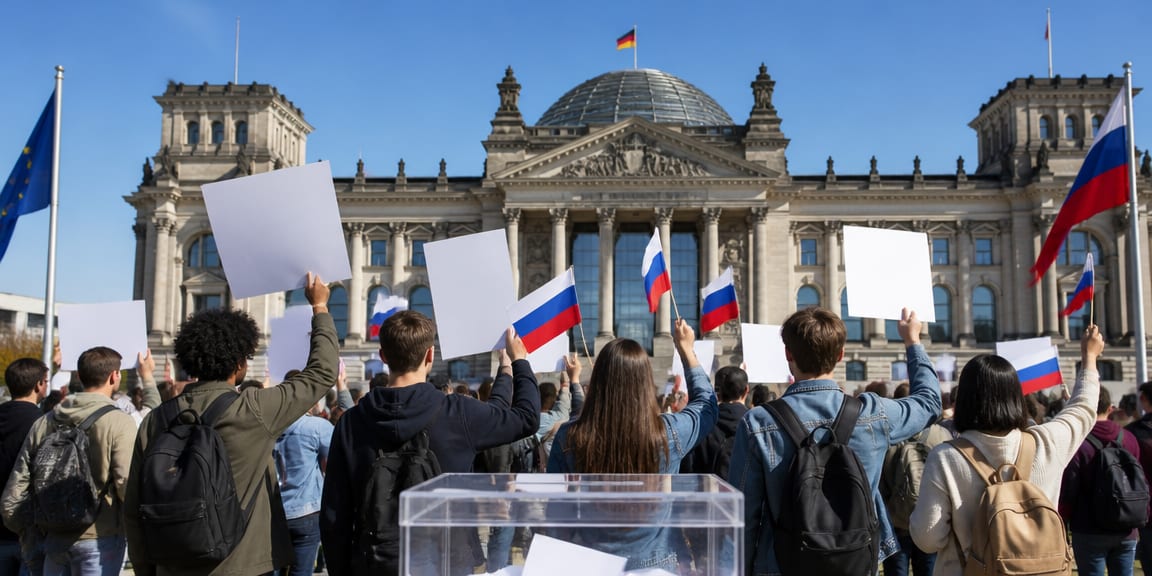
In snap parliamentary elections held on October 25, a student-led opposition list defeated the bloc aligned with longtime leader Aleksandar Vučić, who conceded the result. Preliminary tallies cited by UK media put the Student List at about 52.6% with most polling stations processed, well ahead of Vučić’s alliance near 39% (The Guardian). Projections from election monitors and pollsters reported by Latin American and Italian outlets suggested roughly 135–140 seats for the Student List, compared to about 103–105 for the Serbian Progressive Party (Telesur English; La Repubblica). The vote followed protests sparked by the 2024 Novi Sad station canopy collapse that killed 16 people, which numerous outlets identify as the catalyst for a broad anti-corruption movement (Kyiv Independent; Deutsche Welle; The Hindu; Haaretz). Celebrations filled central Belgrade after the opposition victory (Le Monde; Corriere della Sera). Before the vote, Vučić had called the snap election and shifted to seek the prime ministership (Haaretz; Fox News).
Why It Matters
The outcome ends 14 years of Serbian Progressive Party dominance and opens a transition defined by the protest movement’s demands and Serbia’s external balancing (Telesur English; Folha de S.Paulo). European coverage links the result to prospects for a new opening with EU partners, after years of contentious debates over rule of law and alignment on major foreign policy issues (The Guardian). Russian coverage underscores signals from within the winning camp that Serbia will not enact sanctions on Moscow, reflecting persistent pressures around Serbia’s hedging between the EU and Russia (RT; RT analysis). Domestically, the movement’s ascent from street mobilization to parliamentary majority tests whether anti-corruption momentum can translate into institutional reform and accountability over the 2024 Novi Sad tragedy (Al Jazeera English, Oct 24; Deutsche Welle). For policymakers, Serbia’s immediate choices on cabinet formation, justice-sector priorities, and external alignment will shape regional dynamics and engagement strategies.
Diverging Narratives
Foreign policy framing is the clearest split. UK and Brazilian outlets describe the result as opening space for a reset with the EU and as a setback for Moscow’s ally in Belgrade (The Guardian; Folha de S.Paulo). In contrast, a Student List representative told Russian media that Serbia will maintain longstanding ties with Russia and will not impose sanctions, signaling continuity rather than rupture (RT). Ukrainian coverage characterizes Vučić as “Russian-friendly,” sharpening the contrast in expectations about what the change means for Serbia’s external orientation (Kyiv Independent).
Questions about leadership and governing capacity also surface. French coverage notes that the movement’s leaders have yet to be named and face a demanding agenda (France24). Italian reporting points to internal deliberations, mentioning a cardiology professor associated with the movement and suggesting that a former central banker could be the favorite for prime minister, highlighting uncertainty over the incoming government’s composition (La Repubblica). On process and climate, projections of vote share and seats are consistent but not final (The Guardian; Telesur English). Meanwhile, the ruling party alleged an election-day assault on Vučić’s mother, a claim not corroborated elsewhere in the provided sources and presented as an SNS statement (RT).
What Happens Next
The first decision point is government formation and leadership selection. With projections indicating a parliamentary majority for the Student List, attention turns to whom the bloc nominates for prime minister and key ministries; reports note both unnamed leaders and specific potential figures, indicating internal choices still to be made (France24; La Repubblica; Telesur English). A second hinge is foreign policy signaling. One representative has publicly rejected sanctions on Russia (RT), while European outlets spotlight expectations of a renewed EU relationship (The Guardian). Early cabinet appointments and initial diplomatic statements will indicate which emphasis prevails. A third track is accountability and reform. The movement’s mandate is rooted in calls for justice after the 2024 Novi Sad tragedy and broader anti-corruption demands (Al Jazeera English, Oct 24; Deutsche Welle). Watch for steps on investigations, oversight, and legislative priorities addressing these themes. Finally, monitor the defeated SNS’s posture in opposition following Vučić’s concession (France24; TASS).