
Student-led opposition wins Serbia’s snap election as Vučić concedes after 14 years in power
Narrative Snapshot
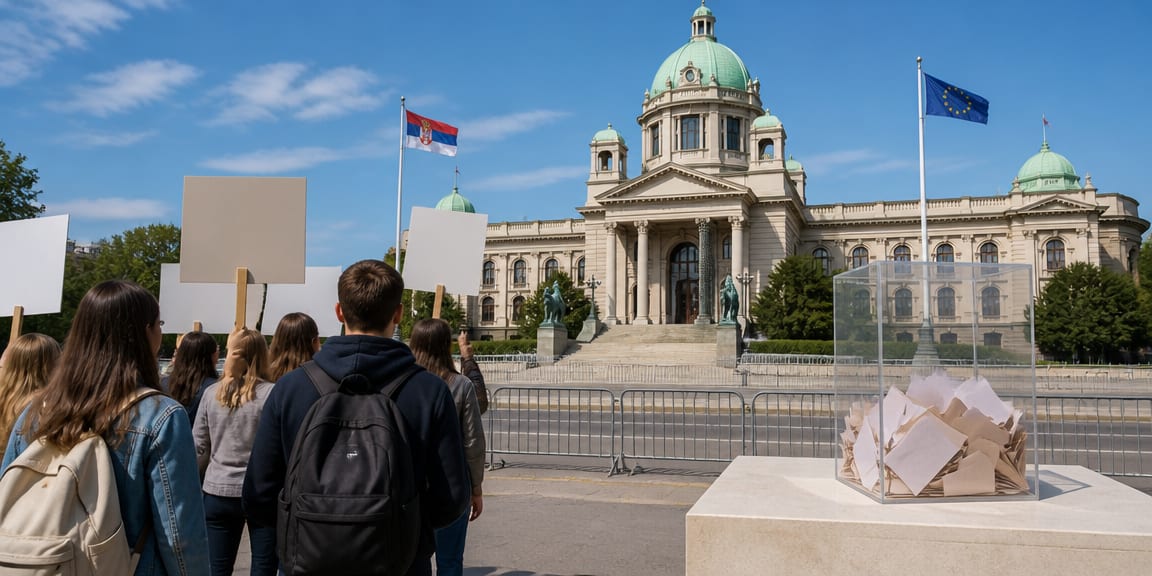
Across outlets, the scale and decisiveness of the result are not in dispute: independent projections placed the Student List above 52 percent with a triple-digit seat advantage, prompting Aleksandar Vučić to concede before final tallies were released. Multiple sources trace the opposition’s momentum to nearly two years of student-led, anti-corruption mobilization after the 2024 Novi Sad station canopy collapse that killed 16 people, a through-line cited in regional, European, and international reporting. Images of large, celebratory crowds in Belgrade featured prominently in European coverage.
The focal points of divergence are what this win means and how prepared the newcomers are to govern. Some outlets emphasize policy uncertainty and leadership fluidity inside the movement, including questions about who will become prime minister and whether a program coalesces beyond anti-corruption demands. Others elevate geopolitical stakes: European outlets link the outcome to a potential reset with the EU, while several sources stress continuity in Serbia’s longstanding ties with Russia. A regional investigative outlet frames the concession as compelled by the margin of defeat despite past allegations of manipulation, whereas pro-Russian media stress post-vote tensions, including an attack on a pro-Vučić broadcaster.
What Happened
Aleksandar Vučić called snap parliamentary elections for October after resigning the presidency in September and seeking the premiership. Voting day saw long lines amid an unusually competitive contest following almost two years of student-led anti-corruption protests sparked by the 2024 Novi Sad railway station canopy collapse that killed 16 people. With 250 seats at stake and 18 electoral lists competing, early counts and parallel projections by Ipsos and the NGO CeSID showed the “Student List – Students Win” with roughly 52–52.7 percent of the vote against 39–39.3 percent for Vučić’s bloc. Vučić conceded on election night, citing a stratified sample indicating about 135–140 seats for the Student List and around 103–105 for his coalition. European outlets reported massive street celebrations in Belgrade following the result, which ends 14 years of Serbian Progressive Party dominance.
Why It Matters
The transition reopens Serbia’s strategic calculus between EU integration and ties with Russia. European coverage links the upset to hopes for a reset with Brussels, while Russian media highlight statements from a Student List representative opposing sanctions on Moscow, underscoring unresolved alignment questions. The outcome also tests whether a protest-organizing coalition can translate mass mobilization into governing capacity, with implications for anti-corruption agendas and institutional accountability in the Western Balkans. Regionally focused analysis argues the margin forced an uncontested concession in a system previously criticized for electoral manipulation, signaling potential space for fairer competition. For external partners, the shift interacts with existing dialogues and partnerships—U.S. outlets referenced ongoing strategic cooperation under Vučić—raising practical questions about continuity across economic, security, and rule-of-law files as a new majority defines its program and leadership.
Diverging Narratives
Several outlets frame the result as a geopolitical inflection point. European and Brazilian coverage suggest a potential opening toward the EU or a setback for Moscow, while Russian media relay a Student List representative’s assurance that Serbia will not impose sanctions on Russia and will preserve longstanding ties. This creates a clear tension between expectations of a European “reset” and declarations of continuity with Moscow. Another split concerns programmatic clarity. Reporting from France and the U.S. notes that the student-led movement’s policies and leadership lineup remain undefined, with criticism from senior figures in the former ruling party portraying it as anti-establishment without a coherent platform. An Italian outlet names possible leaders and suggests an ex-central banker is favored for premier, highlighting internal choices still to be formalized. Coverage also differs on the election’s integrity and aftermath: a regional investigative report argues that the margin of victory “forced” a concession in a context of past manipulation allegations, while Russian state media concentrate on an attack on a pro-Vučić broadcaster during post-election celebrations, elevating concerns about media freedom and public order that do not feature prominently elsewhere.
What Happens Next
The first decision point is government formation and leadership selection. Italian reporting points to competing names within the Student List, with a cardiology professor seen as leading the list but an ex-central banker described as the favorite for prime minister, so announcements on the premiership and cabinet will signal governing priorities and internal cohesion. A second pivot concerns foreign policy positioning: European outlets highlight scope for a reset with the EU, while a Student List representative told Russian media there would be no sanctions on Moscow; official statements on sanctions, accession rhetoric, and initial diplomatic outreach will clarify the balance. Third, program definition will be watched closely given reports of policy vagueness; the content and sequencing of early legislative initiatives—especially on anti-corruption—will indicate whether protest demands become institutional reform. Finally, post-election security and media issues bear monitoring after Russian outlets reported an attack on a pro-Vučić TV station; how the new majority responds will speak to rule-of-law priorities.