
U.S. warns Gulf partners to prepare for short, intense post‑election strikes on Iran, multiple outlets report
Narrative Snapshot
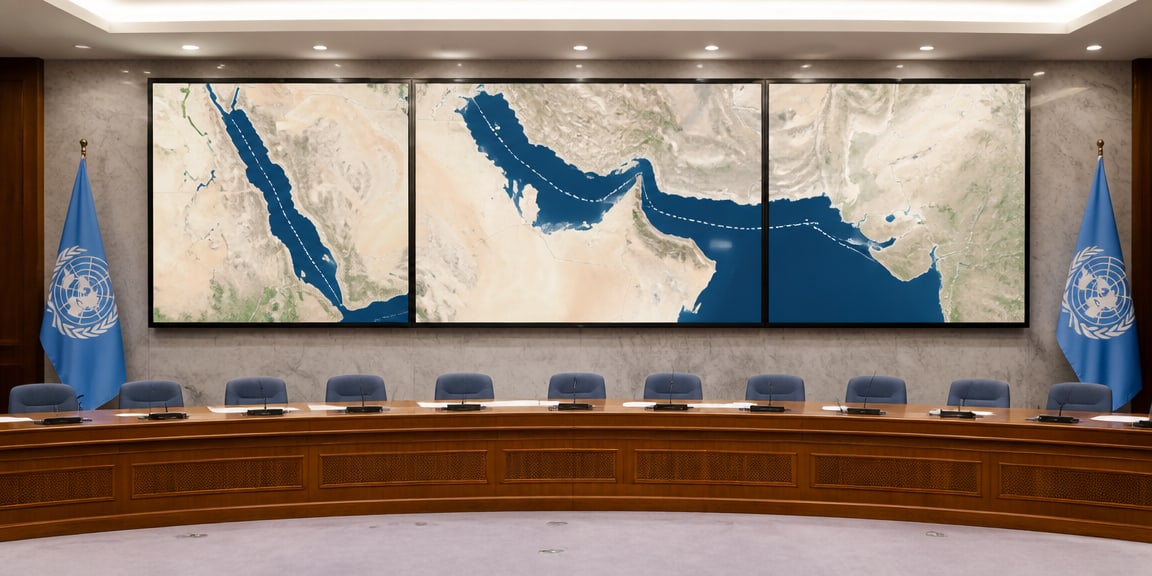
Across outlets, the core throughline is advance warning to Gulf governments that U.S. military action could follow immediately after the 3 November midterms, framed as “short” and “intense.” Where they differ is in scope, objectives, and the likely duration beyond the initial blows. Several reports emphasize operational preparations—munitions restocking, additional air defenses, force dispersion, and Israeli participation—while others foreground the risks of retaliation by Iran and allied groups that could extend fighting well beyond an initial phase. The stakes most consistently highlighted are energy security and maritime transit through the Strait of Hormuz and Bab al‑Mandab, with multiple accounts tying heightened military signaling to recent disruptions at sea and to Houthi leverage over Red Sea shipping.
State-aligned and regional outlets expand the frame in different directions. Chinese and Russian reporting leans into operational readiness and force movements, citing timelines of hours to days for execution. Middle East–focused coverage devotes greater weight to escalatory ladders—embassy contingency planning, Israeli sorties, and Tehran’s signaling of asymmetric targets such as regional data centers and airports—presented as credible pathways to a wider confrontation. A parallel diplomatic track is visible in coverage of Iranian talks with regional delegations and meetings in Tehran among partners from the so‑called Mecca Defense Alliance, but these are described more as risk‑management efforts than as a substitute for deterrence postures.
What Happened
Multiple outlets report that Washington has warned several Gulf Arab states to prepare for a short, intensive campaign against Iran after the 3 November U.S. midterm elections, with Israel poised to participate. Reports attribute the warnings to U.S. diplomatic and military channels and say preparations include restocking munitions, readying additional aircraft and warships, deploying an extra Patriot air‑defense battery, and moving U.S. personnel from vulnerable bases. Parallel accounts say U.S. officials have urged allies to brace for Iranian retaliation and that a new round of action could last days. Additional context includes U.S. embassy staffing reductions in several Middle Eastern posts, CNN‑cited claims (via Chinese state media) that the Pentagon could execute within 96 hours of an order, and coverage that U.S.–Israeli planning envisions targets across Iran’s energy infrastructure, nuclear facilities, and missile sites. Iran‑linked maritime incidents in the Strait of Hormuz and Israeli air activity near Iran’s borders were reported in the same period.
Why It Matters
The reported planning sits at the intersection of hard security and global economic risk. Several accounts tie prospective strikes and Iranian retaliation to chokepoints—Hormuz and Bab al‑Mandab—where recent IRGC‑reported tanker incidents and Houthi advances threaten energy flows and commercial shipping. Regional allies have preemptively adjusted posture through embassy drawdowns and contingency coordination, reflecting concerns that proxy reprisals could regionalize any new U.S.–Israeli action. At the same time, sanctions enforcement and discussions on facilitating nuclear inspections indicate a dual‑track approach that mixes coercion with pathways back to talks. Meetings in Tehran with partners from Saudi Arabia, Pakistan, and Turkey underscore that regional actors are seeking de‑escalatory mechanisms even as they brace for renewed strikes. For multilateral bodies and major energy importers, the policy problem is continuity of trade under heightened threat; for governments, it is calibrating missile defense, basing exposure, and maritime security without foreclosing diplomatic off‑ramps.
Diverging Narratives
Outlets converge on the warning itself but diverge on aims and trajectory. Some frame the contemplated strikes as coercive bargaining to push Tehran back to negotiations, while others pose the question of whether a “short and intense” campaign could achieve broader political change in Iran. Several reports emphasize Washington’s and Israel’s readiness and new target sets that go beyond periodic interdictions; others stress the likelihood that Iranian and proxy retaliation would prolong fighting, potentially outlasting any initial U.S. timetable. There is also variation in how the conflict is characterized: some accounts describe a pause and prospective resumption of U.S.–Israeli attacks, while Chinese state media presents it as an ongoing war with phases of restraint and renewed action. On the maritime front, Iranian statements about mine strikes and traffic halts in Hormuz are carried by some outlets, while others focus on the economic implications rather than adjudicating attribution. Finally, while one thread highlights high‑level U.S.–Israeli consultations and defense visits, another centers regional diplomacy in Tehran aimed at reopening Hormuz and easing sanctions in parallel.
What Happens Next
Decision points cluster around timing, scope, and escalation management. The first is whether Washington issues an order after the midterms; reports cite readiness within days, with Israel preparing to join. If ordered, the breadth of targets—limited military infrastructure versus energy and nuclear‑related sites identified in planning reports—will signal intent and risk tolerance. Regional indicators include additional U.S. air‑defense deployments, force dispersal from exposed bases, and new embassy security directives referenced across outlets. On the Iranian side, watch for maritime posture in Hormuz, messaging on retaliatory target sets, and mobilization of proxy networks flagged in coverage. A parallel track is diplomatic: reported talks in Tehran on reopening Hormuz and facilitating inspections, and the Mecca Alliance consultations, will show whether risk‑reduction channels gain traction alongside sanctions enforcement. Energy markets will reflect these choices quickly; sustained shipping disruptions or attacks would validate warnings about a fight extending beyond an initial strike window.