
Turkey opens COP31 pushing electrification as finance, fossil fuels and reform debates shape expectations
Narrative Snapshot
Coverage converges on Turkey’s bid to center “electrification” as an organizing theme, paired with a domestic pledge to move away from coal. France24 spotlights Ankara’s plan to push an electrification drive to meet energy demand, while an AP report in the Toronto Star details the Turkish energy minister’s outline to wean the country off coal and other fossil fuels. Folha de S.Paulo adds process detail: Turkey is chairing in partnership with Australia, which is expected to lead diplomatic negotiations, and organizers are preparing for about 60,000 participants.
Where outlets diverge is in framing feasibility and political bandwidth. The Bangkok Post and Deutsche Welle emphasize mounting tensions over geopolitics, finance and fossil fuels that temper expectations of major advances, contrasting with the UN secretary-general’s insistent call for urgency reported by the Toronto Star. Le Monde and Folha both capture growing fatigue with the COP format and active calls for reform, while another Le Monde piece anchors that critique in Turkey’s own coal-heavy Afsin-Elbistan complex, underscoring credibility pressures on the host.
Several sources extend the agenda beyond headline targets to the mechanics of transition. The South China Morning Post’s reporting from rural Malaysia raises the unresolved question of who finances maintenance and reliability for new solar systems. The Daily Nation surfaces nuclear energy lessons from 60 countries as part of a longer-term power mix debate. The Guardian points to the diplomatic implications of a notable absence by the United States, and Telesur situates COP31 against the prior COP30 effort to publish roadmaps for a managed fossil exit and forest protection, intended to move from declarations to implementation.
What Happened
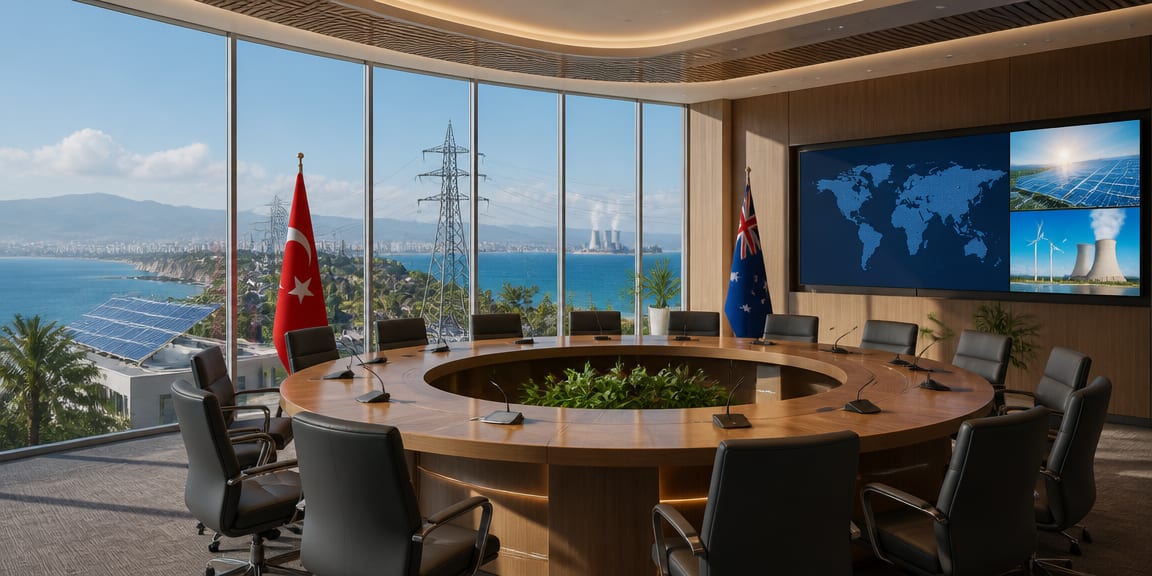
Delegates from nearly 200 countries are gathering in Antalya, Turkey, for COP31 starting Monday, with Turkey hosting and, in an unprecedented format, chairing in partnership with Australia, which is expected to lead the negotiations, according to Folha de S.Paulo. France24 reports Turkey will push an “electrification” drive to meet global energy demand amid a cost-of-living crisis linked to the war in the Middle East. The Toronto Star carries an AP report that Turkey’s energy minister outlined plans to reduce reliance on coal and other fossil fuels ahead of the summit. The Toronto Star also reports UN Secretary-General António Guterres warning leaders this is a “moment of truth.” The Bangkok Post and Deutsche Welle both flag tensions over geopolitics, finance and fossil fuels. The Guardian notes the United States will be absent. Le Monde highlights scrutiny of Turkey’s domestic coal sector at Afsin-Elbistan. Telesur recalls COP30 roadmaps on energy transition and forests.
Why It Matters
The agenda described by multiple outlets tests whether the COP process can reframe decarbonization around large-scale electrification while grappling with distributional finance and energy security. France24 and Folha de S.Paulo signal a potential push to anchor negotiations in electrification, intersecting with Bangkok Post and Deutsche Welle reporting on finance and fossil-fuel disputes that have long constrained progress. Le Monde and Folha register intensified calls to reform COP procedures, raising questions about institutional capacity after decades of incrementalism. The Guardian’s note on U.S. absence suggests a diplomatic gap at a moment when prior efforts, like COP30’s roadmaps for a managed fossil exit and forest protection reported by Telesur, are meant to steer parties from pledges toward implementation. The South China Morning Post’s focus on solar upkeep costs and the Daily Nation’s discussion of nuclear underscore that technology choices and long-term financing structures will shape how any COP31 outcomes translate into durable national plans.
Diverging Narratives
Outlets emphasize competing frames for credibility and delivery. One thread, reported by France24 and the Toronto Star, highlights Turkey’s leadership bid built on electrification and a domestic turn away from coal. Another, in Le Monde’s reporting from Afsin-Elbistan, underscores the host’s legacy coal dependence and local resistance to extending operations, raising questions about the balance between national pledges and on-the-ground realities.
On ambition versus practicality, the Bangkok Post and Deutsche Welle caution that geopolitical tensions, finance gaps, and fossil-fuel disputes may constrain outcomes, even as the UN secretary-general’s “moment of truth” message reported by the Toronto Star presses for urgency. Technology pathways also diverge across coverage: the South China Morning Post focuses on the affordability and maintenance of distributed solar systems after deployment, while the Daily Nation highlights nuclear energy as a long-horizon option informed by international practice. Process questions form a parallel narrative: Le Monde and Folha document calls to evolve the COP format, contrasting with their acknowledgment that the summits remain central to climate diplomacy. The Guardian adds the diplomatic variable of a U.S. absence, affecting expectations for leadership and coalition-building.
What Happens Next
Several decision points emerge from the sources. First is whether negotiators coalesce around electrification as a guiding objective. France24 reports Turkey will promote an electrification drive, and Folha de S.Paulo notes Australia’s role in shepherding talks; analysts should watch for draft text references that elevate electrification in mitigation pathways. Second is the treatment of fossil fuels and finance. The Bangkok Post flags tensions over both, while Telesur points to COP30’s “managed exit” roadmap; indicators include language on fossil phaseout and any linked financing commitments.
Process reform is another locus, with Le Monde and Folha describing calls to evolve the COP system; signals would include mandates for reviews or working groups on summit modalities. Implementation credibility will hinge on whether countries pair pledges with funding for operations and maintenance, a gap highlighted by the South China Morning Post’s solar case. Finally, the Guardian’s reporting on U.S. absence suggests monitoring how other actors fill diplomatic space, while the Toronto Star’s account of Turkey’s coal-to-clean plans makes any concrete national timetables or project decisions announced in Antalya a test of host follow-through.