
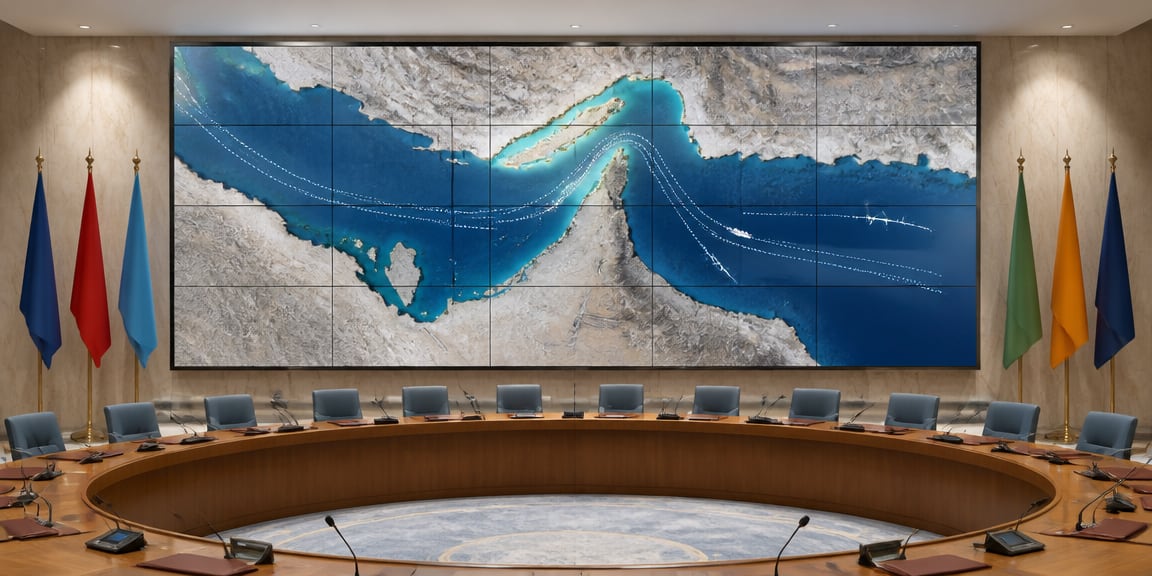
Trump says U.S. carried out ‘minor’ strike on Iranian air defense on Qeshm Island
Narrative Snapshot
Across outlets there is broad alignment that President Donald Trump publicly characterized a fresh U.S. action as a “minor” strike against an Iranian air defense element on Qeshm Island, with multiple reports noting blasts heard in the Suza area. Where accounts diverge is on specificity and corroboration: some describe “two explosions,” others cite “two missiles,” and Iranian military statements add an unverified claim of downing a U.S. drone. The president did not provide timing details, a gap some coverage highlights.
Several sources situate the announcement within an active diplomatic track. Reports note Tehran is reviewing mediator proposals, including ones brokered by Qatar, while Trump simultaneously insists the United States is not at war. This dual messaging — limited military action alongside signals of ongoing talks — threads through regional and international reporting.
A parallel theme is domestic political context. Coverage from East Asia and Israel links the announcement to the fallout from U.S. midterm elections, framing the strike as the first since Republican losses. European and Middle Eastern outlets emphasize Iran’s counternarrative of military resilience and potential air defense procurement, underscoring the stakes in an already disrupted Strait of Hormuz.
What Happened
President Donald Trump said on Friday that the U.S. military conducted new limited strikes targeting an Iranian air defense system on Qeshm Island, calling the action “minor” and saying it “knocked out” what he termed “a little bit of an anti-aircraft device” in “about 15 minutes, maybe five.” Iranian state media reported two explosions in the Suza area of the island, and some accounts said two missiles hit the area. Iran’s army, via state broadcaster IRIB, claimed its air defenses downed a U.S. drone over the island. Trump did not specify when the strike occurred. Outlets noted this was the first U.S. action announced since Republicans’ midterm defeat, coming days after an earlier attack was made public, and amid reports that Tehran is considering mediator proposals, including those brokered by Qatar, to end the conflict.
Sources: The Guardian; The Hindu; South China Morning Post; The Times of Israel; Middle East Eye; TASS; Haaretz (English).
Why It Matters
The reported strike and counterclaims unfold over the Strait of Hormuz, a vital oil transit chokepoint that multiple outlets say has faced disruption since the conflict’s onset. Limited U.S. attacks on air defense assets intersect with Iran’s messaging that its forces are stronger than at the war’s start and with reporting that Tehran is exploring additional air defense options with Russia. That mix could shape future risk calculations for both sides and for commercial shipping.
Diplomatically, several reports that Iran is weighing mediator proposals — including those attributed to Qatar — place military actions alongside a prospective negotiating channel. For decision-makers, the juxtaposition of continued, bounded strikes with an overt “not a war” message reflects an attempt to manage escalation while sustaining leverage. The domestic U.S. electoral backdrop highlighted in regional coverage adds a constraint that allies, energy markets, and international institutions must factor into contingency planning and diplomatic timing.
Sources: The Guardian; Al Jazeera English; ANSA; The Times of Israel; Haaretz (English); The Hindu; South China Morning Post; Middle East Eye.
Diverging Narratives
U.S. messaging stresses scale and intent: Trump repeatedly cast the operation as “minor,” “quick,” and targeted, and insisted the United States is not at war. That framing is echoed by multiple outlets and is paired with references to ongoing diplomatic efforts. Iranian narratives, by contrast, focus on resilience and denial of impact, including claims that its air defenses downed a U.S. drone and that its military is stronger than at the conflict’s outset. These accounts point in different directions on who holds the tactical edge.
Operational details remain uneven. Some reports cite “two explosions” on Qeshm Island, while others say “two missiles” struck, and there is no independent confirmation of the extent of damage beyond Trump’s description. Timing is also opaque; Russian reporting notes the president did not say when the strike occurred. Meanwhile, Israeli and regional outlets add that this is the first strike announced since the Republican midterm setback and mention Tehran’s reported exploration of Russian S-400 systems, extending the narrative beyond a single engagement to procurement and deterrence dynamics.
Sources: The Guardian; Al Jazeera English; Middle East Eye; ANSA; TASS; Haaretz (English); The Times of Israel; South China Morning Post.
What Happens Next
Two decision tracks are in view. On diplomacy, reports that Iran is reviewing mediator proposals, including Qatar-brokered ideas, create a near-term test of whether talks can proceed alongside or in lieu of further limited U.S. strikes. Signals to watch include public acknowledgments from Tehran or Doha, U.S. statements linking military pauses to negotiations, and any formal outlines of a de-escalation framework.
On the military side, the pattern and targets of any subsequent U.S. actions — particularly against air defense sites — will indicate whether Washington sustains a narrow suppression approach or steps back to support diplomacy, as suggested by the “minor” and “not a war” framing. Iranian responses bear monitoring: official confirmation or evidence regarding the claimed drone shootdown, additional assertions of strengthened defenses, and movement on reported discussions for Russian S-400 systems would all shape risk to regional air operations and shipping through the Strait of Hormuz.
Sources: The Hindu; Haaretz (English); The Guardian; Al Jazeera English; Middle East Eye; The Times of Israel.