
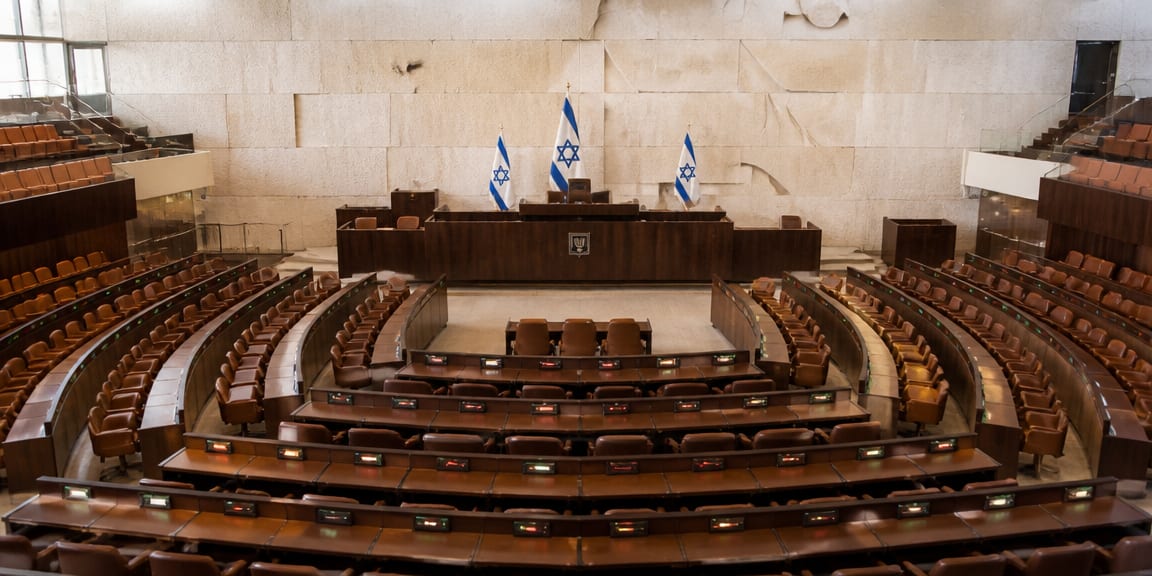
Israel’s Knesset elects Matan Kahana as speaker in 66–52 vote
Narrative Snapshot
Across Israeli, regional, and international outlets, coverage converges on the institutional leverage conferred by the speakership and the political setback it represents for Benjamin Netanyahu. International reporting frames the move as a step toward undoing policies advanced by the outgoing government, stressing that the speaker can set the legislative timetable and that Gadi Eisenkot’s bloc has pledged to roll back contentious measures after securing the gavel. Israeli outlets emphasize procedural specifics that signal how that leverage might be exercised, including the long filibuster mounted by Netanyahu’s camp and Kahana’s pledge that the Knesset will obey court rulings.
Several reports foreground the role of Arab parties in delivering the majority, noting both their tactical importance and the backlash it triggered from Netanyahu’s allies. Italian and Qatari outlets highlight that Arab support proved decisive in the final tally, while the Israeli right castigated the outcome as relying on “terror supporters,” illustrating a contested legitimacy frame around cross-bloc cooperation.
Profiles and biographical context add texture to expectations. Haaretz and La Repubblica underline Kahana’s background as a religious former fighter pilot and ex–religious affairs minister, with a pragmatic line on ending the Gaza war alongside a hard stance on West Bank settlements. That mix, paired with immediate control of the agenda, is presented as the substantive context for how the new majority may prioritize and pace legislative reversals.
What Happened
Matan Kahana, a member of Gadi Eisenkot’s Yashar faction, was elected speaker of Israel’s Knesset by 66 votes to 52, defeating Likud’s Ofir Katz after a six-hour filibuster by Netanyahu’s bloc. Arab parties backed Kahana, a factor several outlets described as decisive. The vote replaces Amir Ohana and hands Eisenkot’s bloc control over parliamentary scheduling as Eisenkot works to form a government; one report notes he has until next month to do so. Kahana said he would be a “speaker for all” and that the Knesset would obey court rulings. Ahead of the vote, he rejected a Religious Zionism demand to exclude deputy speakers from parties that do not define Hamas as a terror group, calling the condition anti-statesmanlike. International outlets report he could begin moving to undo parts of the outgoing government’s agenda as early as Wednesday.
Why It Matters
Control of the Knesset speakership shifts procedural power over the legislative calendar to the anti-Netanyahu bloc, with direct implications for which bills advance and at what speed. Multiple outlets note that Eisenkot’s camp has pledged to roll back some of the outgoing government’s most contentious measures, and the speaker’s office is central to sequencing any such reversals. The New York Times, Middle East Eye, and others underscore that this enables the opposition to press Netanyahu on multiple fronts even before a new cabinet is formed.
Kahana’s public commitment that parliament will follow court rulings, reported by Israeli media, signals an institutional posture that could shape how legislative-judicial frictions are managed. The role of Arab parties in securing the majority, highlighted by regional and European outlets, points to tactical cross-bloc coordination that may recur in agenda-setting decisions. For external stakeholders, these developments are indicators of policy fluidity and the capacity of Israel’s legislature to redirect domestic priorities independent of executive turnover.
Diverging Narratives
Outlets broadly agree the vote is a blow to Netanyahu, but they diverge on emphasis and framing. The Guardian, Japan Times, and Toronto Star cast the election as an inflection point toward reversing the outgoing government’s agenda and doing so quickly, while Israeli outlets lean into procedural detail: the six-hour filibuster, the replacement of Amir Ohana, and Kahana’s assurances about adherence to court decisions. Al Jazeera English, ANSA, and Corriere della Sera foreground Arab parties’ support as pivotal, whereas coverage from Netanyahu’s camp—echoed in the Times of Israel—denounces the outcome as an “eternal disgrace,” arguing the new majority relied on “terror supporters,” a charge tied to the controversy over whether certain parties define Hamas as a terror group.
Personal profile pieces add another layer of contrast. Haaretz highlights Kahana’s pragmatic rhetoric on ending the Gaza war alongside a firm line on settlements, and La Repubblica and Middle East Eye stress his military background and prior ministerial role. Together, these frames reflect differing editorial choices: some prioritize the immediate legislative ramifications; others contextualize the political realignment through biography and coalition mechanics, including the Haredi UTJ’s decision to back Likud’s Katz despite speculation it might abstain.
What Happens Next
Two decision points dominate. First is government formation: Middle East Eye reports Eisenkot has until next month to assemble a cabinet. If he succeeds, the combination of executive authority and control of the speakership would facilitate advancing pledges reported by multiple outlets to undo elements of the outgoing agenda. If he does not, the New York Times notes the opposition still wields the speaker’s procedural tools to pressure the caretaker government.
Second is how Kahana uses the calendar in the near term. Japan Times and Middle East Eye report he is expected to begin initiating rollbacks as soon as Wednesday. Analysts should watch initial scheduling choices, including whether early floor time is allocated to measures flagged by the anti-Netanyahu bloc. Appointments to deputy speakerships will also be revealing after Kahana rejected a demand to exclude members from parties that do not label Hamas a terror group, a point first reported by Haaretz. The Netanyahu bloc’s use of extended filibusters, already deployed once, will indicate its procedural strategy to delay or dilute proposed reversals.