
New York Mayor Zohran Mamdani sets 2032 target to close Rikers Island and shift to four smaller borough jails
Narrative Snapshot
Across outlets there is broad agreement on the core architecture: closing Rikers Island and replacing it with four smaller facilities, coupled with a strategy to reduce the number of people detained. Where they diverge is on framing and feasibility. Some coverage foregrounds the governance and legal context, noting a 2019 council commitment and a missed 2027 legal deadline for closure, while others focus on the administration’s policy levers to cut pretrial detention and speed case processing.
U.S. outlets highlight political and public safety angles around pretrial release. One report pairs the closure plan with inquiries to prosecutors about freeing more inmates held on bail and underscores the constraints of New York’s bail reform statute, contrasting with coverage that emphasizes investments in “evidence-based supports” and procedural reforms to shrink the jail population.
International reporting concentrates on the institutional path ahead and the city’s capacity to deliver. Several pieces stress that council approval is required and situate the announcement against years of delay over siting replacement jails. The plan’s emphasis on smaller, transit-accessible facilities and population reduction is consistent across reports, but the stakes are cast differently: administrative compliance and infrastructure delivery in some outlets, criminal justice reform and detainee rights in others.
What Happened
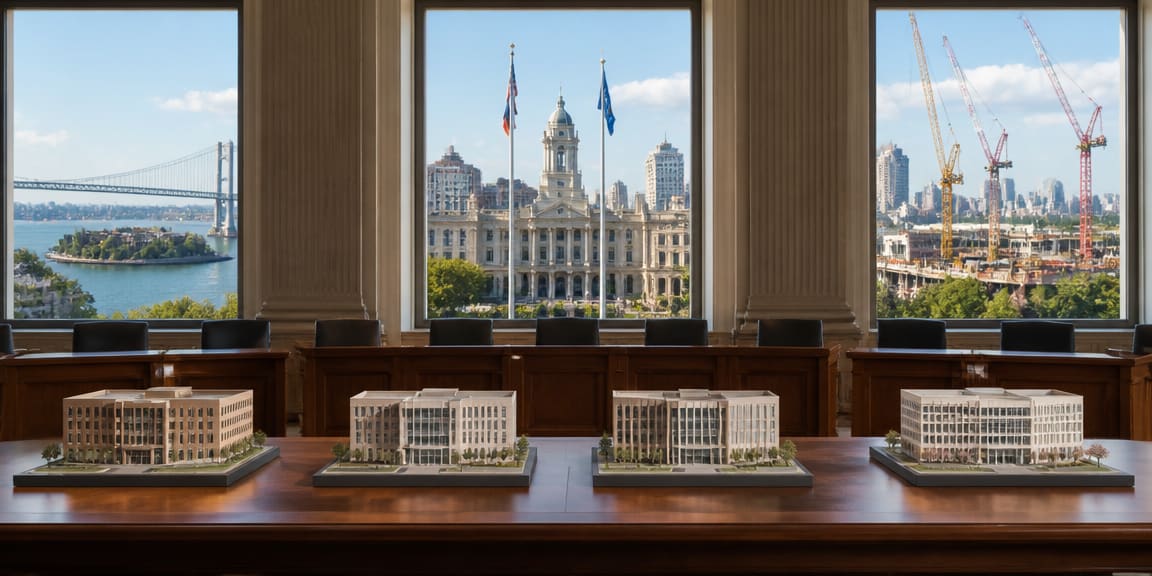
New York City Mayor Zohran Mamdani announced a plan to close the Rikers Island jail complex and end incarceration at the site by the end of 2032. The proposal would relocate the remaining jail population into four smaller, borough-based facilities and is paired with measures to reduce pretrial detention, address case delays that impede speedy-trial rights, and invest $146 million in supports intended to reduce incarceration. The city’s Department of Correction commissioner, Stanley Richards, appeared alongside Mamdani and noted he had once been incarcerated at Rikers. One account said the plan envisions four new jails by 2029, sited nearer public transit. The initiative follows a 2019 city council vote to close Rikers; coverage notes delays over where to place inmates and that council approval is required for the new plan.
Why It Matters
The plan intersects with established policy frameworks on detention, bail, and municipal infrastructure. It attempts to reconcile a previously adopted legal mandate to shutter Rikers with operational realities—new borough facilities, court backlogs, and bail practices that determine pretrial detention. Several outlets note that the city is poised to miss the 2027 legal requirement to close Rikers, placing institutional capacity and compliance at issue. The strategy’s success hinges on interlocking systems: prosecutors’ charging and bail decisions, courts’ ability to move cases faster, and city land-use approvals for new jails.
Internationally, Rikers has been characterized as a notorious facility, so replacing it with smaller, modern jails and fewer detainees aligns with broader criminal justice reform currents. For decision-makers, the plan’s emphasis on reducing jail admissions and length of stay tests whether administrative and judicial levers can sustainably lower detention without legislative change to bail, while also demanding complex capital delivery under continued political scrutiny.
Diverging Narratives
One line of coverage frames the announcement as an overdue recalibration, stressing that the city is likely to overshoot a 2027 closure mandate and must now manage slippage to 2032 while still building four new jails. Another highlights policy instruments—reducing pretrial detention, speeding cases, and funding services—as central to making the population targets attainable. These accounts treat court throughput and alternatives to detention as pivotal to closing Rikers on the revised timetable.
A contrasting emphasis in U.S. reporting links the rollout to public safety debates, citing reporting that the mayor has asked prosecutors about ways to free more inmates held on bail and underscoring that, under New York’s bail reform, only those accused of more serious offenses are eligible for bail detention to begin with. This framing raises questions about the scope for further population reductions within current law. Additional divergence appears around process: some outlets underline the need for municipal council approval and past delays over jail siting, while others dwell on operational specifics such as proximity to public transit and leadership optics at the announcement.
What Happens Next
Key decision points will turn on governance and capacity. First, municipal council action is required; movement toward hearings and votes on facility approvals will signal whether siting obstacles that delayed implementation since the 2019 vote are being resolved. Second, legal compliance pressure persists: reports that the city will miss the 2027 mandate elevate the importance of interim milestones, including whether construction on four borough jails proceeds toward the 2029 timeline cited in one account.
Operationally, the feasibility of reducing the jail population will depend on prosecutorial and judicial practices. Watch for formal guidance from prosecutors on bail recommendations, court initiatives to clear case backlogs, and deployment of the $146 million in supports. Indicators such as pretrial detention rates, case processing times, and facility design and procurement decisions—particularly around transit-accessible locations—will clarify whether the plan’s interdependent policy and infrastructure tracks are aligned with the 2032 target.