
Eisenkot condemns settler arson as ‘Jewish terrorism,’ prompting probes and political backlash
Narrative Snapshot
Across outlets, there is broad agreement that coordinated settler raids torched vehicles and defaced homes in multiple Palestinian villages near Ramallah, and that Israeli authorities opened investigations. International and Israeli media alike highlight Gadi Eisenkot’s use of the term “Jewish terrorism” and his call for a tougher state response, while noting parallel condemnations from other opposition figures. Where coverage diverges is in framing: some emphasize the domestic political stakes inside Israel, while others foreground the human impact and enforcement gaps on the ground.
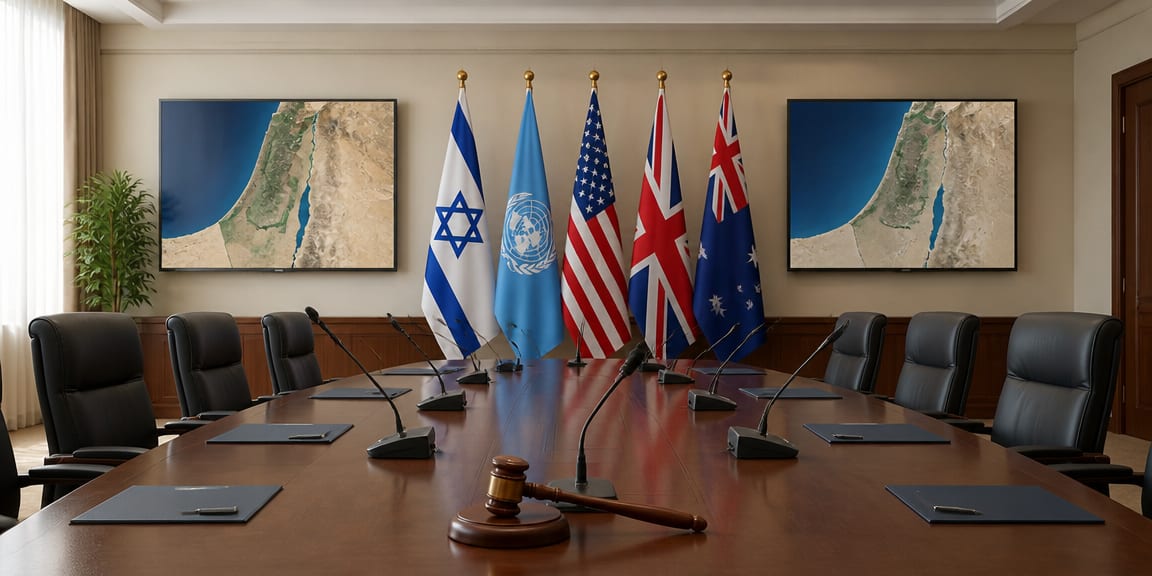
European and U.S. outlets situate the incidents within a longer arc of rising settler violence documented by the UN and NGOs, and in the context of international censure and potential legislative consequences. France24 links the attacks to recent UK and Australian sanctions on entities tied to settlement activity, and Middle East Eye reports that U.S. House Democratic leader Hakeem Jeffries intends to advance legislation addressing settler violence. Israeli press and English-language regional coverage also tie the violence to incitement debates at home, with Haaretz citing attacks on Arab lawmakers’ legitimacy and Lapid’s warning about anti-Arab rhetoric, while Al Jazeera and Middle East Eye connect current discourse to risks reminiscent of the Rabin era.
On facts-in-dispute, accounts vary on the number of localities and vehicles affected, and on specific incidents such as a fatal shooting near Jericho, where the army’s preliminary probe and Palestinian residents’ accounts diverge. Several reports underscore law enforcement action launched after the arson, yet Al Jazeera’s “impunity” frame, CBC’s UN-based trend data, and Physicians for Human Rights’ findings on impeded medical access speak to contested state capacity and political will to curb violence.
What Happened
Overnight between Saturday and Sunday, Israeli settlers carried out arson attacks across several Palestinian villages near Ramallah, including Deir al-Sudan, Deir Abu Mashal, and Kafr Malik; coverage also referenced at least four affected communities, with vehicles set ablaze and racist graffiti sprayed on homes. Israeli police said they opened investigations with forensic teams and deployed forces in the area. Gadi Eisenkot, the Yashar party leader who was tasked on 8 November with forming Israel’s next government, condemned the incidents as “Jewish terrorism” and urged tougher measures, including administrative detentions and Shin Bet operations against violent settlers. Opposition leader Yair Lapid and former minister Gideon Sa’ar issued parallel condemnations, while multiple outlets described a wider surge in settler violence during the olive harvest, amid record UN-documented incidents. International context included recent UK and Australian sanctions related to settlement activity and reporting that U.S. House Democratic leader Hakeem Jeffries plans legislation targeting settler violence.
Why It Matters
The episode sharpens fault lines over state responsibility and political incitement at a moment of coalition uncertainty in Israel. Eisenkot’s rhetoric and prescriptions for security action against Jewish extremists mark a hardening stance from a presumptive prime minister-designate, while Haaretz reports parallel efforts by Netanyahu’s bloc to delegitimize cooperation with Arab lawmakers and push security escalation elsewhere. Domestically, Physicians for Human Rights Israel and Israeli media point to compounded risks from checkpoints and settler violence impeding ambulances, underscoring governance challenges in the West Bank. Internationally, France24 notes allied sanctions on settlement-linked entities, CBC cites UN trend data showing unprecedented harvest-season attacks, and Middle East Eye reports Jeffries’ intent to move House legislation on settler violence. Together these point to growing costs in foreign relations and potential Congressional and allied policy moves that could touch arms, targeted sanctions, or oversight—areas policymakers and multilateral bodies will weigh against Israel’s commitments and occupational practices.
Diverging Narratives
Causality and accountability are framed differently across sources. Eisenkot, echoed by Lapid, attributes responsibility to far-right ministers Bezalel Smotrich and Itamar Ben Gvir for fueling violence; RT similarly links the attacks to politicians allied with Netanyahu. Government-side rebuttals are not reported in these pieces, but Haaretz and Al Jazeera foreground a broader pattern of anti-Arab incitement that critics say normalizes or enables violence. On the scope of damage, numbers vary: Middle East Eye cites three villages and 12 vehicles torched; the Guardian references about a dozen vehicles and several homes; France24 mentions around eight vehicles and four villages; RT lists four communities including Deir Ballut. There are also contested factual terrains: in Jericho, the Times of Israel reports an IDF probe suggesting gunfire was aimed at stone-throwers, while Palestinian residents contend violence began when a settler fatally shot a woman, as detailed by Middle East Eye. Finally, while police investigations are noted by multiple outlets, Al Jazeera’s “impunity” framing and CBC’s UN-based surge data contrast with official investigative steps, underscoring disagreement over enforcement efficacy rather than over whether arrests or probes were initiated.
What Happens Next
Three decision points emerge. First, Israeli law enforcement posture: Eisenkot advocates administrative detention and Shin Bet operations against Jewish extremists, while police have opened inquiries. Analysts should watch for arrests, administrative orders, or prosecutorial steps that indicate whether investigations translate into deterrent outcomes. Second, coalition formation: Eisenkot has the mandate to form a government as negotiations with Likud and others continue; Haaretz reports efforts by Netanyahu’s bloc to delegitimize Arab party cooperation. Signals on coalition composition will shape authority and bandwidth for curbing settler violence and addressing incitement. Third, external levers: France24 highlights UK/Australian sanctions; Middle East Eye reports Jeffries’ plan to advance a House bill tackling settler violence. Tracking whether such measures progress—and whether additional allied actions materialize—will indicate international tolerance, conditionality on security assistance, and potential expansion of targeted sanctions related to settlement activity.