
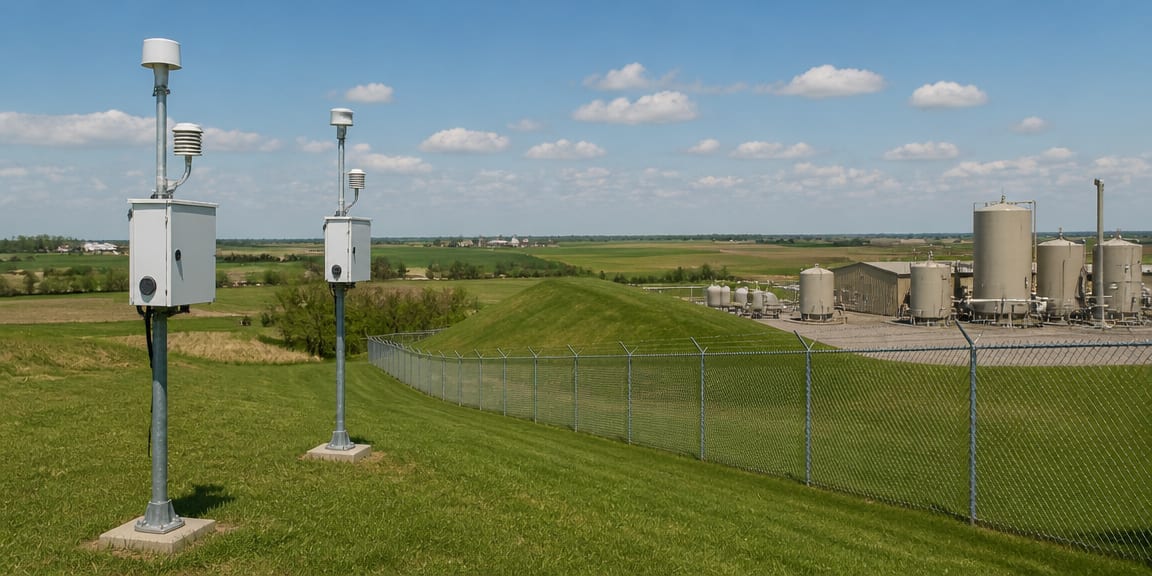
US Army detonates unstable lead azide stockpile at Iowa ammunition plant
Narrative Snapshot
The coverage broadly accepts the Army’s account that the deteriorating explosive presented an immediate disposal problem. Differences emerge principally over how to assess the operation’s outcome. BBC News and The Hindu foreground official assessments of success and reassuring initial monitoring results. Deutsche Welle emphasizes residents’ confusion over changing guidance, while Fox News places official assurances alongside continuing federal instructions to avoid exposure. These are different measures of success: completing the detonation, limiting measured emissions and establishing when surrounding communities can safely resume normal activity.
Those emphases do not form a simple geographical divide. Qatar-based Al Jazeera’s two reports move from legal opposition and health concerns to the Army’s declaration of success, while retaining expert warnings about potentially undetected toxins. Canada’s CBC foregrounds the feared plume and the danger of an uncontrolled explosion; the Toronto Star instead adopts an explanatory approach focused on the chemical itself. Brazil’s Folha de S.Paulo offers a brief account of the detonation, whereas China’s CGTN centers residents sheltering away from the site.
The most consequential distinction is between reported precautions, initial measurements and demonstrated contamination. The supplied coverage documents the first two but does not establish the extent, if any, of environmental deposition or residents’ exposure.
What Happened
The Army detonated the stockpile at the Iowa Army Ammunition Plant in Middletown on November 25. Folha reported two explosions around noon. RT described 68 barrels, stored since 2009, containing nearly 10,000 pounds, or 4.5 metric tons, of lead azide. Officials said deterioration made transport or chemical neutralization too dangerous; CBC reported that cooling temperatures increased the risk of an uncontrolled explosion.
According to France24, the operation was postponed three times before a federal appeals court found that the Environmental Protection Agency had adequately incorporated safeguards to minimize lead-dust dispersal. The South China Morning Post reported evacuation advice and smoke rising from the site. Afterward, the Army and EPA reported zero airborne-lead readings in the surrounding region immediately following the blast, according to The Hindu.
Why It Matters
The episode tests the relationship between emergency military disposal, environmental oversight and civilian protection. The Army’s stated inability to move or neutralize the material narrowed the available choices, while the court proceedings examined whether safeguards adequately addressed the consequences of the selected method. Judicial authorization and operational completion therefore answer different questions from subsequent monitoring of public exposure.
For decision-makers, the institutional issue is how those responsibilities connect. The Army conducted the operation, the EPA assessed environmental conditions, and FEMA communicated protective instructions. Fox News reported that FEMA continued to advise sheltering within 20 miles even as an administration official praised the operation’s mitigation measures. Alongside Deutsche Welle’s account of changing guidance, that juxtaposition makes consistent public communication a substantive part of the response, not merely an explanation issued afterward.
Diverging Narratives
Official success claims receive different qualifications across the reports. The BBC pairs the Army’s “huge success” assessment with promising lead readings “so far.” The Hindu supplies the more specific claim of zero airborne lead immediately after the explosion. Neither formulation, as provided, establishes conditions beyond that initial monitoring period.
Fox News complicates the reassuring account by reporting both an administration official’s claim of maximum mitigation and FEMA’s continuing shelter advice. Al Jazeera’s follow-up similarly juxtaposes the Army’s praise with expert warnings about potentially hidden toxins. Those warnings identify uncertainty; they are not evidence that contamination occurred.
Other accounts give greater prominence to the operation’s contested legitimacy. France24 stresses community backlash but also reports the appeals court’s finding on safeguards. RT foregrounds toxic-fallout fears while acknowledging officials’ assessment that leaving the stockpile untouched risked an uncontrolled explosion. Deutsche Welle focuses on where lead dust might travel and whether residents understood the instructions. Across these accounts, concern and authorization coexist rather than resolve one another.
What Happens Next
The decision-relevant indicators are the scope of subsequent monitoring and the official instructions tied to it. The EPA’s stated commitment, reported by Fox News, was to remain on site as long as necessary to ensure community safety. Whether further readings sustain the initial findings will determine how much evidentiary support officials can provide for their success claims.
FEMA’s instruction to shelter until an official all-clear makes the lifting or continuation of protective guidance another concrete signal. That decision needs to be read alongside the measurements supporting it, rather than treated as interchangeable with the Army’s assessment of the blast. For residents already reporting confusion, the immediate test is whether agencies explain clearly what has been measured, what remains under assessment and which precautions still apply.