
UK contacts reservists as reports describe stronger aircraft protection against drones
Narrative Snapshot
The coverage broadly agrees on the scale of the reservist outreach but describes its purpose with different degrees of urgency. TASS emphasizes invitations to volunteer for exercises, while Brazil’s Folha de S.Paulo foregrounds readiness and deterrence. RT’s headline says reservists have been told to “prepare for war,” although its account describes requests for updated personal and professional information and invitations to training. These distinctions matter because administrative preparation, voluntary participation and compulsory mobilization are not equivalent measures.
The Italian reports also combine precautionary language with more urgent formulations. Corriere della Sera foregrounds a “systemic threat” and ministerial concern about Europe. La Repubblica emphasizes preparation for a possible war and the need to prepare for the worst. ANSA pairs readiness for war with the minister’s description of a necessary precaution. The variation therefore runs within national coverage as well as across countries.
On aircraft protection, the principal distinction is between reporting defensive measures and establishing the threat behind them. Middle East Eye preserves the Ministry of Defence’s refusal to confirm the operational reports. Al Jazeera English’s supplied extract presents expert approval conditionally, describing sheltering aircraft as logical if intelligence indicates a likely drone threat. Fox News brings aircraft protection and reservist outreach together within a broader account of threats attributed to Russia.
What Happened
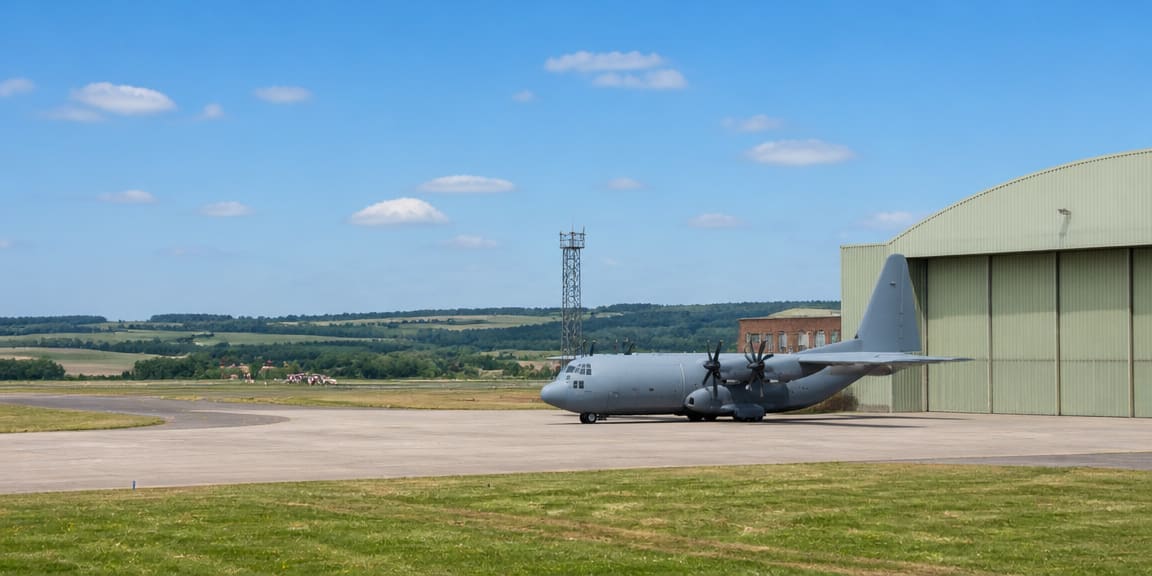
Reports published on November 25 said the RAF was moving aircraft into hangars and hardened shelters overnight and planning anti-drone netting for aircraft left exposed. Middle East Eye attributed those details to The Times and Sky News. The Ministry of Defence did not confirm them, but said it was adapting to potential threats and investing an additional £470 million in military-site security, including physical protection, surveillance and counter-drone capabilities.
November 26 coverage described outreach to about 100,000 former service members or reservists. Fox News and RT reported requests to update contact details and skills; RT also mentioned employment information and invitations to training, including NATO’s Steadfast Defender exercise scheduled for early 2027. Defence Secretary Wes Streeting characterized the effort as precautionary.
Why It Matters
The measures concern two distinct aspects of military preparedness: protecting equipment already in service and maintaining usable information about personnel who might be needed in an emergency. The reported invitation to a NATO exercise also connects national reserve preparation to alliance training, without establishing that a mobilization decision has been made.
Fox News adds a European security context through an International Institute for Strategic Studies warning about suspected Russian-directed sabotage. It reports a 16 percent increase in incidents in the year through September 2026 and researchers’ concern that a mass-casualty attack could generate demands for retaliation and disagreements among European governments. For policymakers, that warning links protective capacity to a separate challenge: sustaining a coordinated response if suspected sabotage produces more severe consequences.
Diverging Narratives
The strongest framing difference concerns what contacting reservists signifies. TASS describes volunteering for exercises, while RT presents a wartime-mobilization readiness campaign. Yet RT’s own account says Streeting acknowledged that Britain was not facing imminent war. Fox News quotes his instruction to be “alert, not alarmed.” The supplied accounts support heightened preparation, not a finding that compulsory call-up has begun.
Threat attribution also requires care. Fox News explicitly organizes its account around Russia, and Folha’s headline invokes fears of Russian aggression. Middle East Eye notes British warnings about both Russia and Iran but does not identify an actor behind a specific drone threat to RAF aircraft. None of the supplied material establishes such an operation.
The evidence is uneven. Several sources provide only headlines or brief extracts, while the Fox News and RT texts are truncated. Al Jazeera’s conditional expert assessment is not confirmation that specific intelligence exists, and the ministry’s general security statement does not independently verify the reported aircraft movements.
What Happens Next
The clearest indicators concern implementation rather than rhetoric. For aircraft security, official confirmation of sheltering arrangements or installation of anti-drone netting would clarify which reported measures have become operational practice. The announced £470 million investment provides a stated commitment, but the extracts offer no delivery timetable.
For reserves, the relevant distinction is whether outreach remains information-gathering or produces participation in the reported specialist training and exercises. RT’s reference to Steadfast Defender in early 2027 supplies a concrete activity to monitor, although no participation totals are given. Analysts should distinguish those voluntary preparations from any subsequent change in mobilization status. Streeting’s precautionary explanation and acknowledgment that war is not imminent remain the reported official baseline; the sources announce no compulsory call-up.