
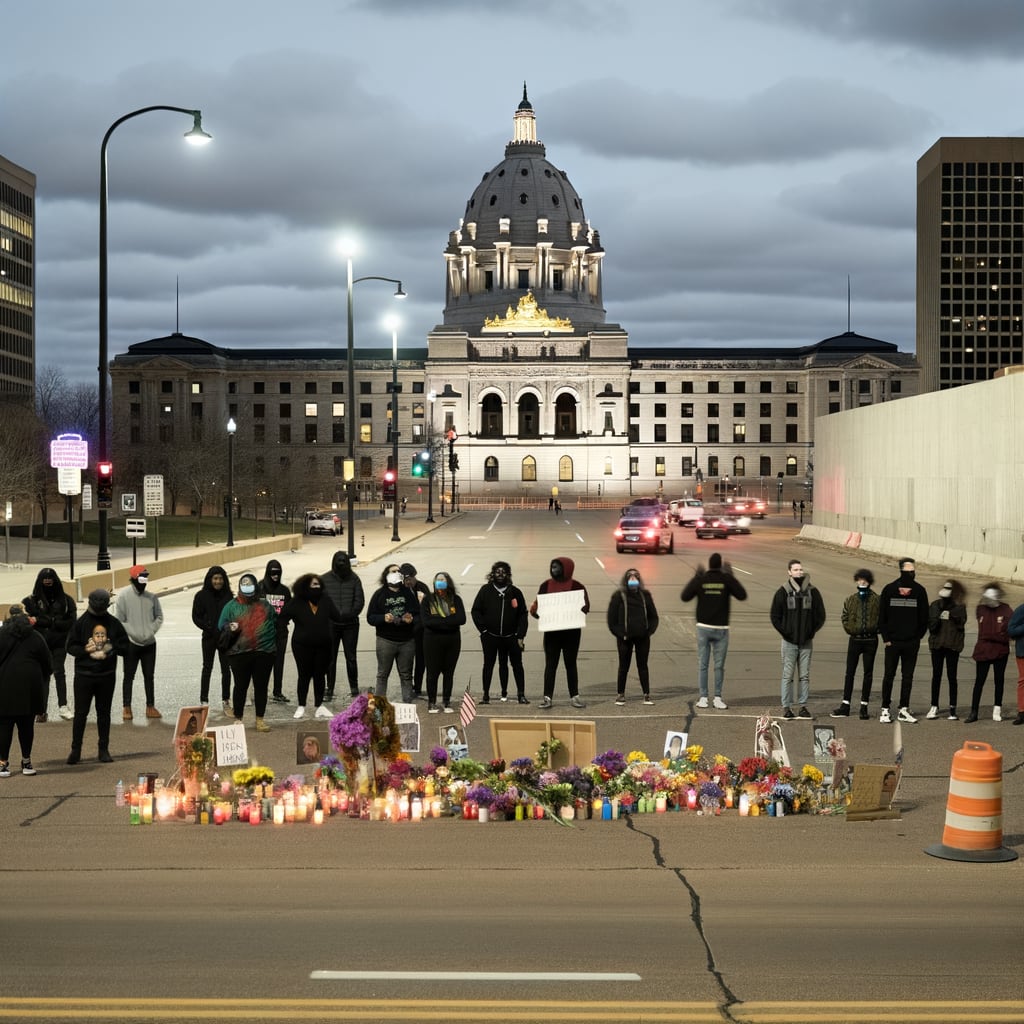
Minneapolis Protests Intensify Following ICE-Involved Shooting
Protests intensified in Minneapolis following the fatal shooting of activist Renee Nicole Good by a U.S. Immigration and Customs Enforcement (ICE) officer, leading to confrontations with federal agents. The Department of Homeland Security (DHS) has responded by deploying additional federal agents to the city.
Background and Context
Minneapolis has been a center of protest against ICE enforcement in recent weeks. The situation escalated after Good, a 37-year-old mother of three and member of ICE Watch,
was shot and killed by an ICE agent. According to DHS, Good had allegedly positioned her vehicle to block the roadway, interfering with ICE operations. This incident took place against the backdrop of an intensified crackdown on illegal immigration by federal authorities.
The Unrest and Federal Response
Protests erupted following the shooting, with confrontations between demonstrators and federal agents becoming increasingly violent. Protesters were seen surging and confronting federal agents during immigration enforcement operations, with some incidents leading to the deployment of tear gas and rubber bullets. In one incident, a woman was pulled from her car after allegedly blocking an ICE operation.
In response, DHS Secretary Kristi Noem announced that hundreds more federal agents would be deployed to Minneapolis, signaling an escalation in the federal response.
The Political Divide
The situation has fueled a politically charged debate, with local leaders accusing federal agents of overstepping boundaries, and federal officials claiming that local resistance is inciting chaos.
Minneapolis Mayor Jacob Frey has been particularly vocal in his criticism of federal authorities, accusing them of hiding the facts
over Good's shooting and calling for ICE to leave the city. His comments have drawn criticism from Republican leaders and ICE officials.
On the other hand, Vice President JD Vance and ICE officials have accused local leaders of creating dangerous conditions by opposing federal law enforcement. President Donald Trump also weighed in, vowing a day of reckoning and retribution
in Minnesota as more ICE agents flooded the city.
Current Situation
As tensions continue to rise, Minneapolis Police Chief Brian O’Hara warned that escalating rhetoric could lead to yet another tragedy,
potentially sparking unrest similar to that following George Floyd’s death in 2020. Meanwhile, the Department of Justice is sending additional prosecutors to Minnesota to handle fraud and immigration cases.
The situation in Minneapolis provides a stark example of the political and social tensions surrounding immigration enforcement in the United States, bringing into sharp focus the competing narratives in the debate over immigration policy and law enforcement.