
US Senate approves Lindsey Graham–named Russia and Iran sanctions bill, advancing tariff authority aimed at buyers of Russian oil
Narrative Snapshot
Across U.S. outlets, the bill is framed as both policy and eulogy. NBC News and the Toronto Star’s AP copy emphasize the overwhelming bipartisan vote and the decision to name the legislation after the late Sen. Lindsey Graham, casting it as the culmination of a prolonged, fitful push. Fox News underscores President Donald Trump’s backing and highlights Ukrainian President Volodymyr Zelenskyy’s in-person lobbying on Capitol Hill after Graham’s memorial, sharpening the link to battlefield outcomes in Ukraine. Kyiv Independent situates the action against a longer arc: the measure had been stalled since April 2025 amid Trump’s evolving approach to the war.
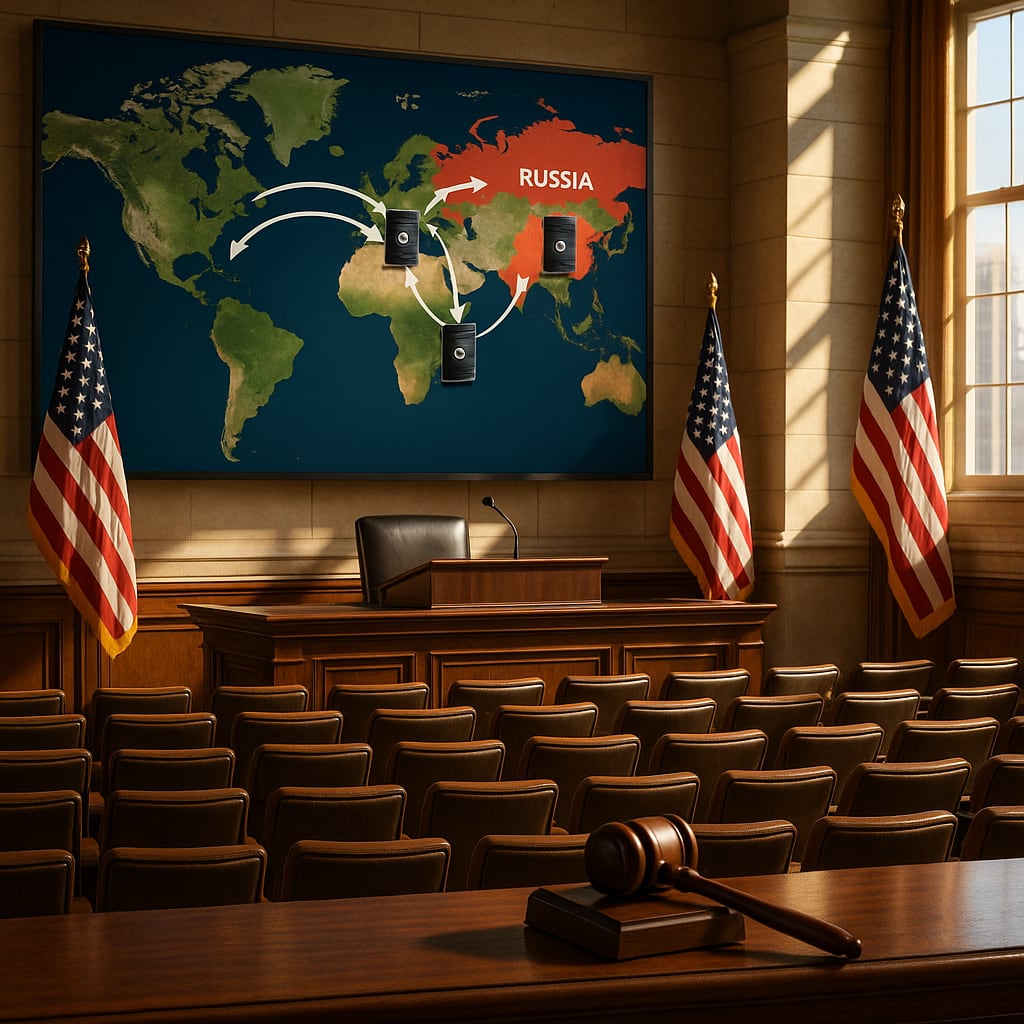
Foreign coverage stresses extraterritorial bite. Al Jazeera and The Hindu foreground that the bill empowers 100% tariffs on countries buying Russian oil, explicitly flagging exposure for India and China and noting India is among five countries in scope. RFE/RL centers the measure’s design on curbing Moscow’s energy revenues, while the Times of Israel draws attention to expanded Iran sanctions sought by the White House and flags that authorization for sweeping tariff powers could become a point of contention in the House.
Russian state media concentrates on political leverage and prospects. TASS reports Senate passage and the referral to the House, then separately cites U.S. congressional reporter Andrew Desiderio calling House approval “iffy.” RT highlights that the bill would hand Trump authority to impose 100% tariffs on major buyers of Russian oil and recounts earlier procedural resistance by Sen. Raphael Warnock, as well as the roll-call dissent. RT opinion essays place the vote within a broader narrative that Western cohesion is sustained by the Russian threat and a proxy-war frame around Ukraine.
What Happened
The Senate voted 86–11 to pass the Lindsey O. Graham Sanctioning Russia and Iran Act, sending it to the House of Representatives (NBC News; The Hindu; TASS). The bill authorizes the president to impose tariffs of up to 100% on countries purchasing Russian oil and gas—a provision highlighted for potential impact on India and China—and expands sanctions on Iran in line with White House requests (Al Jazeera; The Hindu; Times of Israel; TASS). The measure had languished since April 2025 amid shifting executive branch positions but gained momentum following Graham’s death and direct appeals from Ukrainian President Volodymyr Zelenskyy; Trump now backs the bill and has said he would sign it (Kyiv Independent; Fox News; RT). Earlier efforts to fast-track it were blocked in the Senate, according to RT. House prospects are uncertain, with tariff-authority concerns and outside reporting characterizing approval as “iffy” (Times of Israel; TASS).
Why It Matters
The bill marks the Senate’s strongest Russia-related move of the Trump era and targets the core of Moscow’s wartime financing by tightening pressure on energy revenues (Al Jazeera; RFE/RL). Its tariff authority effectively functions as a secondary enforcement tool, shifting costs to third countries that maintain or expand purchases of Russian oil. That raises stakes for U.S. relations with India and China, both called out as exposed under the bill, and pushes trade powers—typically jealously guarded by Congress—toward broad executive discretion (Al Jazeera; The Hindu; Times of Israel). The package also links Russia and Iran tracks, reflecting White House alignment on expanding Iran sanctions (Times of Israel; TASS). For allied coordination, the measure tests whether U.S. security objectives can be reconciled with partners’ energy strategies. Domestically, it illustrates bipartisan appetite for coercive leverage while surfacing institutional unease over delegating tariff authority (NBC News; Times of Israel).
Diverging Narratives
U.S. mainstream coverage converges on two themes: bipartisan resolve and Graham’s legacy, with NBC News and AP’s account in the Toronto Star emphasizing the overwhelming vote and yearlong campaign. Fox News adds White House support and Zelenskyy’s direct advocacy to argue for operational urgency. RFE/RL centers the mechanics—squeezing Russia’s energy income—rather than the memorial frame.
International reporting highlights externalities. Al Jazeera and The Hindu stress that the statute’s tariff trigger reaches beyond Russia, potentially ensnaring India and China via up to 100% duties, while the Times of Israel underscores an Iran sanctions expansion and cautions that the House may balk at the breadth of tariff authorization. Russian state media emphasizes process risk and executive latitude: TASS relays that House passage is “iffy,” and RT spotlights the delegation of 100% tariff power to Trump, earlier procedural resistance from Sen. Raphael Warnock, and the roster of dissenters. RT’s opinion essays widen the aperture, portraying the sanctions drive as part of a Western strategy that relies on a sustained Russian threat and on Ukraine’s role in a proxy confrontation, a framing distinct from U.S. outlets’ bipartisan-tribute and revenue-denial emphases.
What Happens Next
The first hinge is the House’s treatment of presidential tariff authority. Times of Israel reports lawmakers’ concerns about the scope of delegated tariff powers, and TASS cites outside reporting calling approval “iffy.” Analysts should watch for House leadership signals on narrowing or conditioning tariff authorizations; amendments in this vein would preserve Russia pressure while addressing trade-oversight concerns, while rejection or significant dilution would curb the bill’s third-country leverage.
If the bill clears the House, implementation choices become decisive. The White House has backed the package, and RT reports Trump has said he would sign it. Whether and how quickly the administration wields the 100% tariff authority against buyers such as India and China—highlighted by Al Jazeera and The Hindu—will determine the degree of secondary pressure and potential diplomatic friction. On the Iran track, Treasury designations and guidance will indicate how far the expanded sanctions sought by the White House are taken (Times of Israel).