
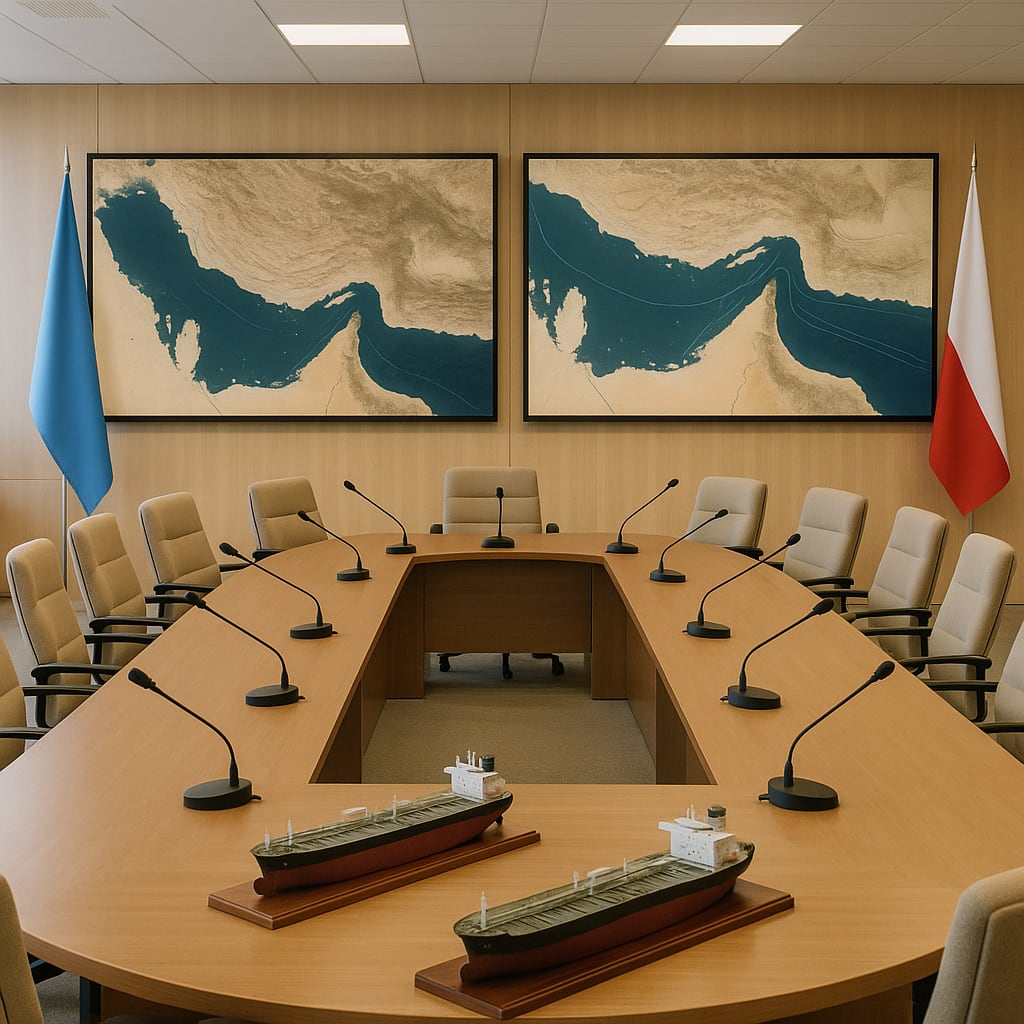
US and Iran pause strikes and plan Doha talks after Hormuz flare-up tests June 17 MoU
Narrative Snapshot
- Broad convergence: multiple outlets citing US officials (via Reuters/Axios) report a mutual pause in strikes and a resumption of technical talks, with safe passage for shipping through the Strait of Hormuz (DW; TASS; Middle East Eye, 28–29 Jun). Regional and European coverage frames this as a fragile reset after rapid escalation.
- Points of fracture: US- and Iran-leaning sources diverge on cause and compliance. Western outlets stress Iranian responsibility for the initial ship attack and US retaliatory strikes (BBC; Japan Times; Folha). Iranian statements and Russia-based outlets emphasize US violations and contested shipping “routes” and oversight (Middle East Eye, 26 Jun; RT, 27–28 Jun).
- What’s most at stake: the terms governing Hormuz access and any Iranian role in oversight or taxation—flagged as a core negotiating impasse (Le Monde)—and whether the June 17 memorandum’s scope extends beyond naval de-escalation to wider regional hostilities (RT, 25 Jun; The Hindu).
What Happened
After a June 17 US–Iran memorandum of understanding, a Singapore-flagged container ship was struck while crossing the Strait of Hormuz on June 26 (BBC; Le Monde). Citing that attack, US Central Command hit Iranian missile and drone storage sites and coastal radar on June 26–27 (Japan Times; Folha). Vice President J.D. Vance warned that “violence will be met with violence,” while Iran’s Islamic Revolutionary Guard Corps (IRGC) said it targeted locations where US forces are deployed and denounced Washington for violating commitments (Times of Israel; Middle East Eye, 26 Jun). Over the weekend, reports described Iranian drone and missile strikes against Bahrain and Kuwait, both of which host US bases (The Guardian; CBC). By June 28–29, US officials said Washington and Tehran agreed to halt strikes, allow vessel movement through Hormuz, and restart technical talks—reportedly in Doha on Tuesday (DW; TASS; Middle East Eye, 28–29 Jun).
Why It Matters
Control and governance of the Strait of Hormuz—a chokepoint for global energy and trade—are central to the MoU’s viability. Negotiations are grappling with whether and how Iran administers transit, including reported discussions over fees or oversight that the US opposes (Le Monde). The weekend’s exchanges, coming days after the MoU, underscore the fragility of conflict-management arrangements that lack shared enforcement mechanisms or clear dispute-resolution pathways (Al Jazeera, 27 Jun). They also expose linkages to broader regional theaters—Lebanon and beyond—where the MoU’s scope and applicability are contested (The Hindu; RT, 25 Jun). Financial issues, including access to frozen Iranian assets, have surfaced as potential spoilers (Fox News). For governments, shippers, and Gulf host nations, the immediate policy stakes include navigational security guarantees, insurance and risk pricing, and whether intermediated talks in Doha can institutionalize deconfliction procedures credible to both sides (DW; TASS; Middle East Eye, 28–29 Jun).
Diverging Narratives
- Attribution and compliance: The US position centers on Iran’s responsibility for the ship attack and the necessity of retaliatory strikes (BBC; Japan Times; Folha). Iranian officials and aligned coverage counter that Washington breached commitments first and that US strikes prove American unreliability (Middle East Eye, 26 Jun; RT, 28 Jun).
- Rules of transit: Western and European outlets foreground freedom of navigation and reopening traffic (DW). Iran-leaning narratives emphasize “approved routes” and Tehran’s role in regulating passage—points not embraced in Western reporting (RT, 27 Jun; Le Monde).
- Scope of the MoU: Reporting highlights ambiguity over whether the agreement encompasses regional hostilities, including Israel–Hezbollah fighting. US Secretary of State Marco Rubio was cited disputing the feasibility of a total regional cessation despite claims it is a clause in the MoU, a contention Tehran rejects (RT, 25 Jun; The Hindu).
- Escalation signaling: Senior US rhetoric ranged from Vance’s vow of reciprocal force to Donald Trump’s threat that Iran could “no longer exist” if talks fail (Times of Israel; The Guardian). Iran warned of a “complete halt” to negotiations amid weekend strikes (The Guardian). Simultaneously, both sides endorsed a pause and a return to talks (DW; TASS; Middle East Eye, 28–29 Jun), leaving uncertainty over the durability of the stand-down (Al Jazeera, 28 Jun).
What Happens Next
- Doha technical talks: Officials signaled consultations on Tuesday (TASS; DW; Middle East Eye, 28–29 Jun). Watch whether parties codify shipping corridors, inspection/monitoring modalities, and any revenue or fee arrangements—issues identified as core sticking points (Le Monde). Durable language on vessel passage, notification, and dispute channels would indicate progress.
- Stand-down sustainability: The reported halt in “kinetic activity” (RT, 29 Jun; DW) will be tested by any further maritime incidents or regional strikes (CBC; The Guardian). Indicators include uninterrupted commercial transits, absence of cross-border drone/missile launches, and tempered public rhetoric from principals (Times of Israel; The Guardian).
- Scope and linkages: Monitor whether negotiators formalize the MoU’s geographic and operational scope—especially any linkage to Israel–Lebanon dynamics contested in prior reporting (RT, 25 Jun; The Hindu). Clarification would reduce misaligned expectations that fueled the latest spiral (Al Jazeera, 27 Jun).
- Economic levers: Disputes over frozen Iranian funds, raised as a stress point (Fox News), could re-emerge in parallel to security talks. Signals of phased financial relief or, conversely, tightening restrictions will shape incentives for compliance. Additionally, human and commercial impacts on seafarers underscore the cost of any breakdown (Middle East Eye, 29 Jun).