
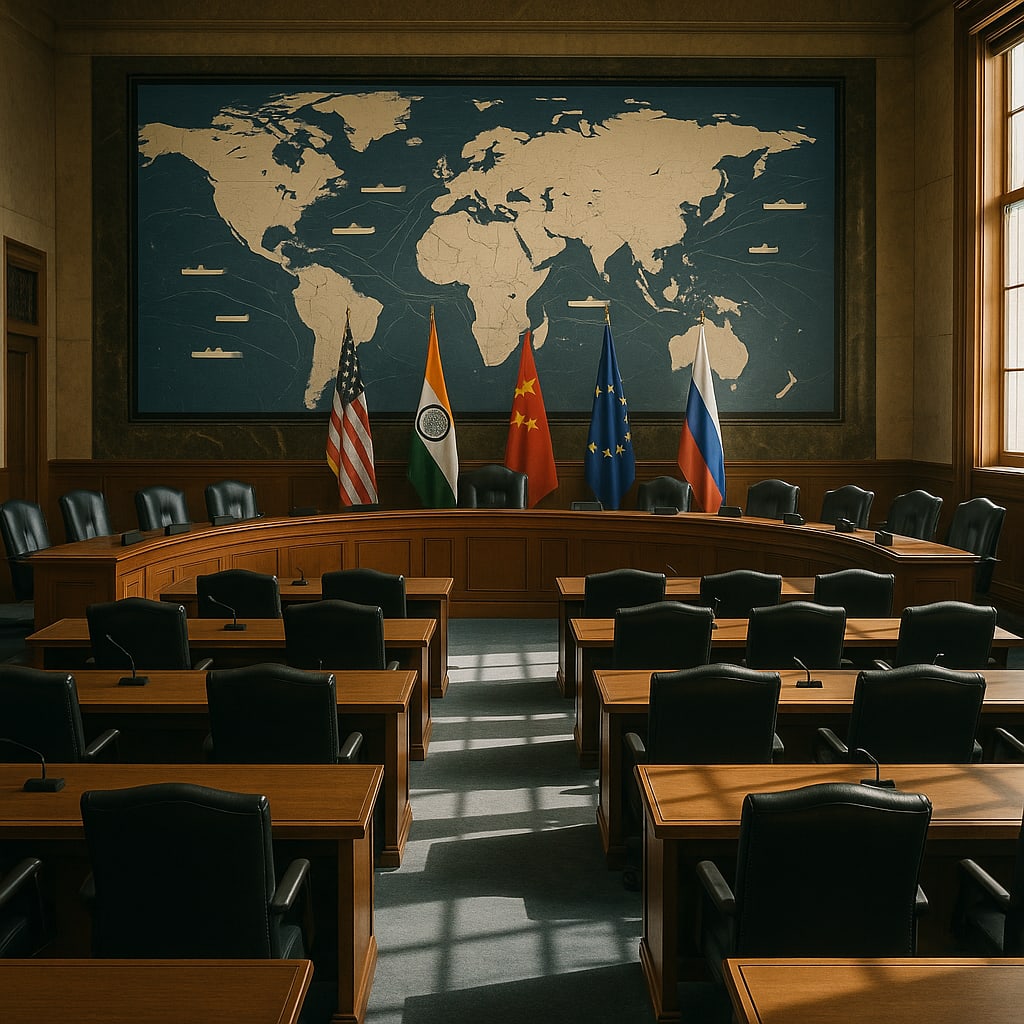
US Senate advances bipartisan Graham bill expanding Russia and Iran sanctions, targeting major buyers of Russian energy
Narrative Snapshot
Across U.S. outlets, the story is framed as a significant but procedural advance, with an emphasis on bipartisan momentum, the personal legacy of Senator Lindsey Graham, and President Volodymyr Zelensky’s direct appeals on Capitol Hill. The New York Times and Fox News highlight a breakthrough on a long‑stalled measure linked to Graham’s memorial and stress the bill’s core purpose of constraining purchases of Russian oil and gas, including through new tariff authorities and secondary sanctions.
European and Indian coverage pivots to extraterritorial impact. La Repubblica portrays congressional action as approval of “new sanctions to Putin” with explicit pressure on countries buying Russian oil, while The Hindu underscores that the bill’s reach would extend to buyers “including India and China,” detailing primary and secondary sanctions provisions. Serbian daily Politika similarly underscores potential changes in U.S. posture toward key purchasers of Russian energy.
Russian state media present a critical counter‑narrative. TASS cites the Russian Embassy in Washington arguing the bill harms U.S. interests and constrains the president’s foreign policy, yet simultaneously reports that President Donald Trump supports the legislation and that an 84‑vote procedural tally launched Senate debate. The juxtaposition spotlights both Moscow’s political critique and its acknowledgment of strong U.S. Senate support.
What Happened
A bipartisan group of U.S. senators reached agreement to advance a long‑stalled sanctions package—now titled the Lindsey O. Graham Sanctioning Russia and Iran Act of 2026—aimed at major buyers of Russian energy and expanding measures against Iran (Ukrinform; The Hindu; New York Times, July 28). Senators moved the bill forward shortly after Graham’s memorial, with backers casting it as part of his legacy (New York Times, July 28; Politika, July 29). Following Zelensky’s meetings on Capitol Hill, a bipartisan majority voted to advance the measure, which supporters describe as designed to cut off purchases of Russian oil and gas and to authorize new tariff powers on large importers (RFE/RL; Fox News; New York Times, July 29). President Trump supports the bill, though he indicated the House need not interrupt its August recess, and the Senate voted 84–0 to open debate in a second procedural vote (TASS, July 29–30).
Why It Matters
The bill would widen the United States’ use of secondary sanctions and empower the executive to levy tariffs on major importers of Russian energy, sharpening tools that project U.S. financial and trade power beyond its borders (New York Times, July 29; The Hindu). This aligns economic statecraft with wartime objectives by targeting revenue streams underpinning Russia’s aggression, a linkage underlined by Zelensky’s direct appeals to Congress (RFE/RL; Kyiv Independent). By bundling expanded Iran sanctions, it also reflects a cross‑theater approach to adversaries seen as mutually reinforcing each other’s capacities (Ukrinform; The Hindu). If enacted, the framework would test relations with significant energy buyers, including India and China, and could reset expectations about the scope of U.S. secondary enforcement, with implications for allied coordination, corporate compliance exposure, and the balance of sanctioning authority between Congress and the presidency (The Hindu; New York Times, July 29).
Diverging Narratives
Outlets diverge on stage and framing. U.S. and regional reporting describes procedural advances with substantial bipartisan votes to proceed, not final passage (Fox News; RFE/RL; Politika, July 29; TASS, July 30). By contrast, La Repubblica characterizes the action as Congress approving new sanctions to force negotiations, quoting Putin’s defiant response, a framing that goes beyond the Senate’s procedural posture (La Repubblica).
Substantively, U.S. coverage splits emphasis between purpose and mechanics. Fox News amplifies intent—“stop purchases of Russian oil and gas from fueling Putin’s war machine,” in Senator Richard Blumenthal’s words—while the New York Times stresses the bill’s grant of sweeping tariff powers to President Trump over large importers (Fox News; New York Times, July 29). The Hindu focuses on extraterritorial reach by naming India and China among potential targets and specifying primary and secondary sanctions (The Hindu). Politika and Ukrinform echo the shift toward sanctioning key buyers and the expansion to Iran (Politika, July 28–29; Ukrinform).
Moscow’s messaging, carried by TASS, casts the bill as self‑defeating for the United States and an encumbrance on presidential diplomacy, yet TASS also reports Trump’s support and lopsided Senate votes to proceed, underscoring strong momentum despite Russian objections (TASS, July 29–30).
What Happens Next
Senate floor debate will shape scope and enforceability. Analysts should watch amendment activity around secondary sanctions triggers, carve‑outs, and the breadth of tariff authorities over importers of Russian energy, given the New York Times’ reporting on new presidential tariff powers and The Hindu’s detailing of primary and secondary sanctions (New York Times, July 29; The Hindu). House timing is another inflection point: Trump signaled no need to interrupt the August recess, implying sequencing after lawmakers return; leadership signals on scheduling will determine whether momentum carries through (TASS, July 29). Executive implementation posture matters if enacted: Trump’s stated support suggests willingness to use added tools, making early administrative guidance a key indicator (TASS, July 29). Finally, responses from major buyers identified in coverage, including India and China, will influence compliance risk and diplomatic management of secondary sanctions exposure (The Hindu).