
Fauci invokes Fifth Amendment at US Senate hearing on Covid-19 origins as Republicans pursue contempt and states open probes
Narrative Snapshot
Across outlets, there is broad agreement that Anthony Fauci repeatedly declined to answer senators’ questions by invoking his constitutional right against self-incrimination, with conservative US media quantifying the refusals and centering alleged contradictions, while international and mainstream sources foreground legal process and partisan context. Fox News framed the session through counts of Fifth Amendment invocations—variously “more than 70” and “111”—and highlighted efforts to hold Fauci in contempt and pursue state investigations. RT similarly emphasized the tally and portrayed the hearing as concealment. By contrast, the BBC, CBC, and the New York Times focused on the procedural fact of Fauci’s refusal and the persistent confusion about contested issues.
Coverage diverges most in emphasis. The Guardian cast the hearing as a vehicle for continued politicization of science by Republican senators. Al Jazeera and the South China Morning Post tied questioning directly to claims of a cover-up and to US funding of coronavirus research in China, situating the exchange within the unresolved debate over natural spillover versus a laboratory-related incident. Italian outlets ANSA and La Repubblica noted Donald Trump’s attacks and the surprise of Fauci’s legal posture.
What is most at stake varies by outlet: for Fox and allied commentators, personal accountability, potential perjury, and the enforceability of contempt are paramount; for SCMP and Al Jazeera, the implications for US-China research linkages and origin narratives loom large; for the Guardian, Folha de S.Paulo, and other international sources, the episode illustrates how pandemic-era controversies have become durable features of US partisan conflict, shaping public trust and policymaking years after the crisis.
What Happened
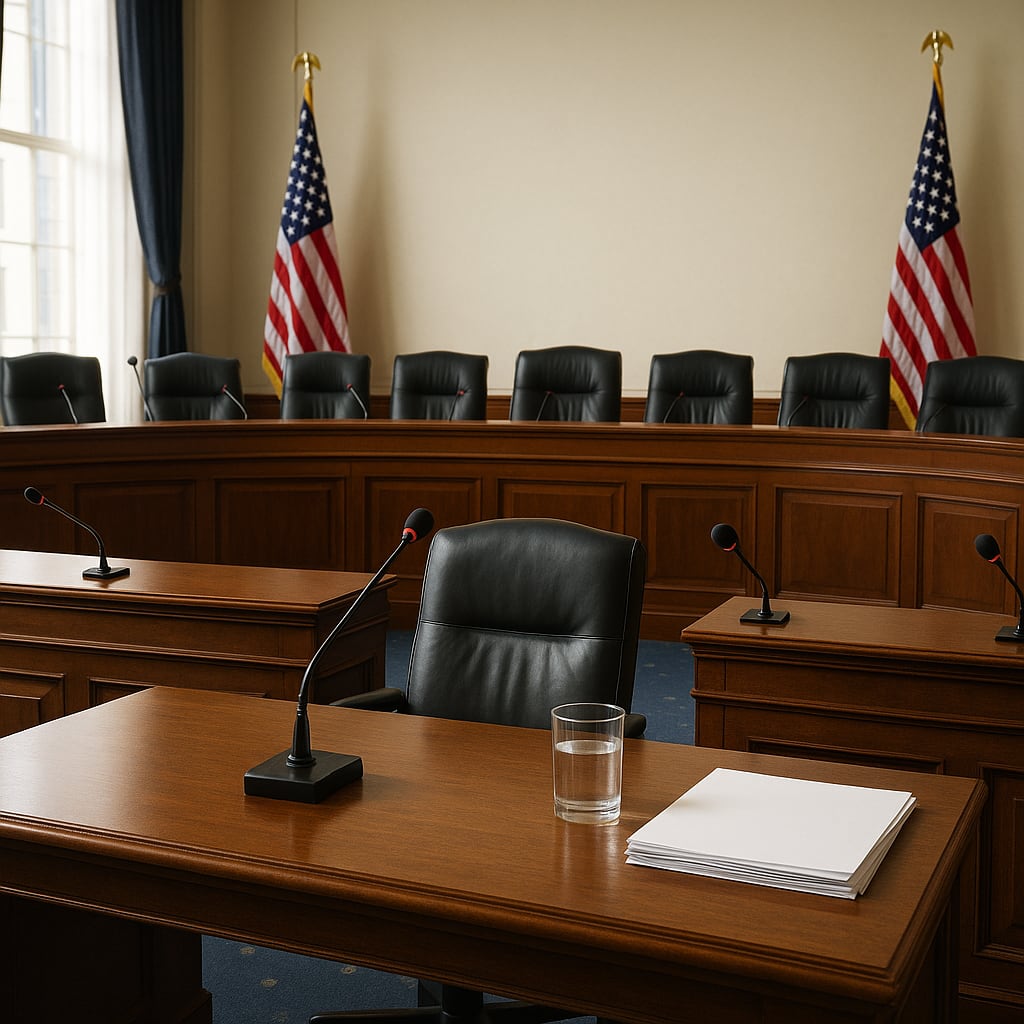
At a July 29, 2026 hearing of the US Senate Homeland Security and Governmental Affairs Committee chaired by Senator Rand Paul, Anthony Fauci delivered an opening statement asserting support for legitimate oversight before declining, on advice of counsel, to answer questions by invoking the Fifth Amendment (Fox News; BBC; CBC). Republicans pressed him on alleged support for gain-of-function research, US funding for coronavirus work in China, and the pandemic’s origin, referencing more than 1,000 pages of his diaries released by Paul ahead of the hearing (Fox News; South China Morning Post; RT). Reports variously described Fauci invoking the Fifth more than 70 times or 111 times (Fox News; RT). Paul said he would seek a civil contempt vote, and senators Josh Hawley and Paul questioned whether, given what they described as a prior presidential pardon, Fauci could lawfully claim the privilege (Fox News). Florida and Louisiana officials announced state-level investigations following the hearing (RT; Fox News). Trump criticized Fauci’s pandemic leadership (ANSA; La Repubblica).
Why It Matters
The hearing sits at the intersection of congressional oversight, individual constitutional protections, and the evolving boundary between federal and state accountability. Republican plans to pursue contempt and to test the interaction between a claimed presidential pardon and the Fifth Amendment could set process precedents for how former officials are compelled to testify (Fox News). Parallel state investigations in Florida and Louisiana indicate a devolution of pandemic-era accountability efforts from federal to state venues, raising questions about jurisdictional reach and forum selection (RT; Fox News).
Substantively, the lines of inquiry—US support for coronavirus research in China and the unresolved origin debate—bear on future guardrails for federally funded pathogen research and cross-border scientific collaboration (South China Morning Post; Al Jazeera). International coverage highlighting politicization and conspiratorial narratives underscores a longer-term challenge for risk communication and institutional trust, with implications for how governments structure scientific advisory roles and crisis decision-making in future biosecurity events (The Guardian; Folha de S.Paulo; New York Times).
Diverging Narratives
Conservative US outlets and Republican officials portray the refusals as evidence of wrongdoing and grounds for legal escalation. Fox News amplified counts of Fifth Amendment invocations, featured senators’ calls for contempt and potential prosecution, and highlighted claims that Fauci’s diaries contain contradictions about origins and policy judgments (multiple Fox News reports). Commentators and politicians on Fox urged jail time and broader accountability, extending potential exposure to state venues (Fox News). RT similarly framed the session as concealment, asserting that documentary records already implicate Fauci (RT).
Mainstream and international outlets concentrated on process and context. The BBC and CBC described the legal posture without adjudicating motivations, while the New York Times emphasized how key questions remained unresolved after the three-hour hearing. The Guardian characterized the proceeding as continued partisan weaponization of the pandemic rather than fact-finding. Al Jazeera and the South China Morning Post focused on the policy core—US funding ties to China and the contested origins debate—rather than personal culpability. Italian outlets spotlighted Trump’s criticism and the political temperature (ANSA; La Repubblica). A further split concerns legal framing: Hawley and Paul argued that what they described as a Biden pardon negates Fifth Amendment claims and cited historical precedent (Fox News), a contention not echoed or validated in non-Fox reporting in this source set.
What Happens Next
Three decision points will shape the trajectory. First, the Senate path: Senator Paul said he would seek a civil contempt vote, which Fox News reported is expected to break along party lines; passage would move the dispute toward judicial enforcement and potential litigation over privilege and immunity claims. Second, the legal theory Republicans advanced—whether a claimed presidential pardon displaces Fifth Amendment protections—may be tested if courts are asked to compel testimony; signals to watch include formal filings by the committee and any judicial consideration of the 1896 precedent Hawley cited (Fox News). Third, the state track: Florida and Louisiana attorneys general announced probes; analysts should monitor subpoenas, coordination with other states such as Alabama referenced by Fox News, and whether state-level theories avoid federal pardon implications (RT; Fox News). In parallel, watch for any NIH or congressional moves on research funding guardrails tied to overseas collaborations highlighted in the hearing (South China Morning Post).