
Trump urges ICE to continue vehicle stops a day after DHS pause following two fatal shootings
Narrative Snapshot
Across outlets, there is broad alignment that federal officers were told to pause most immigration-related vehicle stops after two deadly encounters in Texas and Maine, and that President Donald Trump then publicly pressed ICE to keep using the tactic. Where accounts diverge is in attribution and emphasis. France24, the Guardian and the South China Morning Post cite homeland security sources describing a DHS directive to halt stops, while Le Monde frames the suspension as coming from the Trump administration itself. Fox News presents Trump’s instruction as a reversal of DHS and emphasizes traffic stops as an “important and effective” tool, quoting his social media post.
Coverage also differs on what aspects of risk and accountability to foreground. The Guardian reports both men killed were unarmed, neither was the intended target, and agents wore no body cameras, themes echoed by the Hindu alongside protests in multiple cities. Fox News highlights that the Maine driver “attempted to flee,” notes the Houston victim’s immigration status, and centers calls for an investigation from Kamala Harris while featuring criticisms of her record from opponents. The New York Times contributes granular, independently obtained video evidence around both incidents and reports that FBI agents later searched the Houston van for drugs, adding that federal investigators do not believe ICE officers knew of any contraband at the time.
International outlets situate the events within larger enforcement dynamics. Al Jazeera links the Maine shooting to at least nine deaths tied to the administration’s operations, while the Times and France24 connect the Houston killing to an ongoing nationwide surge in arrests. Mexico’s stated plan to seek criminal charges over deaths tied to U.S. enforcement adds a bilateral dimension in reporting from the Toronto Star.
What Happened
Within six days, two men were fatally shot during ICE encounters. On July 7 in Houston, an ICE officer killed 52-year-old Lorenzo Salgado Araujo after a pursuit involving unmarked vehicles; body cameras were not in use, and both DHS’s inspector general and local prosecutors opened investigations. Surveillance footage reviewed by the New York Times showed aggressive driving before the stop, while federal agents later searched the van for drugs, which investigators believe the ICE team did not know about at the time. On July 13 in Biddeford, Maine, 26-year-old Colombian national Joan Sebastian Guerrero was shot in his car; he was not the target of the warrant, according to Senator Angus King’s office, and agents again lacked body cameras. After the Maine killing, DHS told ICE to suspend most vehicle stops, according to multiple outlets. On July 15, Trump publicly urged ICE to continue traffic stops.
Why It Matters
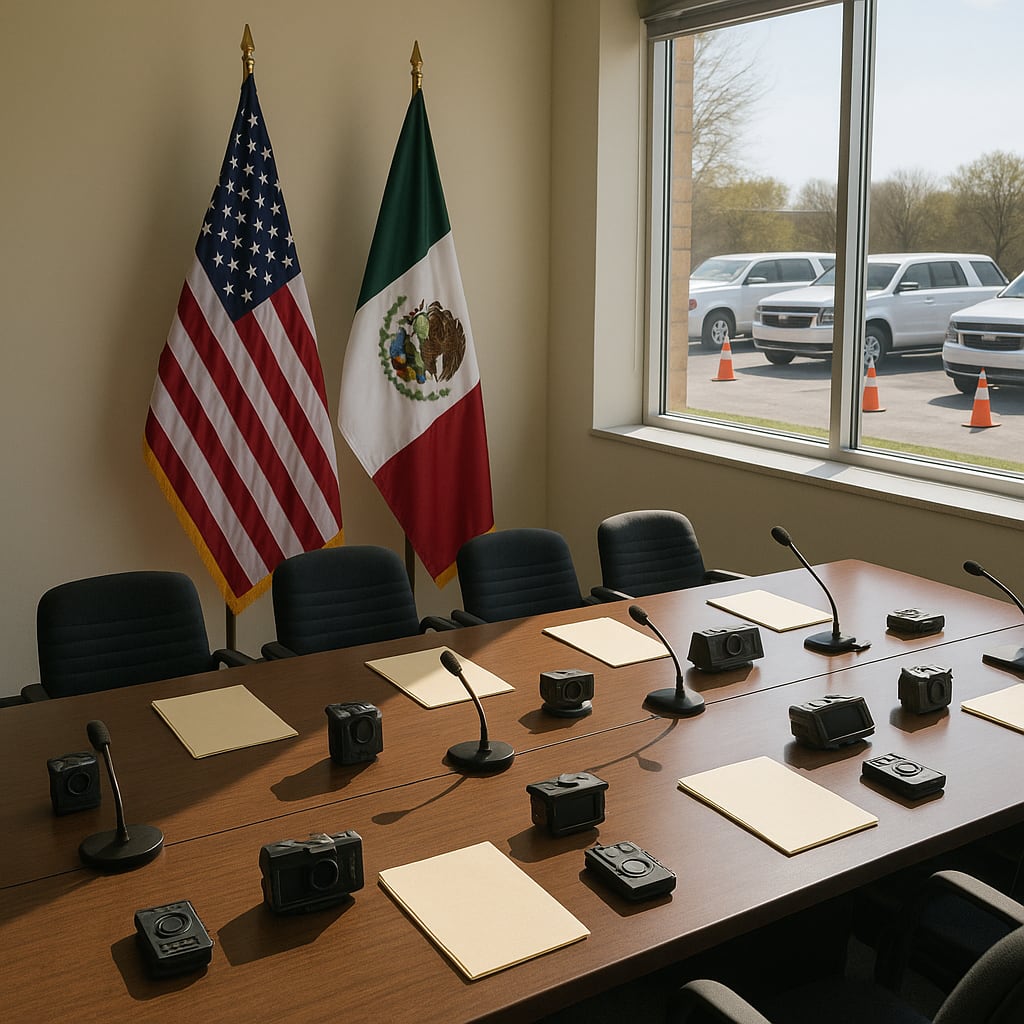
The episode exposes a live test of operational authority and oversight within U.S. homeland security policy. A reported DHS directive to pause a widely used enforcement practice, followed by the president’s public call to maintain it, raises questions about institutional discipline and the boundary between political guidance and law enforcement operations, as described by France24, the Guardian, the New York Times and Fox News. The cases also underscore capacity and accountability gaps: ICE shooters in Houston and Maine lacked body cameras despite congressional funding for deployment, according to the Toronto Star and Fox News, complicating after-action review and prosecutorial assessment.
Strategically, the shootings occur amid a surge in arrests nationwide, documented by the New York Times, and growing domestic protests reported by CBC and the Hindu. Internationally, Mexico’s stated intent to pursue criminal charges over deaths tied to ICE operations introduces potential diplomatic and legal friction reported by the Toronto Star, with implications for bilateral cooperation on migration enforcement.
Diverging Narratives
Two frames recur. Law-and-order coverage stresses the utility of vehicle stops and portrays the incidents as volatile encounters. Fox News quotes Trump calling traffic stops “one of ICE’s most important and effective crime-fighting tools” and reports DHS’s description that the Maine officer fired “fearing for public safety,” a rationale echoed in CGTN’s account. That frame also notes the Maine driver’s attempted flight and the Houston victim’s unlawful status. A contrasting rights-and-accountability frame, led by the Guardian, emphasizes that both men were unarmed, neither was the intended target, and no body cameras recorded the encounters; the Hindu and CBC pair these facts with reporting on protests. Investigative uncertainty remains: the New York Times says key moments of both shootings are unclear from available footage, while later FBI drug findings in the Houston van—unknown to agents at the time—complicate post hoc interpretations of risk. Telesur English reports local officials’ accusations of an evidence cover-up in Houston, while Fox News, the New York Times and others center formal inquiries by DHS’s inspector general, the FBI and local prosecutors.
What Happens Next
Three decision points emerge. First, DHS policy: outlets report a temporary suspension of most vehicle stops, followed by Trump’s public instruction to resume. Analysts should watch for formal DHS guidance that either reinstates restrictions or codifies continued use, as signaled by internal memos or field directives cited by France24, the Guardian and the South China Morning Post. Second, accountability and transparency: outcomes from the DHS inspector general, Houston prosecutors, and the FBI’s evidence work will shape legal exposure and future rules of engagement; track any release of investigative findings and charging decisions noted by Fox News and the New York Times. Third, technology and practice: with body-camera funding already allocated, monitor procurement and deployment timelines and whether ICE mandates cameras during vehicle stops, an absence highlighted by the Toronto Star, the Guardian and Fox News. Internationally, any formal Mexican legal action, flagged by the Toronto Star, will indicate escalating bilateral stakes.