
US Army Launches, Then Dismisses Investigation into Helicopter Stunt at Kid Rock's Nashville Home
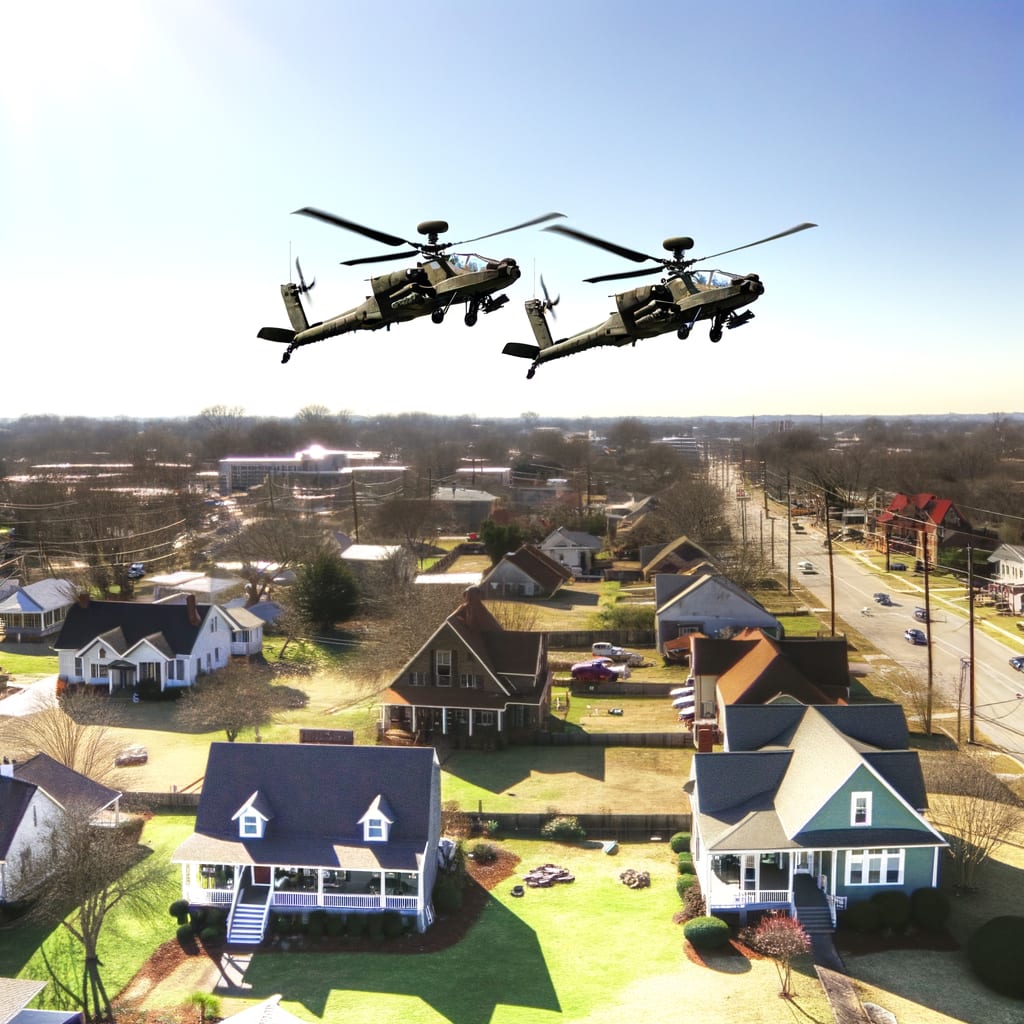
The United States Army launched, and then abruptly dismissed, an investigation into a helicopter flyby at the Nashville, Tennessee mansion of musician Kid Rock, a vocal supporter of former President Donald Trump. The incident, which occurred on a Saturday, involved two AH-64 Apache helicopters hovering near the artist's hillside home, prompting both public interest and media scrutiny.
Background and Context
Kid Rock, whose real name is Robert Ritchie, posted footage of the event on social media on Saturday. In the videos, the pro-Trump artist is seen saluting the military helicopters from his outdoor pool as they idled near his residence, famously referred to as the Southern White House.
The Nashville skyline served as a backdrop to the unexpected spectacle.
As noted by the musician, it is not unusual for him to interact with pilots practicing in the area. It was pretty cool they stopped right there,
he told WKRN. I wasn't expecting any of that, but I thought it was pretty neat.
Key Developments
Following the incident, the Army confirmed the initiation of an Army Regulation 15-6 administrative investigation. The helicopters, from the 101st Combat Aviation Brigade at Fort Campbell, were said to have conducted a flight in the Nashville area that attracted significant attention. As a result, the personnel involved were initially suspended from flight duties pending the investigation.
However, the investigation was soon dismissed. U.S. Defense Secretary Pete Hegseth announced on social media that the crew members were no longer suspended. No punishment. No investigation,
Hegseth wrote. Carry on, patriots.
Implications and Reactions
The incident drew mixed reactions from various quarters. Former President Donald Trump, when asked about the flyby, said, They like Kid Rock. I like Kid Rock.
However, media reports suggested that the same helicopters also flew low over a No Kings
rally against Trump in Nashville on the same day, sparking further controversy.
Conclusion
The U.S. Army's rapid dismissal of the investigation raises questions about the circumstances surrounding the event. Despite initial concerns about potential irregularities, the final decision suggests that the Army does not view the incident as a breach of protocol or conduct. However, the incident and its resolution have led to public debate about the intersection of politics and military operations.