
Western Europe’s Hottest June on Record Brings Excess Deaths, Ozone Exposure, and Infrastructure Strain
Narrative Snapshot
Across outlets, the scientific baseline is consistent: EU’s Copernicus service confirmed Western Europe’s warmest June since records began, with average temperatures roughly 3°C above the 1991–2020 norm and 20.74°C for the region, while June 2026 ranked as the second-warmest globally and featured record-high June sea surface temperatures (ANSA; The Hindu; TASS; The Guardian, 9 Jul; CGTN; NHK; Telesur English). Several reports emphasize that the late-June heatwave broke local records and coincided with a broader oceanic heat context (CGTN; The Guardian, 8 Jul).
Health impacts dominate European and international coverage but at different levels of specificity. Germany’s federal statistics show more than 5,000 excess deaths linked to the June heat, including 5,655 above expected mortality in the penultimate week as temperatures spiked (Deutsche Welle; Folha de S.Paulo). Al Jazeera highlights thousands of deaths across Europe, concentrated in France, Spain and Belgium, while one UK report cites estimates that continent-wide fatalities in June could exceed 20,000 (Al Jazeera; The Guardian, 9 Jul). The World Health Organization warning, reported in Italy, that “Europe is not ready” adds a preparedness dimension to the mortality data (La Repubblica).
Coverage also foregrounds collateral risks: two-thirds of the EU population may have faced harmful ozone levels during the heatwave, according to a report shared with AFP (Bangkok Post). Infrastructure and systems stress recur in UK reporting, where the grid operator sought extra generation to manage peak demand, health alerts expanded, and extreme marine temperatures raised ecosystem concerns (The Guardian, 9 Jul; 9 Jul; 8 Jul). Southern European and Latin American outlets center France, noting intensified wildfires, an orange heat alert, and social frictions over air conditioning amid depleted fan stocks and urban constraints (The Guardian, 9 Jul; Telesur English, 9–10 Jul; Clarín). Economic framing is sharpest in Russian state media, which details heat-driven hits to transport, power prices, industrial output and productivity (RT).
What Happened
EU’s Copernicus Climate Change Service reported Western Europe’s hottest June on record, with regional average temperatures about 3°C above the 1991–2020 baseline and a mean of 20.74°C, alongside the second-warmest June globally and record June sea surface temperatures (ANSA; The Hindu; CGTN; NHK; The Guardian, 9 Jul; Telesur English). The late-June heatwave broke records, fueled wildfires in France and Spain, disrupted power supplies and led to school closures in parts of the region (The Guardian, 9 Jul; CGTN). Germany recorded over 5,000 excess deaths linked to the heat, including 5,655 above expected in the penultimate week of June, while thousands of deaths were reported across Europe, particularly in France, Spain and Belgium (Deutsche Welle; Folha de S.Paulo; Al Jazeera). The UK entered its third heatwave of the year, expanded health alerts, and its grid operator requested additional power generation (The Guardian, 9 Jul). A report indicated two-thirds of EU residents may have been exposed to harmful ozone during the heatwave (Bangkok Post).
Why It Matters
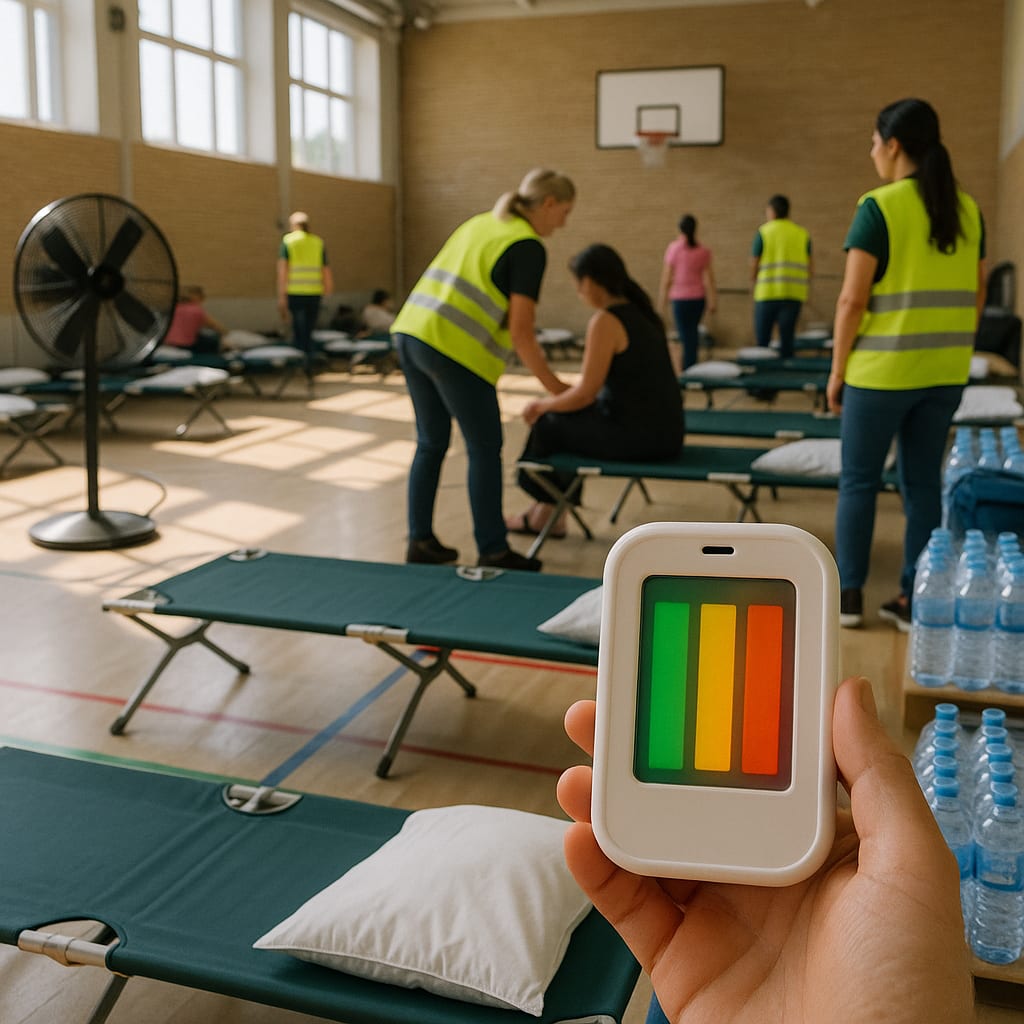
The episode exposes a widening adaptation gap across European health, energy, and environmental systems. Mortality signals and the WHO’s warning that Europe is not prepared highlight pressure on heat-health planning and surveillance, while ozone exposure findings point to compounded public-health risks during heat episodes (La Repubblica; Bangkok Post; Deutsche Welle; Folha de S.Paulo; Al Jazeera). Grid stress in the UK and reported power disruptions elsewhere underscore electricity-system resilience challenges under concurrent peaks in cooling demand and heat-related deratings (The Guardian, 9 Jul; CGTN). Business responses, such as a major UK retailer investing in refrigeration designed for 45°C conditions, illustrate private-sector adaptation underway as extreme heat becomes a planning parameter (The Guardian, 7 Jul). Record marine temperatures and wildfire activity expand the risk perimeter to ecosystems and land management, raising costs that UK and European reporting frame as mounting and recurrent under continued warming (The Guardian, 8–9 Jul).
Diverging Narratives
Outlets largely align on the magnitude of the heat anomaly but differ in what they foreground as the main policy problem. Several explicitly link the event to human-driven climate change and emphasize scientific attribution, with language that the heatwave was “inflamed by carbon pollution” and that June “underscored how profoundly the climate is changing,” as noted by an ECMWF representative (The Guardian, 9 Jul; TASS). Others lean into operational resilience: UK pieces focus on heat health alerts, power-system balancing, and even sleep disruption, portraying heat as a broad societal stressor (The Guardian, 4–9 Jul). Health-impact quantification varies: Germany’s excess mortality is precise, while continent-wide tolls are described as “thousands,” with one UK estimate suggesting June deaths could surpass 20,000—an order-of-magnitude signal, but still provisional (Deutsche Welle; Folha de S.Paulo; Al Jazeera; The Guardian, 9 Jul). Southern European and Latin American coverage surfaces social and urban-design frictions in France over air conditioning and building norms, pointing to contested adaptation pathways (Clarín). Economic framing is strongest in RT’s account of productivity losses, damaged infrastructure, and power-price spikes, contrasting with European outlets that center health and environmental dimensions even as they report grid and wildfire impacts (RT; The Guardian, 9 Jul).
What Happens Next
Three decision tracks emerge. First, public health and risk communication: WHO’s warning and UK MPs’ call for a televised national climate briefing place immediate pressure on governments to update heat-health plans, early-warning protocols, and public messaging; whether authorities adopt such briefings will signal the trajectory of national preparedness (La Repubblica; The Guardian, 10 Jul). Second, energy-system resilience: Great Britain’s operator has already sought extra supplies; recurrent notices, demand-response measures, and near-term capacity adjustments will indicate how grids manage sustained heat-driven peaks (The Guardian, 9 Jul). Third, adaptation measures across sectors: France’s orange alert, wildfire responses, and French debates over cooling, alongside corporate investments in heat-tolerant refrigeration, will show whether authorities and businesses shift building standards, operating hours, and cooling strategies during prolonged heat (Telesur English, 9 Jul; Clarín; The Guardian, 7 Jul). Analysts should watch updated mortality and ozone exposure statistics, Copernicus and NOAA bulletins, and wildfire incident data to gauge cumulative risk and policy momentum.