
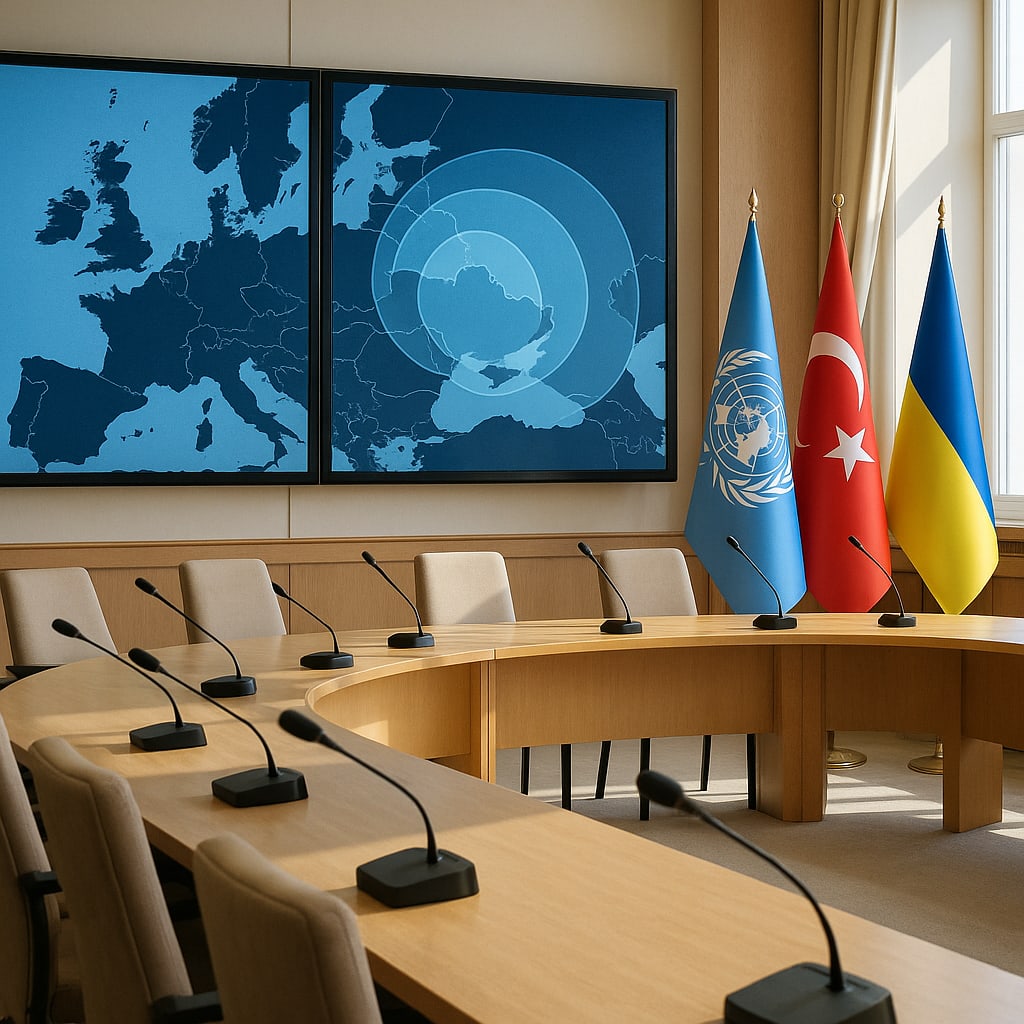
Repeated Russian missile barrages hit Kyiv within a week as NATO meets in Turkey
Narrative Snapshot
- Multiple outlets agree Russia struck Kyiv repeatedly with ballistic and other missiles in early July, igniting fires and causing civilian casualties; several describe the July 2 barrage as the capital’s largest since 2022 (Deutsche Welle, Le Monde, Fox News/Reuters).
- Casualty figures diverge across reports and over time: initial counts from “at least 13” (Le Monde, July 2) rose to 18–27 (Deutsche Welle variants) and “at least 30” by July 3 (Le Monde), while subsequent July 6–7 strikes were reported as nine (BBC), 12 (Clarín) and 22 deaths (Corriere della Sera).
- Framing splits: Ukrainian and Western outlets center the civilian toll and air-defense shortfalls, noting Zelensky’s requests for Patriot-related measures and more air defenses (Le Monde, Corriere della Sera). RT presents the strikes as a response to large Ukrainian UAV attacks on Moscow and claims Russian hits on Ukrainian military production (RT).
- Several accounts note explosions before air-raid sirens (Kyiv Independent, South China Morning Post), and coverage situates the attacks around the NATO summit in Turkey (BBC, SCMP, Le Monde).
What Happened
Russia launched repeated strikes on Kyiv in the first week of July. On July 2, officials described the assault as the largest on the capital since 2022, with casualties escalating from at least 13 (Le Monde) to 18–27 (Deutsche Welle updates) and at least 30 on July 3 (Le Monde). Reports cited extensive use of ballistic and cruise missiles and drones; Reuters reporting carried by Fox News described nearly 600 combined munitions and drones targeting Kyiv, leaving more than 90 wounded. Kyiv declared a day of mourning on July 3 (Le Monde). On July 6, fresh ballistic missile attacks killed civilians, with tallies ranging from nine (BBC) to 12 (Clarín) and 22 (Corriere della Sera), and struck residential and other buildings (Deutsche Welle). Overnight July 7–8, missiles again hit Kyiv for the third time in a week, sparking fires in multiple districts (Al Jazeera, SCMP); blasts were heard before sirens (Kyiv Independent, SCMP). Le Monde also noted injuries in Kharkiv amid ongoing strikes.
Why It Matters
The sequencing and scale of strikes test Ukraine’s layered air-defense capacity and interceptor stocks, an issue raised explicitly by President Zelensky, who sought a U.S. license related to Patriot missiles after the July 2 attack and renewed appeals for additional air-defense systems (Le Monde, Corriere della Sera). The timing alongside the NATO summit in Turkey highlights alliance deliberations on sustaining air-defense coverage for Kyiv and other cities (BBC, SCMP, Le Monde). Cross-border dynamics are central: the New York Times reports Ukraine is “taking the war to Russia,” while RT alleges a massive Ukrainian UAV attack on Moscow’s region preceded Russian “crushing strikes” on Ukrainian military production (NYT, RT). Collectively, the coverage underscores pressures on deterrence, resilience of urban civil defense, and the capacity of international partners to replenish and coordinate high-end air-defense assets at speed.
Diverging Narratives
Ukrainian and Western outlets emphasize the civilian impact and scale of Russian strikes on Kyiv—“the largest since the war began” (Deutsche Welle; Le Monde)—with rising fatality counts and imagery of fires and destroyed buildings (BBC, Fox News/Reuters, Al Jazeera, SCMP, Kyiv Independent). In this framing, the policy problem is Ukraine’s need for more and faster air-defense support, including Patriot-related measures (Le Monde; Corriere della Sera).
RT advances a different causal chain: it claims Kyiv “lit the fuse” by launching over 430 UAVs at Moscow and that Russia largely intercepted them, then delivered “crushing strikes” on Ukrainian military production (RT). The New York Times presents a related but distinct context, noting Ukraine’s expanding strikes into Russia and characterizing Putin’s response as continued attacks on Kyiv (NYT). There are also operational ambiguities: explosions reportedly occurred before air-raid sirens (Kyiv Independent; SCMP), but outlets do not settle on causes. Casualty figures vary widely across reports and updates (Deutsche Welle range 18–27; Le Monde later 30; BBC 9; Clarín 12; Corriere 22), reflecting evolving information rather than a single agreed tally.
What Happens Next
- Air-defense provisioning: Zelensky’s requests for a U.S. Patriot-related license and broader air-defense supplies put decisions by Washington and NATO capitals in focus (Le Monde; Corriere della Sera). Watch for announcements on additional batteries, interceptors, or integration support tied to the summit and its aftermath.
- Strike tempo and scope: Outlets describe three Kyiv strikes within a week and concurrent hits in Kharkiv (Al Jazeera; Le Monde). Indicators include frequency, munition types (ballistic vs. cruise vs. drones), and reported fires or infrastructure damage.
- Cross-border operations: NYT reports Ukraine is expanding operations into Russia; RT alleges an unprecedented Ukrainian UAV wave at Moscow (NYT; RT). Monitor official claims and corroboration regarding drone activity and any stated Russian targeting of “military production.”
- Civil defense performance: Reports of blasts preceding sirens (Kyiv Independent; SCMP) put attention on alerting and interception timelines. Signals would include municipal updates on warning systems and technical adjustments following recent barrages.