
Apple sues OpenAI, alleging theft of trade secrets tied to its hardware ambitions and a soured 2024 partnership
Narrative Snapshot
Across outlets, coverage converges on Apple’s core allegation that OpenAI, aided by two former Apple employees, misappropriated confidential information to accelerate OpenAI’s push into consumer hardware. Deutsche Welle, CBC, the Toronto Star, the South China Morning Post, and NHK foreground the hardware angle and the claim that Apple’s secrets underpinned efforts to build an OpenAI device. BBC underscores the combative tenor of the complaint, quoting Apple’s characterization of OpenAI’s nascent hardware business as “rotten to its core.”
Where emphasis diverges is instructive. The New York Times, Clarin, and the Toronto Star situate the case within the breakdown of a 2024 integration deal that initially brought OpenAI’s services to Apple devices, framing the dispute as a rupture of a once-strategic alignment. La Repubblica highlights a different vector, reporting Apple’s contention that confidential information was also used to develop OpenAI’s models, broadening the alleged scope beyond device hardware. The South China Morning Post details an asserted pattern of employee poaching and extraction of company know-how, while the Japan Times cites the complaint’s specificity about “components, drawings and other materials” related to unreleased products, signaling that the dispute centers on concrete engineering assets rather than abstract ideas. ANSA characterizes the claimed misappropriation as spanning “every level,” underscoring the breadth Apple ascribes to the alleged breach.
What Happened
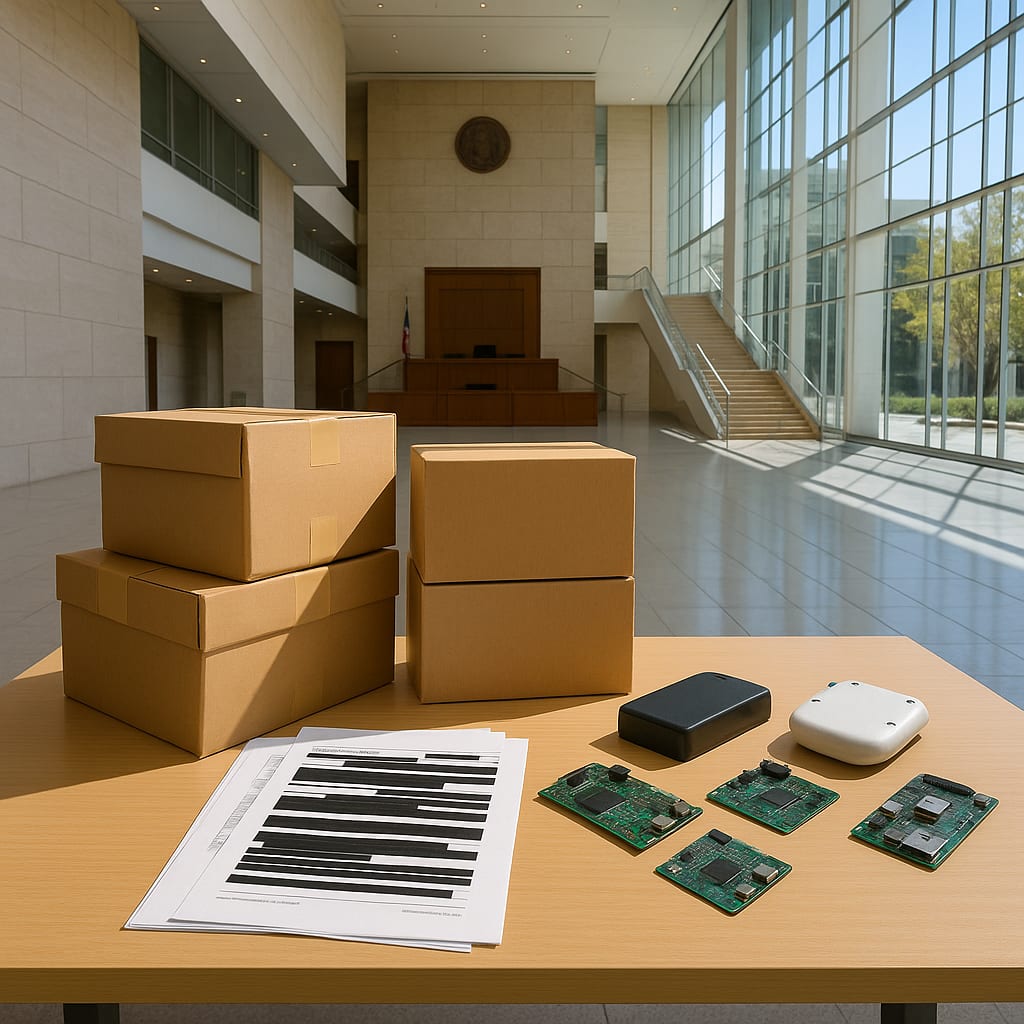
Apple filed a lawsuit in U.S. federal court in San Jose on July 10, 2026, accusing OpenAI and two former Apple employees of stealing trade secrets (Deutsche Welle; South China Morning Post; NHK). Multiple outlets report Apple’s claim that OpenAI sought to accelerate a consumer hardware effort by encouraging Apple employees to share confidential information, including components, drawings, and materials tied to upcoming products (Japan Times; South China Morning Post). BBC quotes the complaint describing OpenAI’s nascent hardware business as “rotten to its core.” The New York Times, Clarin, CBC, and the Toronto Star place the filing against the backdrop of a 2024 deal that brought OpenAI’s services to Apple devices, noting the partnership has since soured. Al Jazeera and Deutsche Welle specify that two former Apple employees are implicated in a coordinated theft of confidential information.
Why It Matters
This case centers on trade secrets and employee mobility at a moment when AI firms and platform companies are converging on device-level integration. Coverage from the South China Morning Post and the Japan Times highlights allegations involving specific product components and engineering drawings, while Deutsche Welle, CBC, and NHK emphasize OpenAI’s consumer hardware ambitions—signaling that control over device-enabling know-how is a strategic frontier. The New York Times, Clarin, and the Toronto Star stress that the dispute grows out of a 2024 services integration, indicating that partnership models between foundational AI providers and device ecosystems carry legal and operational fragility. In parallel, governments are revisiting institutional tools for intellectual property enforcement: Kenya’s Daily Nation reports a bill to merge three agencies into a single IP authority, underscoring that public-sector capacity to police trade secrets and manage talent flows is an active policy domain with implications for how similar disputes are deterred or resolved.
Diverging Narratives
Outlets align on the filing, venue, and the allegation that OpenAI benefited from Apple’s confidential materials, but they surface different stakes and vectors of harm. Several reports—Deutsche Welle, CBC, the Toronto Star, NHK, and the South China Morning Post—foreground an OpenAI hardware device as the destination for Apple’s information, whereas La Repubblica reports Apple’s claim that confidential inputs also informed OpenAI’s model development. That distinction matters for legal and commercial exposure, as it separates product engineering from core AI R&D. On culpability, Al Jazeera and Deutsche Welle specify “two former Apple employees” as central actors, while the South China Morning Post emphasizes a broader “campaign” of poaching and extraction. BBC highlights Apple’s unusually sharp rhetoric about OpenAI’s hardware unit, whereas the New York Times and Clarin frame the suit primarily through the deterioration of the 2024 integration agreement. ANSA’s description of secrets taken “at every level” reinforces the complaint’s breadth, but not all outlets echo that scope.
What Happens Next
Key inflection points will emerge from the San Jose proceedings. OpenAI’s formal response will indicate whether it contests Apple’s characterizations of its “nascent hardware business” (BBC) and the alleged use of “components, drawings and other materials” from Apple’s unreleased products (Japan Times), shaping whether the case proceeds into discovery centered on device-engineering assets. The operational future of the 2024 Apple–OpenAI integration bears watching: multiple outlets report the partnership has “soured” or faces a “major rupture” (New York Times; Toronto Star; CBC), so any changes to on-device service arrangements would signal how far commercial ties will unwind during litigation. Personnel dynamics are another indicator: the South China Morning Post’s account of employee poaching allegations suggests further disclosures about hiring, retention measures, or individual legal exposure could recalibrate risk on both sides. In the broader policy environment, progress on Kenya’s bill to consolidate IP enforcement (Daily Nation) provides context for how states are reorganizing to handle trade-secret disputes.