
UK’s new prime minister Andy Burnham moves quickly on personnel, tax, and regional power amid early economic and energy tests
Narrative Snapshot
Across outlets, there is broad agreement that Andy Burnham is acting quickly to reset personnel and governing structures while signaling a shift in economic management. France24 and The Hindu both highlight a sweeping cabinet overhaul that removes most of Keir Starmer’s supporters and elevates new figures, including British-Indian AI minister Kanishka Narayan to the cabinet, with Narayan casting his promotion as evidence of the new prime minister’s prioritization of AI. The Guardian’s coverage concentrates on institutional architecture: the revival of Gordon Brown’s national economic council and a plan to give regional mayors leading roles in policymaking, framed as a major rebalancing of power through “No 10 North.”
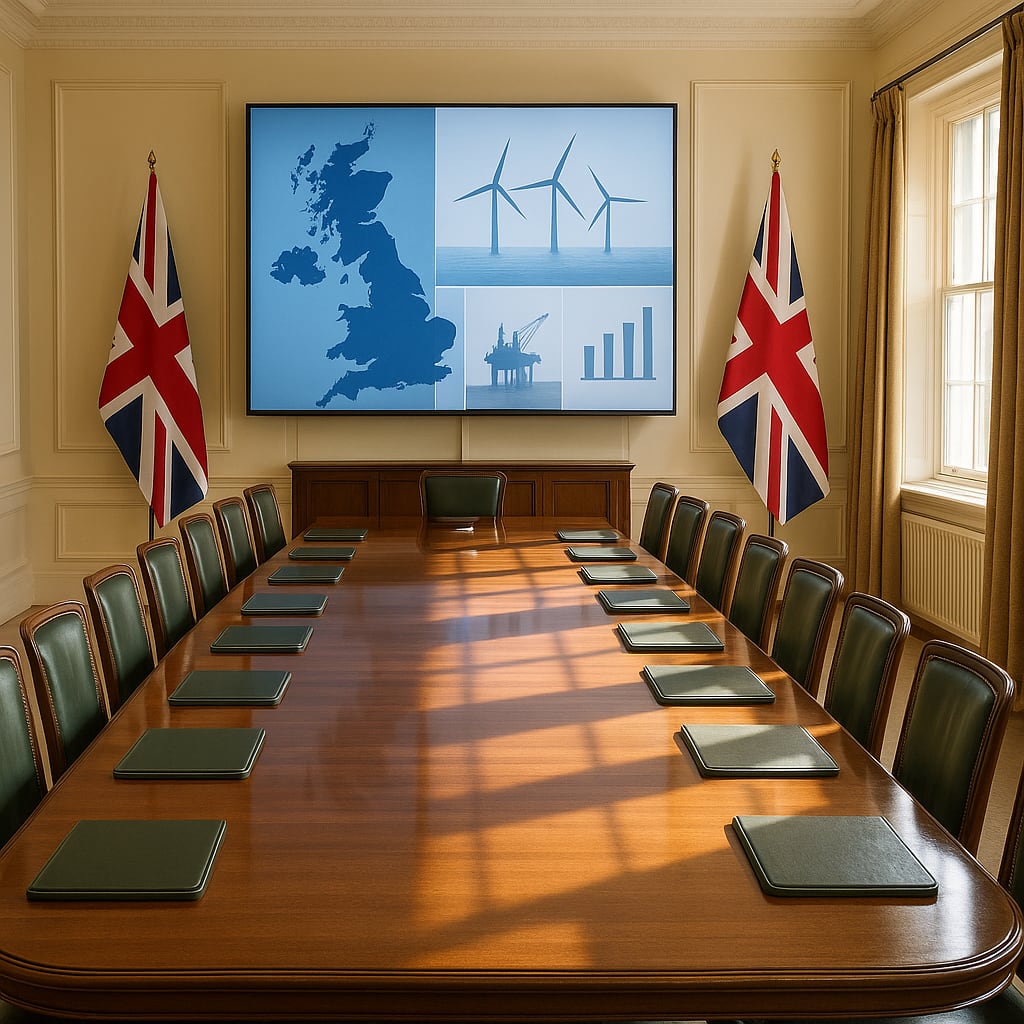
Economic coverage diverges on emphasis. The Toronto Star (AP) underlines the fiscal and political constraints of reviving a slow-growing economy, while The Guardian reports a “Burnham bounce” in consumer confidence linked to his anticipated premiership, football success, and warm weather—suggesting a short-run uptick in sentiment without resolving underlying structural headwinds. On energy, Al Jazeera surfaces the North Sea oilfield decision as Burnham’s first major test, noting that reports of potential approval have energized Donald Trump and split local communities.
Political framing differs sharply by source. The Guardian analyzes how Conservative leader Kemi Badenoch is recalibrating her rhetoric to challenge Burnham on economic competence. RT characterizes Burnham’s rise as a technocrat-driven “coup” inside Labour and portrays his agenda as hype-laden and vague. From Brazil, Folha combines a profile of the new prime minister with a separate note that he has retreated from earlier talk of reversing Brexit, indicating a tempering of integrationist rhetoric not prominent in UK coverage.
What Happened
Andy Burnham took office as UK prime minister on July 20, convened his cabinet the next day, and announced an energy tax cut aimed at easing cost-of-living pressures, according to France24 and Folha. He replaced most of Keir Starmer’s allies with “fresh faces,” including promoting Kanishka Narayan to a cabinet-rank AI post that Narayan said reflects a deep commitment to the sector, The Hindu reported. The Guardian says Burnham revived the national economic council and moved to give regional mayors a leading role in economic policy via a “No 10 North,” describing it as a major power rebalancing. The Toronto Star (AP) notes his early announcements underscore the challenge of reigniting growth. The Guardian also reports a “Burnham bounce” in consumer confidence. Al Jazeera highlights emerging scrutiny over whether his government might allow North Sea drilling. Folha reports he has pulled back from rhetoric about reversing Brexit.
Why It Matters
Burnham’s early steps combine central coordination with territorial devolution, a dual move that could reshape UK economic governance. Reviving the national economic council—first created by Gordon Brown in crisis conditions—signals a return to cross-government economic steering, while giving regional mayors formal roles via “No 10 North” elevates subnational voices in national policy. This institutional blend could influence investment allocation, infrastructure sequencing, and industrial policy, especially as AI is pulled into the cabinet agenda through Narayan’s elevation.
His energy tax cut intersects with inflation and disposable income, but the Toronto Star’s framing of a sluggish growth baseline underscores fiscal and productivity constraints. The North Sea oil decision carries implications for climate targets, energy security, and regional employment patterns, as Al Jazeera reports it is already polarizing locally and attracting international political attention. Folha’s note on Brexit rhetoric affects the parameters for UK–EU engagement, while The Guardian’s coverage of opposition positioning foreshadows a contest over economic competence that will shape legislative bandwidth.
Diverging Narratives
International and domestic outlets frame Burnham’s mandate differently. France24 and The Hindu present a decisive personnel break with Starmer-era alignments and an ideological shift leftward alongside a technocratic emphasis on AI. The Guardian focuses on structural governance reform—reviving the national economic council and empowering mayors—while simultaneously documenting early consumer optimism and an opposition leader crafting a counter-narrative around competence. The Toronto Star (AP) tempers expectations by stressing the hard arithmetic of jump-starting a slow-growing economy.
Al Jazeera isolates energy policy as the immediate stress test, pointing to reported openness to North Sea drilling that excites Donald Trump and divides local stakeholders, highlighting tensions between climate policy and regional economic pressures. Folha reports that Burnham has backtracked from talk of reversing Brexit, diverging from UK coverage that has not foregrounded this shift. RT offers the most critical frame, asserting Burnham’s ascent was a party “coup” and dismissing his program as vague and nostalgia-driven—an interpretation at odds with The Guardian’s emphasis on institutional specificity but indicative of how opponents may question legitimacy and deliverability.
What Happens Next
Three decision points will signal Burnham’s governing trajectory. First, on North Sea drilling, watch for explicit government guidance or licensing steps; Al Jazeera indicates both local division and international political amplification, so any approval or rejection will telegraph priorities on jobs, energy security, and climate targets. Second, on economic management, the composition and cadence of the revived national economic council and the formal mechanisms by which regional mayors shape policy, as detailed by The Guardian, will indicate whether “No 10 North” becomes a durable policymaking locus or a consultative forum.
Third, on external alignment, Folha’s report of a Brexit-rhetoric pullback suggests monitoring statements on EU-related cooperation and market access to gauge the practical ceiling of rapprochement. Parallel signals include the scope of further tax or spending measures beyond the energy tax cut (Toronto Star), the AI portfolio’s first concrete initiatives following Narayan’s promotion (The Hindu), and how Badenoch’s economic-competence messaging reframes parliamentary debates (The Guardian).