
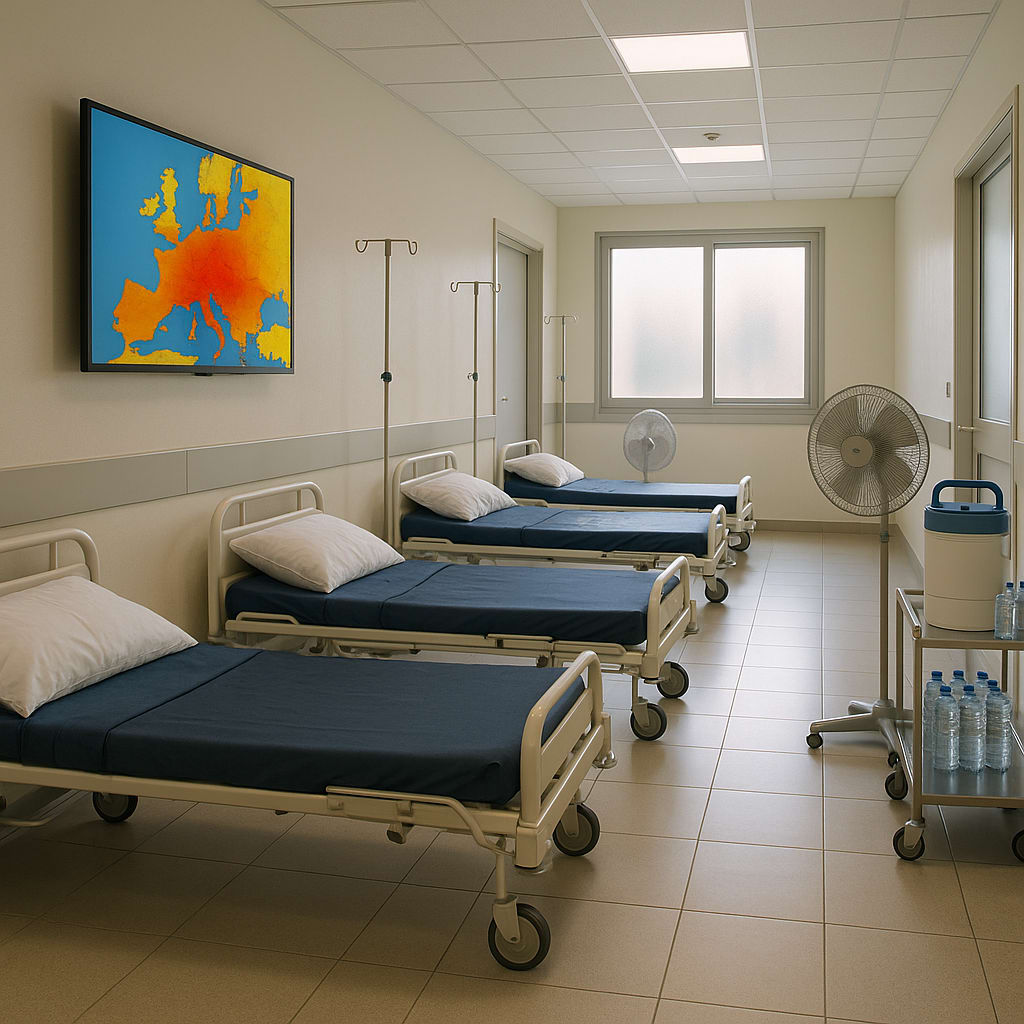
France reports about 1,000 excess deaths during heatwave; WHO counts 1,300+ heat-linked deaths across Europe as records fall
Narrative Snapshot
- Convergence on tolls, split on scope: French and international outlets cite roughly 1,000 excess deaths in France (Le Monde, The Hindu, CBC, Folha de S.Paulo, Al Jazeera), while WHO-linked coverage sets a Europe-wide figure above 1,300 since around 21 June (Le Monde, BBC, DW, ANSA, La Repubblica, Clarín).
- Exposure metrics vary by threshold: AFP-based reporting projects 191 million people facing ≥35C (Al Jazeera, the Guardian), while WHO figures emphasize 150 million under “extreme heat” (ANSA, Clarín).
- Different emphases: French reporting details operational strain (Le Monde on alert levels and a rise in deaths at home; Le Monde 29 June on health-system pressure), SCMP focuses on mortuary capacity in Paris, Japan Times quantifies risk among older adults (85% aged 65+), and BBC/DW/Guardian foreground record temperatures (Germany 41.7C; Czechia 41.1C).
- What’s at stake is framed as capacity and design: health services nearing saturation (CBC), and WHO’s warning that Europe’s homes, workplaces and schools were not built for such heat, with Europe warming fastest globally (Le Monde, La Repubblica, BBC).
What Happened
France’s public health authorities report about 1,000 excess deaths since 24 June during the heatwave (Le Monde; The Hindu; CBC; Folha de S.Paulo; Al Jazeera). Santé publique France notes a marked rise in deaths at home, with frontline clinicians under pressure and fearing further fatalities in the coming days (Le Monde, 29 June). Among the French deaths recorded since midweek, 85% were people aged 65 or older (Japan Times). Météo-France kept two departments (Haut-Rhin, Bas-Rhin) on red alert before shifting them to orange on Sunday night (Le Monde, 28 June). At the continental level, WHO and multiple outlets report more than 1,300 heat-linked excess deaths since about 21 June (Le Monde; BBC; DW; ANSA; La Repubblica; Clarín). Record temperatures include 41.7C in Germany (BBC; DW) and 41.1C in Czechia (Clarín). Paris funeral services report storage saturation amid rising demand (South China Morning Post).
Why It Matters
The episode tests Europe’s heat-risk governance: WHO underscores that the continent is warming the fastest and that its built environment is not designed for sustained high temperatures, contributing to risk in homes, workplaces and schools (Le Monde; La Repubblica; BBC). Health systems flag saturation risks as demand spikes (CBC), while French field reports show disproportionate mortality at home (Le Monde, 29 June) and a high share among older adults (Japan Times). These dynamics intersect with aging demographics and uneven adaptation across regions, raising questions about the adequacy of heat-health action plans, care-at-home protocols, and surge capacity. The cross-border nature—records in Germany and Czechia and alerts across central and eastern Europe (BBC; DW; the Guardian)—implicates coordination of warnings, public communication, and data on excess mortality that WHO is aggregating and national agencies are refining in real time (ANSA; DW; Le Monde).
Diverging Narratives
- Counting windows and denominators: France’s estimate captures roughly 1,000 excess deaths since 24 June (Le Monde; The Hindu; CBC; Folha de S.Paulo), while WHO’s more than 1,300 deaths apply to Europe since around 21 June (Le Monde; BBC; DW; ANSA; La Repubblica; Clarín). These different baselines produce apparent gaps without contradicting one another.
- Exposure framing: AFP’s 191 million figure refers to people experiencing ≥35C (Al Jazeera; the Guardian), whereas WHO-linked reporting cites 150 million under “extreme heat” (ANSA; Clarín). The thresholds and methodologies differ, shaping perceived scale.
- Vulnerability and preparedness: Several outlets foreground WHO’s “silent killer” framing and built-environment limits (Le Monde; La Repubblica; BBC), while French coverage emphasizes immediate operational strain, including at-home deaths (Le Monde, 29 June) and mortuary capacity in Paris (SCMP). Japan Times highlights age-specific vulnerability (85% of deaths 65+), sharpening the focus on social care and isolation.
- Specific metrics on at-home mortality: Le Monde notes an increase without quantifying it (29 June), while La Repubblica reports a 40% rise in deaths at home; the variance reflects different sourcing and underscores the preliminary nature of national tallies.
What Happens Next
- Alert posture and geographic shift: In France, departments have begun downgrading from red to orange (Le Monde, 28 June). Analysts should watch Météo-France updates and whether heat risk shifts east, where record temperatures are anticipated (the Guardian) and German forecasters warn of further extremes (CBC).
- Mortality revisions: Santé publique France’s preliminary figures may evolve as agencies process data; field reports warn of additional deaths in coming days (Le Monde, 29 June). Track updates from national health authorities and WHO’s continent-wide aggregation (ANSA; DW; BBC).
- System capacity signals: Indicators include hospital and emergency-service load (CBC), mortuary logistics (SCMP), and documented rises in at-home deaths (Le Monde, 29 June; La Repubblica). Escalation would point to sustained strain; stabilization alongside alert downgrades would signal relief.
- Risk communication and preparedness: WHO’s messaging on Europe’s structural exposure (Le Monde; La Repubblica; BBC) suggests continued advisories. Monitor whether national services adjust guidance for older adults (Japan Times) and if authorities recalibrate heat alerts and public warnings as temperatures evolve (Le Monde; the Guardian).