
US-Ukraine Peace Talks Continue Amidst Tensions
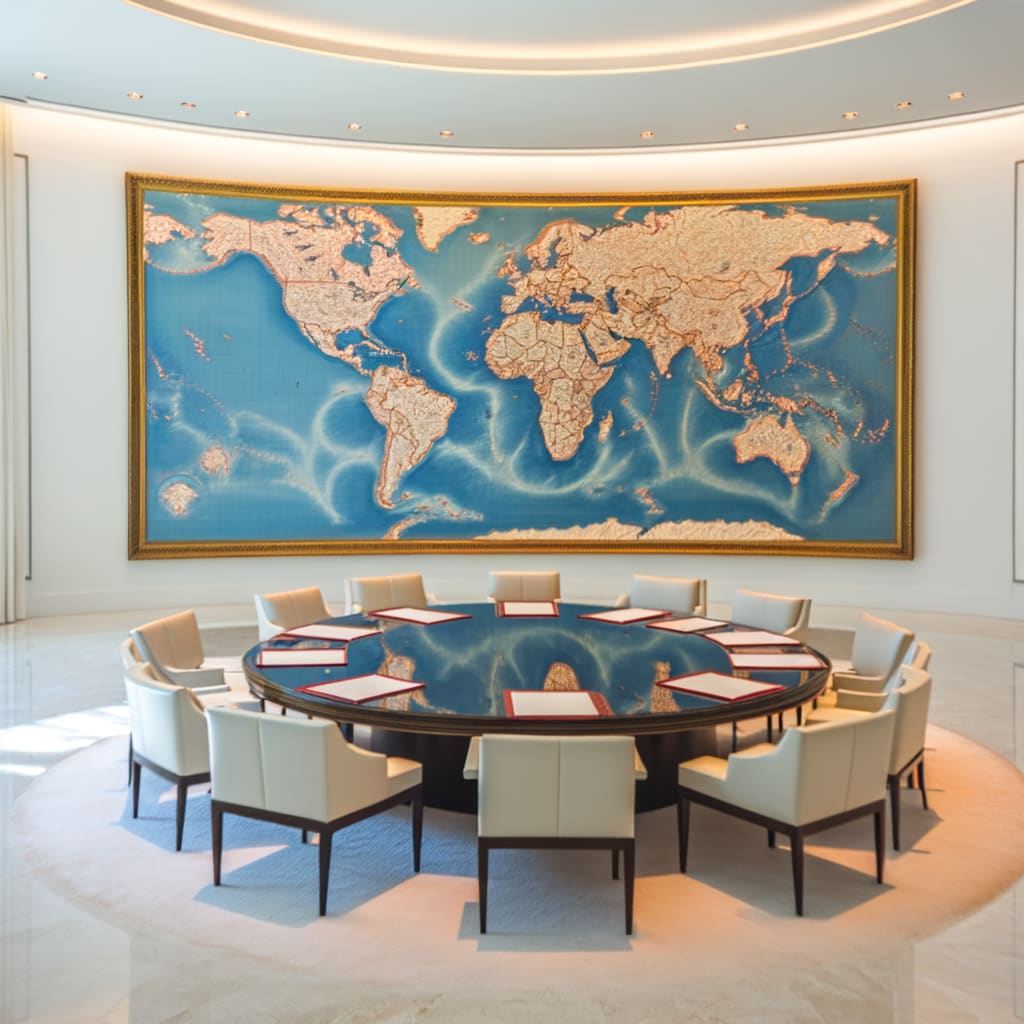
Peace negotiations between the United States and Ukraine continued in Miami, Florida, over the weekend, with both sides working to resolve critical matters involved in the four-year war with Russia. The talks, which were described as constructive
by White House Special Envoy Steve Witkoff, are a part of ongoing diplomatic efforts to end the conflict.
Background and Context
In the wake of reported deaths and power outages in both Russia and Ukraine, the discussions marked an important step in the negotiation process. However, Russian representatives were noticeably absent from the talks, which were initially expected to take place in Abu Dhabi. The absence further highlights the complexities of the ongoing conflict and the urgency of the diplomatic efforts.
Key Developments
During the talks, the Ukrainian delegation, led by President Volodymyr Zelensky, discussed critical matters and the subsequent steps in the negotiation process. Despite remaining in Kyiv, Zelensky has been an active participant in the discussions and has also called on allies to exert pressure on Russia. In a statement, Zelensky expressed optimism about the negotiations, stating, The key question is to understand to what extent Russia is ready to genuinely work towards ending the war.
On the U.S. side, Witkoff emphasized that the meetings had been productive. Following the negotiations, he stated, Constructive meetings with Kiev on suspended issues.
Meanwhile, Jared Kushner, U.S. President Donald Trump’s son-in-law, also participated in the talks.
International Reactions and Implications
The talks have garnered international attention, with various countries and organizations expressing their views on the conflict. The Hungarian Prime Minister's Office, for example, has called on Ukraine to seek peace, claiming that most Ukrainians share this view.
Meanwhile, the leaders of the AfD have urged for the conflict to be resolved through diplomacy, suggesting a peace agreement that includes security guarantees for both parties and the establishment of an international fund to restore territories affected by the conflict.
At the same time, a NATO delegation led by French Admiral Pierre Vandier marked a significant visit to Ukraine, the first at such a high level since the start of the war. The delegation discussed the topic of Ukrainian military participation in future Alliance exercises.
Despite the ongoing conflict, the European Union (EU) has expressed its commitment to providing a controversial loan to Ukraine one way or the other,
as stated by European Commission President Ursula von der Leyen. The €90 billion ($105 billion) emergency loan for Ukraine remains blocked by Hungary due to halted Russian oil flows through the Druzhba pipeline.
Conclusion
As the peace talks conclude, President Zelensky has indicated that a new prisoner exchange is possible, signaling a potential breakthrough in the negotiations. Furthermore, progress has been reported in aligning positions and reducing the number of unresolved issues.
With the peace talks set to continue, it is clear that diplomatic efforts are ongoing, and the international community is closely watching the developments in Ukraine. The resolution of the conflict remains a pressing issue, and the coming days will be crucial in determining the next steps in the negotiation process.