
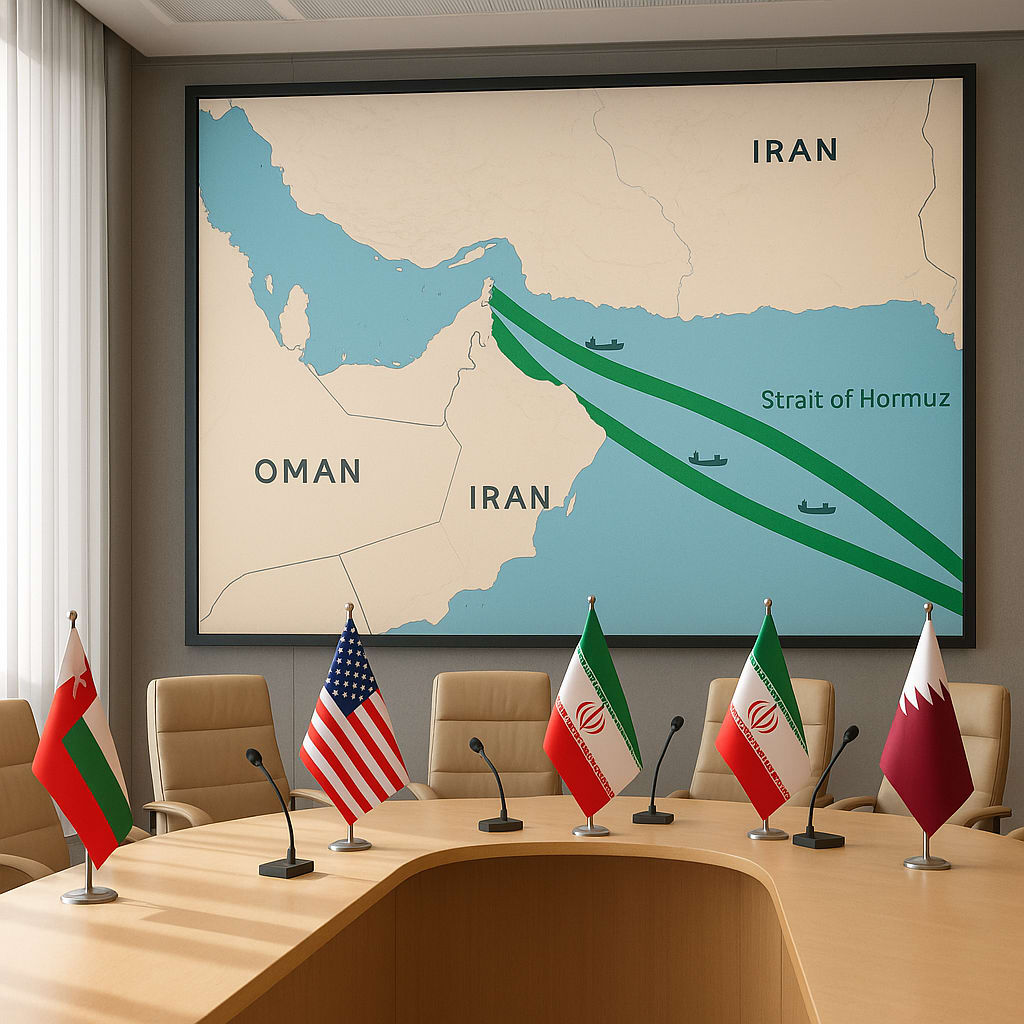
Shipping resumes through Hormuz via Oman’s toll‑free corridors as Iran insists on authorisation and the US rejects any fees
Narrative Snapshot
- Convergence on reopening: Multiple outlets report traffic resumption and easing market risk, with over 70 vessels transiting in a day and oil prices falling to post-war lows (TASS; ANSA; Folha de S.Paulo; Al Jazeera English, Counting the Cost).
- Framing the rules: Gulf and US sources emphasise no tolls and open passage (BBC; Corriere della Sera; The Hindu; Middle East Eye on Oman), while Iranian messaging pairs assurances with control—no toll “tolls” per US accounts but claims to charge for “services,” coupled with warnings that only Iran-designated channels are safe and crossings require authorisation (TASS; Al Jazeera English; IRNA; Middle East Eye).
- Institutional role: The IMO/UN are positioned as operational stabilisers—coordinating evacuation of stranded seafarers and endorsing temporary corridors—while naval demining support is under consideration by partners like Japan (BBC; The Hindu; Middle East Eye; Al Jazeera English).
- Regional diplomacy bifurcates: Oman and Qatar pursue a Gulf-Iran-Iraq negotiation track on reopening and future operation of the strait, explicitly separate from US–Iran peace talks and demining arrangements (Middle East Eye).
What Happened
Oman, working with the International Maritime Organization, established two temporary, toll‑free maritime corridors north and south of the main lane to move vessels out of the Gulf amid security risks (The Hindu; Middle East Eye). The UN/IMO also moved to evacuate thousands of stranded seafarers (BBC; The Hindu, video). The US signalled a red line: Secretary of State Marco Rubio stated no country can levy tolls for transiting Hormuz, during a Gulf visit to reassure allies (BBC; Corriere della Sera; Al Jazeera English). Iran conveyed via the US that it is not charging a “toll,” with President Trump warning talks would end if that proved false (TASS). At the same time, Iran’s IRGC warned that only Iran‑designated channels are safe and unauthorised crossings “will be dealt with” (IRNA; Middle East Eye). Traffic volumes recovered, oil fell to war‑era lows, and war‑risk insurance premiums more than halved (TASS; ANSA; Folha de S.Paulo; TASS citing FT). Japan is weighing minesweeping contributions after a US–Iran ceasefire (Al Jazeera English).
Why It Matters
Hormuz moves roughly a fifth of global oil and gas; reopening lowers immediate price and insurance risk but does not automatically normalise supply chains or consumer prices (Folha de S.Paulo; TASS citing FT; Al Jazeera English, Counting the Cost). The way rules are set now—fees, routing authority, and authorisation—will shape regional maritime governance: Gulf states and Oman are pushing open, toll‑free passage, while Tehran is asserting control over channels and signalling that conditions “will never return” to prewar norms (The Hindu; Middle East Eye; Al Jazeera English). Multilateral capacity is material: the IMO/UN are executing evacuations and enabling safe corridors, and partners like Japan may bolster demining (BBC; The Hindu; Al Jazeera English). Parallel diplomatic tracks—Gulf-led talks with Iran and Iraq, distinct from US–Iran negotiations—highlight a redistribution of convening power within the region (Middle East Eye). Analysts should treat these arrangements as precedents for future chokepoint crises.
Diverging Narratives
- Fees vs services: US and Gulf positions reject any tolls or tariffs (BBC; Corriere della Sera; The Hindu; Middle East Eye on Oman). Iran, according to Al Jazeera, asserts a right to charge for “services” and says the strait “will never return” to prewar conditions, while telling Washington it is not imposing a “toll” (Al Jazeera English; TASS). The semantic gap between “tolls” and “service fees” is a live fault line.
- Who sets the lanes: Oman, with the IMO, announced temporary corridors and no tolls to expedite departures (The Hindu; Middle East Eye). Iran’s IRGC counters that only Iran‑designated channels are safe and warned against unauthorised crossings, implying a requirement for Iranian approval (IRNA; Middle East Eye). This creates operational ambiguity for mariners and flag states.
- Normalisation metrics: The US energy secretary cites recovered flows and >70 daily transits (TASS), insurers have cut war‑risk premiums (TASS citing FT), and oil prices have dropped (ANSA; Folha de S.Paulo). Yet maritime operators face accumulated technical, operational and human challenges after months at anchor, and the IMO/UN are still evacuating crews (The Hindu; BBC). Al Jazeera cautions consumer relief may lag (Counting the Cost).
- Diplomatic architecture: Qatar’s PM met Omani leaders to launch a Gulf–Iran–Iraq track on reopening and future operation of the strait, explicitly separate from US–Iran peace and demining talks (Middle East Eye). This segmentation contrasts with Washington’s security framing through ceasefire enforcement and minesweeping partners like Japan (Al Jazeera English).
What Happens Next
- Fee regime and terminology: Watch for any Iranian regulatory notices or public pricing schedules describing “service fees,” and for coordinated Gulf statements rejecting any charges. An explicit Iranian fee schedule would test US and Gulf red lines (Al Jazeera English; BBC; Corriere della Sera; Middle East Eye).
- Route governance: Monitor Notices to Mariners from Oman/IMO versus Iranian directives from the IRGC. Convergence would stabilise traffic; parallel or conflicting guidance raises collision and enforcement risks (The Hindu; IRNA; Middle East Eye).
- Authorisation and enforcement: The IRGC has warned vessels will be “dealt with” if unauthorised (Middle East Eye; IRNA). Indicators include boardings, detentions, or radio warnings in contested lanes, and any allied naval escorts or advisories in response.
- Security clearance: Japan’s decision on minesweeping and the scope/timeline of demining operations will shape how quickly standard routing can resume (Al Jazeera English).
- Market and risk signals: Traffic counts from energy authorities, further shifts in war‑risk premia, and oil price responses will indicate whether operational reopening translates into durable risk repricing (TASS; TASS citing FT; ANSA; Folha de S.Paulo).
- Diplomacy tracks: Outcomes from Oman–Qatar–Iran–Iraq consultations, which are separate from US–Iran talks, will show whether a regional operating framework (including on fees) is reachable (Middle East Eye).