
Israel Strikes Southern Lebanon Amid Tensions with Hezbollah
In a series of escalating tensions, Israel has carried out multiple strikes on southern Lebanese towns including Jbaa, Mahrouna, al-Majadel, and Braashit, marking an expansion of military aggression beyond Gaza. The Israeli army had previously issued direct threats to strike these towns, claiming they house parts of Hezbollah's military infrastructure. This comes amid accusations that Hezbollah is rearming in violation of a truce that took effect in November 2024.
Background and Context
The Israeli army, represented by spokesman Avichay Adraee, issued warnings to residents near the targeted towns to evacuate and maintain a safe distance from certain marked buildings. The military alleges that these buildings are part of Hezbollah's infrastructure, although these claims lack independent verification. The strikes commenced shortly after these warnings, with Lebanon's National News Agency confirming the operations.
The recent strikes come in the wake of a significant shift in talks between Israel and Lebanon. Notably, Beirut expressed readiness to extend discussions beyond security matters and appointed civilian representatives to the US-led ceasefire monitoring committee.
Increased Israeli Aggression
The strikes targeted multiple buildings in residential areas, causing extensive damage. Video footage captured one of the strikes in al-Majadel, confirming the severity of the attacks. The Israeli army has also stated that it has additional targets marked in southern Lebanon, signaling that more attacks are forthcoming.
A report from Lebanon's National News Agency revealed that an Israeli quadcopter launched explosives on a home in Aitaroun, Southern Lebanon, adding to the tally of nearly 10,000 Israeli ceasefire violations recorded in Lebanon over the past year.
Global Reactions and Implications
The UN peacekeeping mission in Lebanon (Unifil) has condemned the airstrikes, stating they constitute a clear violation
of UN Security Council Resolution 1701. The Pope, during his visit to Lebanon, also called for an end to attacks and hostilities
, although he did not mention Israel or Hezbollah explicitly.
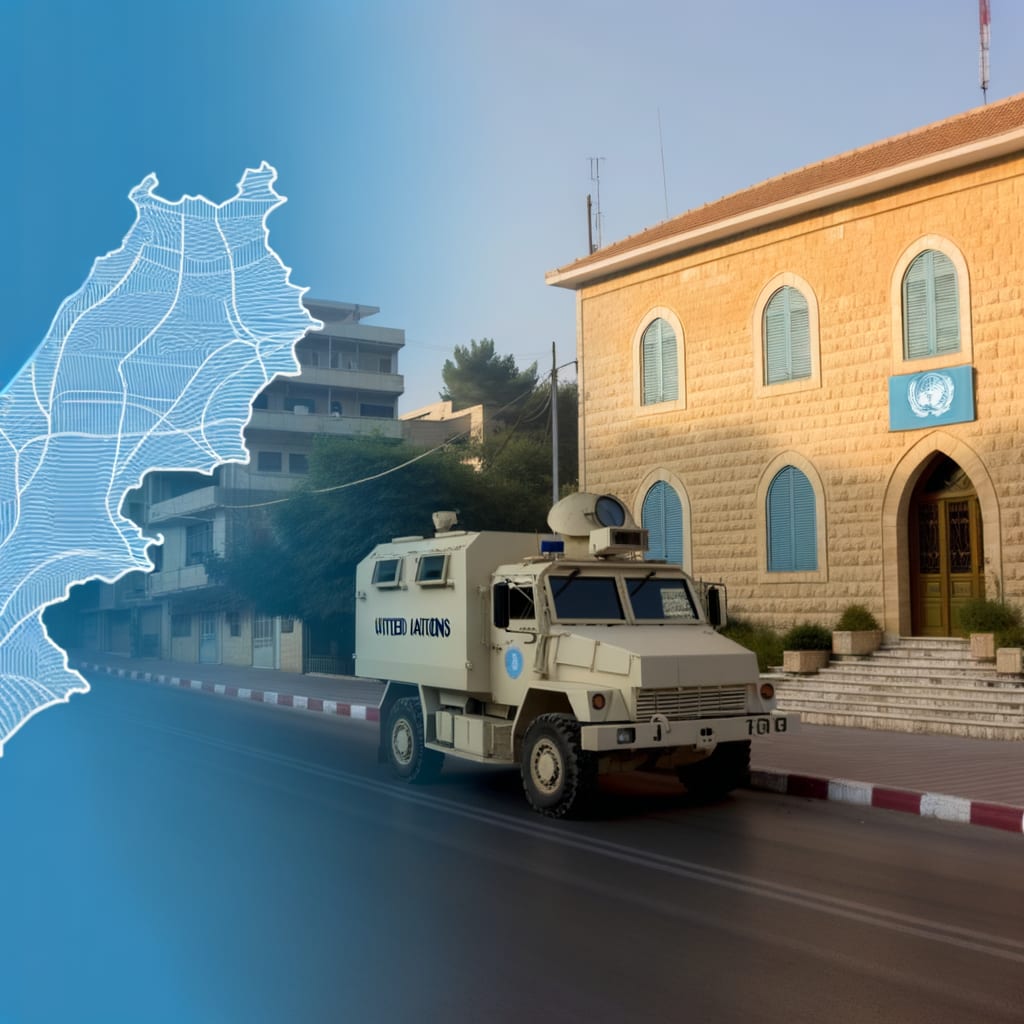
In an unprecedented move, civilian representatives from Israel and Lebanon held their first direct talks in decades. This meeting, part of a year-old ceasefire monitoring mechanism, took place at the UN peacekeeping force’s headquarters in Naqura, Lebanon. Morgan Ortagus, the US special envoy for Lebanon, also attended the meeting, further emphasizing the US's role in mediating between the two countries.
Current Status
Despite the ceasefire and the recent direct talks, Israel's military aggression towards Lebanon continues unabated. Hezbollah has urged Pope Leo XIV to reject Israeli injustice and aggression
during his visit to Lebanon, and the Lebanese government, under US pressure, has committed to disarming Hezbollah, a move the group has rejected.
As the situation stands, the continuing Israeli strikes and the increasing tensions with Hezbollah pose a serious challenge to the stability of the region, and the efficacy of the ceasefire agreement is under question.