
Tehran enforces “approved routes” in Hormuz as traffic resumes and global responses harden
Narrative Snapshot
- Iranian outlets (IRNA, Tehran Times) center sovereignty and military performance, insisting Hormuz navigation is under Tehran’s command and a strategic asset, while rejecting US-led security initiatives in the Gulf.
- International reporting foregrounds operational risk and market effects: warnings to tankers (CBC, Middle East Eye), resuming flows and potential oil surplus (Al Jazeera), sectoral stress in aviation (Le Monde), and vulnerable-economy exposure flagged by a UN trade agency (Folha de S.Paulo).
- Policy lines are crystallizing but not aligned: Washington presses for free passage and warns at the UN (Middle East Eye); parts of Europe weigh transit fees and a mine-clearing coalition (TASS); G20 sherpas anticipate energy discussions (TASS).
- On-the-water realities are mixed: ships are moving (The Hindu; TASS on Saudi flows), yet seized vessels remain visible in Bandar Abbas (BBC), and crews report ongoing risk (CBC).
What Happened
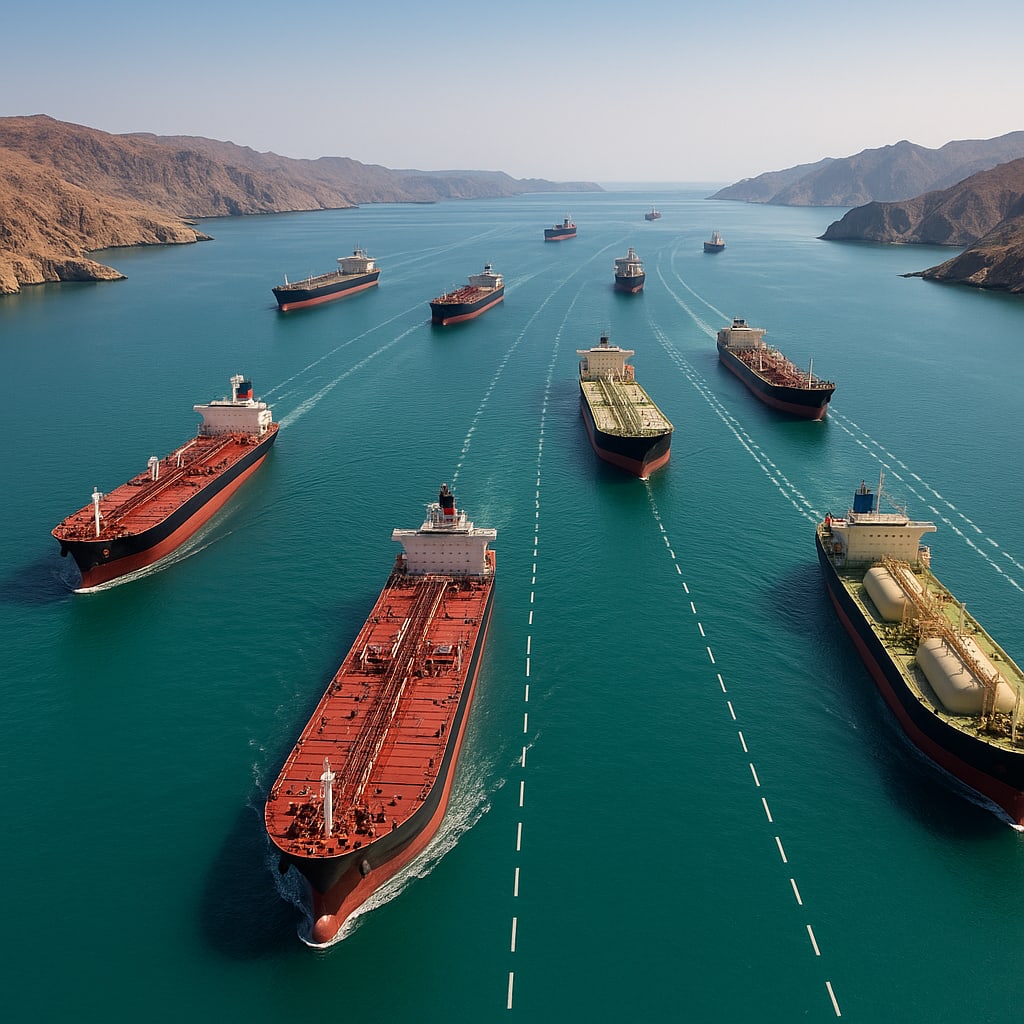
Iran’s joint military command warned oil tankers transiting the Strait of Hormuz to use “approved routes” or face a “forceful response,” adding that interference by US forces would meet a rapid reaction (CBC; The Hindu; Middle East Eye; Al Jazeera, July 3). Senior officials reinforced the position: Parliament Speaker Mohammad Baqer Qalibaf said Iran would not give up control of Hormuz (Tehran Times), and a deputy foreign minister asserted the strait is defined under Iran’s command, not Washington’s, rejecting a US CENTCOM meeting in Bahrain (IRNA). At an emergency UN Security Council session requested by Bahrain after Iranian strikes, the US envoy warned that closing international waterways is unacceptable (Middle East Eye). TASS, citing the Wall Street Journal, reported a US offer of access to frozen funds for free passage that Tehran rejected. Despite tension, traffic resumed: an Indian LPG carrier exited after weeks stranded (The Hindu), and Saudi Arabia sent its largest oil shipment in four months (TASS), while the BBC observed seized ships still in Bandar Abbas.
Why It Matters
The episode tests how far a coastal state can assert operational control over a chokepoint central to global energy flows while major powers press for free passage (TASS). It reopens unresolved questions about Gulf maritime security architecture: Iran’s rejection of US-led frameworks (IRNA) contrasts with European consideration of fees and an international mine-clearing coalition (TASS), and energy issues are set to surface in G20 deliberations (TASS). Economically, resumed transit introduces volatility: reports weigh a potential oil glut (Al Jazeera) against evidence of continued sectoral strain—high kerosene prices and weakened airline margins (Le Monde)—and UN trade officials warn that vulnerable economies remain exposed to elevated food and fuel costs even after reopening (Folha de S.Paulo). For Asia’s importers, the war underscored structural dependency—Japan received over 93% of its oil via Hormuz (Japan Times)—without yet changing energy portfolios.
Diverging Narratives
Iranian sources frame actions as defensive and sovereign: praise for the navy’s wartime role (IRNA), insistence that Hormuz is under Tehran’s command (IRNA), and that control of the strait is a core strategic asset (Tehran Times). By contrast, US and allied messaging emphasizes open transit and warns that closure is unacceptable, including at the UN Security Council (Middle East Eye), with reporting that Washington even floated access to frozen funds in pursuit of free passage (TASS). Coverage also splits on economic interpretation: Al Jazeera suggests the reopening risks tipping markets into surplus, while Le Monde highlights continuing cost pressure on aviation and Folha de S.Paulo cites a UN agency warning of lasting burdens on vulnerable economies. On the ground, the picture is mixed: ships are moving (The Hindu; TASS), yet seized vessels remain in Bandar Abbas (BBC), and crews describe ongoing peril (CBC). Regionally, mediation tracks are noted—Qatar sees “positive progress” in indirect US–Iran talks (Al Jazeera), while the SCMP points to a Pakistan-brokered agreement and an April ceasefire whose fragility is underscored by renewed warnings and sporadic exchanges.
What Happens Next
- Enforcement vs. free passage: Watch whether Iran boards or detains ships that deviate from “approved routes” (CBC; Middle East Eye; The Hindu) and whether external actors organize mine-clearing or escort frameworks; European deliberations on transit fees and a coalition (TASS) and any CENTCOM-led coordination will signal trajectory.
- Negotiation channel: Indicators include follow-up to the reported US offer on frozen funds (TASS), statements from Tehran’s negotiators (Tehran Times; IRNA), and Qatari mediation updates (Al Jazeera, July 3). A tempering of route-enforcement rhetoric would be notable.
- Market balance: Monitor tanker counts through Hormuz (TASS on Saudi volumes; The Hindu on Indian carriers), refined-product prices (kerosene trends highlighted by Le Monde), and guidance from major importers like Japan (Japan Times).
- Safety and legal exposure: Track the status of seized ships in Bandar Abbas (BBC), mariner evacuations and insurance terms (CBC), and any UN Security Council follow-on actions (Middle East Eye).
- Multilateral agenda: G20 energy discussions and any formal EU position will shape cost-sharing and operational norms (TASS).