
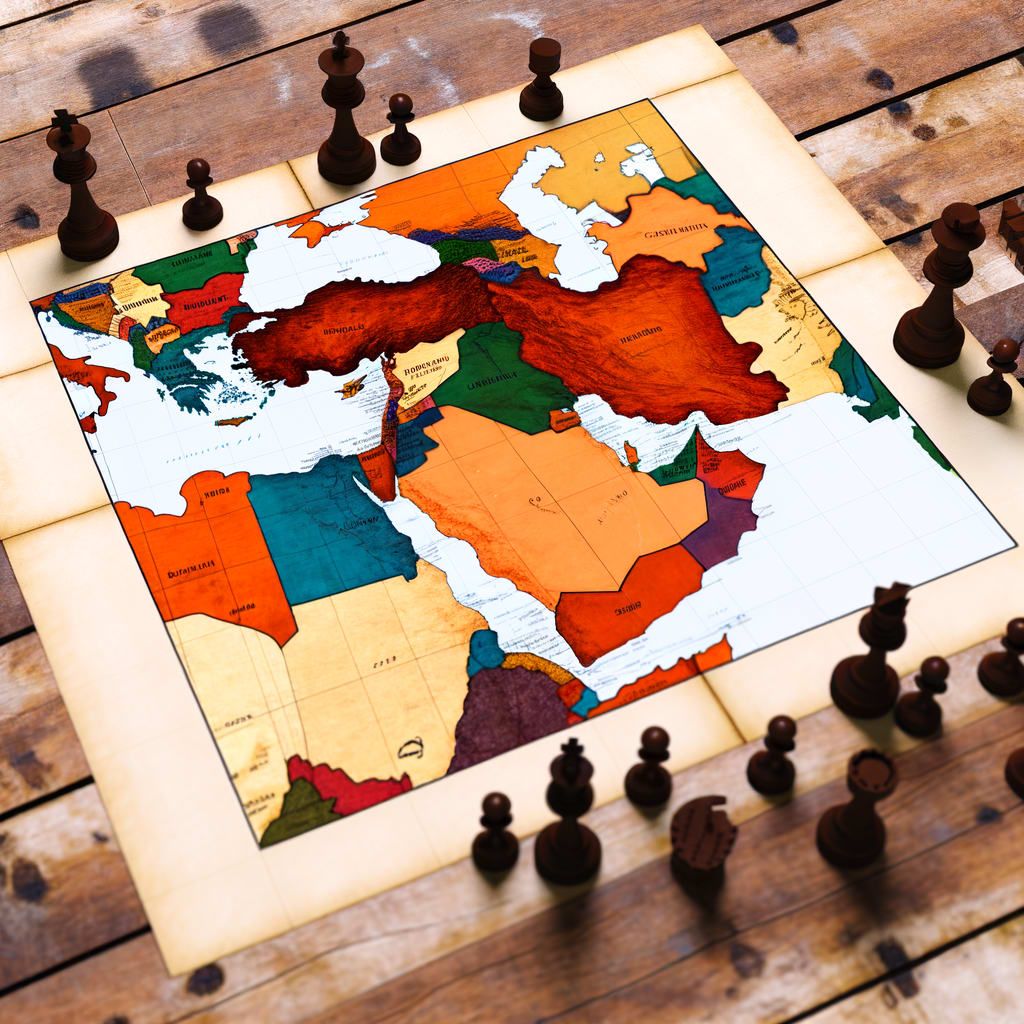
Iran Under Siege: A Saga of War, Politics, and Strained Global Relations
In the wake of devastating attacks on Iran, the Middle Eastern nation finds itself in the center of a geopolitical storm, navigating a complex landscape of internal struggles, regional tensions, and international criticism. A series of sources shed light on the circumstances, providing a multi-faceted perspective on the current situation.
Historical and Political Context
The Islamic Republic of Iran, established in 1979, was the result of a political ferment that saw a significant contribution from the Iranian left, as highlighted by philosopher Stéphanie Roza and political scientist Amirpasha Tavakkoli in an interview with Le Monde
. This established the Shia sect as the state religion, while also recognizing Christian, Jewish, and Zoroastrian minorities.
However, the project created by Khomeini faces severe challenges today. The brutal crackdown on protests against the regime in January has resulted in a loss of hope for internal reform amongst Iranians, as reported by Folha de S.Paulo. The Revolutionary Guards of Iran, omnipresent in military, political, and economic affairs, are often considered the main obstacle for any change, according to Clarin.
Escalating Tensions and Attacks
The Tehran Times
reports that chancellors of 15 top Iranian universities have called upon their global counterparts to condemn illegal U.S.-Israeli attacks on the country. These attacks and the resulting government oppression have led to a cumulative trauma among Iranians, as reported by Deutsche Welle. According to the Middle East Eye, Iran has retaliated with warheads weighing over one ton against Israeli-US targets, as stated by the Islamic Revolutionary Guard Corps (IRGC).
Simultaneously, Iran's security chief Ali Larijani has warned of an alleged 9/11-style plot to blame Tehran, reports the Middle East Eye, a claim that has been mocked by US officials. Amidst this exchange of accusations, the United Nations Security Council has demanded Iran to stop attacks on Gulf states. This resolution has been criticized by Iran for not mentioning US or Israeli strikes, as reported by the South China Morning Post.
Regional Impact and Global Reactions
The ongoing situation has significantly strained Iran's relations with its neighbors. Iran has denied carrying out any attacks towards Turkey or Azerbaijan, as stated by Iran's foreign ministry spokesperson Ismail Baghaei. This comes amid reports that ships in the Gulf are claiming links to China to evade Iran's attacks, as revealed by the South China Morning Post.
Internationally, the US-Israeli war on Iran has been viewed as a farce of global governance rules, with profound implications for the global governance order, as per the South China Morning Post. Meanwhile, families of US military personnel express fears over a potential war with Iran, as reported by BBC News.
Conclusion
As Iran battles internal unrest, regional tensions, and international scrutiny, the nation stands at a crossroads. The current crisis not only threatens its socio-political fabric but also challenges the global governance order. The situation continues to evolve amidst escalating tensions and diverging narratives, calling for a comprehensive understanding of the complex dynamics at play. The future course of events remains uncertain, with potential implications for Iran and the broader geopolitical landscape.