
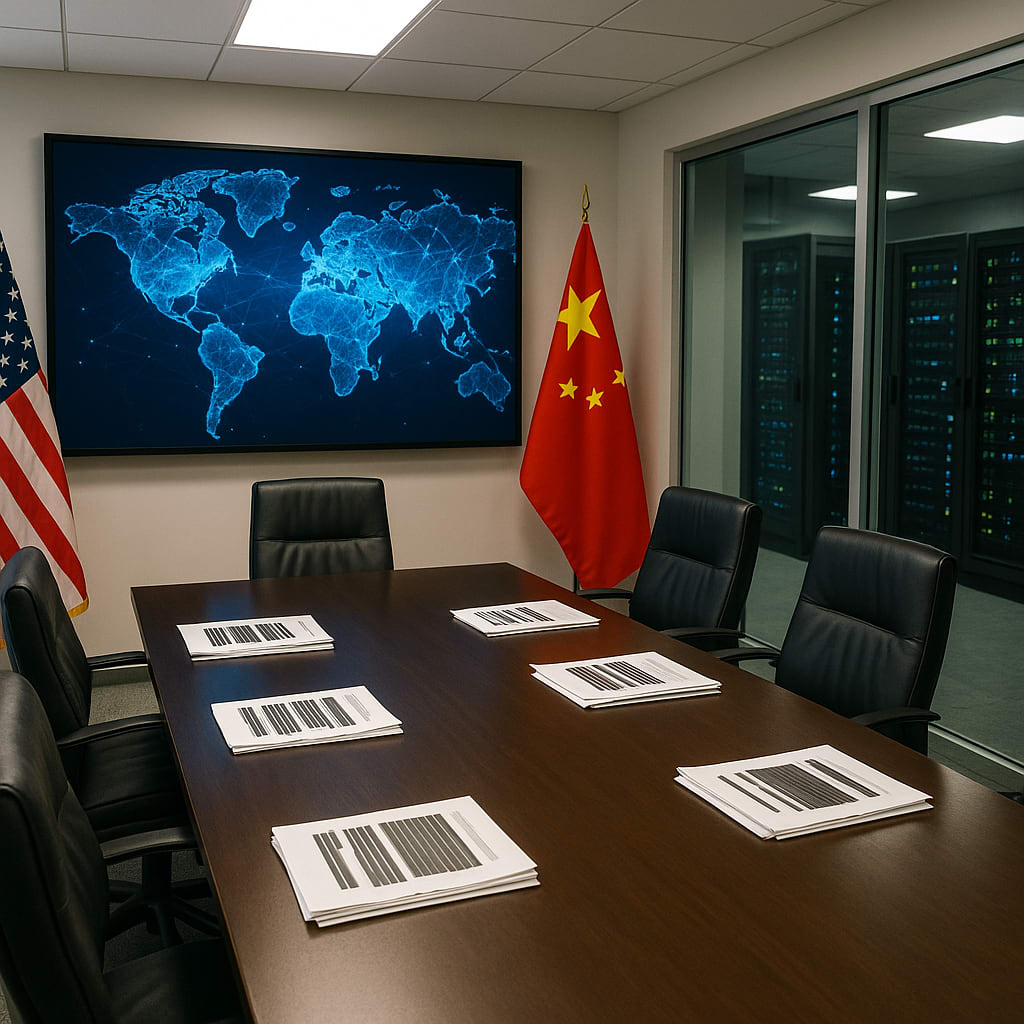
Trump uses primetime address to allege Chinese compromise of 2020 US voter data and vows declassification; coverage highlights contradiction with prior US intelligence findings
Narrative Snapshot
Across international outlets, reporting converges on the scale and intent of the claims and the promise to declassify intelligence, while diverging on credibility and context. European and Latin American coverage foregrounds the headline assertions and numbers: Italian dailies highlight Trump’s description of the “largest” compromise of US election data and the figure of 220 million affected records, paired with his pledge to publish supporting documents (La Repubblica; Corriere della Sera; ANSA). Brazil’s Folha underscores that the White House posted materials and characterizes the speech as laden with conspiracy theories (Folha de S.Paulo).
Anglophone outlets place the address against the established record. France24 and the BBC note that Trump repeated longstanding accusations despite courts, audits, and his Justice Department finding no evidence that fraud altered results, and that his account contradicts earlier US intelligence assessments (France24; BBC). The New York Times adds that access to voter data would not, by itself, enable vote manipulation (New York Times). Sky News and Al Jazeera emphasize critical reactions calling the claims “totally bogus” or misleading (Sky News; Al Jazeera English). Japan-focused reporting ties the move to an effort to make election security a central theme ahead of the midterms (Japan Times), while NHK says US media depicted the assertions as reviving unsubstantiated claims (NHK World).
Coverage on Fox News departs markedly, centering on Trump’s allegations of a “shadow government” within the intelligence community, citing newly declassified emails and claiming an internal dispute over how to characterize China’s activities, including an alleged attempt to manufacture illegal ballots; it also notes that some major US networks declined to air the speech live (Fox News; Fox News). Regional outlets record Beijing’s categorical denial (Politika) and provide straight summaries of the address without extended adjudication (Bangkok Post; Deutsche Welle).
What Happened
In a nationally televised address, President Donald Trump alleged that China compromised US election-related data beginning around the 2020 presidential race and claimed more than 220 million voter records were obtained, calling it the largest such breach in US history (France24; Corriere della Sera; ANSA). He said he would declassify intelligence documenting “shocking vulnerabilities” and directed publication of materials on the White House website (La Repubblica; Folha de S.Paulo). Multiple outlets stressed that Trump’s assertions run counter to prior findings by US courts, audits, and his Justice Department, which found no evidence of fraud that changed the 2020 outcome, and to earlier intelligence community assessments (France24; BBC; Japan Times). The New York Times reported that possession of voter data would not enable vote manipulation. Fox News highlighted Trump’s claim that elements of the intelligence community concealed reporting and that he alleged an influence campaign rather than vote-changing. Beijing denied interference (Politika).
Why It Matters
The episode sits at the intersection of election security, information operations, and the politicization of intelligence. By asserting a sweeping Chinese compromise and ordering declassification, the White House is placing intelligence reporting and tradecraft into public partisan contention, with some coverage noting direct contradiction with prior US intelligence assessments and judicial outcomes (BBC; France24; Japan Times). For election administration, the focus on mass access to voter records—paired with the New York Times’ reminder that such data do not enable ballot manipulation—highlights a recurrent challenge of distinguishing privacy and influence risks from tabulation integrity (New York Times).
Media decisions not to carry the speech live, reported by Fox News, underscore diverging editorial thresholds in a contested information environment. Internationally, categorical Chinese denials reported in Serbian media point to a familiar US–China messaging clash likely to reverberate in bilateral narratives about interference and sovereignty (Politika). For policymakers, the immediate implications center on how declassification is executed and contextualized, and whether official assessments are reaffirmed or reframed in the run-up to the midterms (La Repubblica; Japan Times).
Diverging Narratives
Trump’s narrative, amplified in Fox News coverage, frames China’s actions as the largest compromise of US election data, asserts that internal intelligence actors downplayed or concealed reporting, and emphasizes influence operations over direct vote alteration. Fox cites newly declassified emails, including an alleged NSA note about “massaging” a briefing, and reports Trump’s reference to CIA and FBI intelligence, including a claim that China attempted to manufacture illegal ballots for Joe Biden, while noting he did not allege votes were changed (Fox News; Fox News).
Mainstream international outlets counter with process-based context. France24 and the BBC recall that courts, audits, and the Justice Department found no evidence of fraud that changed 2020 results, and both the BBC and Japan Times state his assertions contradict previous US intelligence findings (France24; BBC; Japan Times). The New York Times adds a technical clarification that possession of voter data would not permit manipulation of votes (New York Times). Sky News characterizes the claims as “totally bogus,” and Al Jazeera reports critics called the address misleading (Sky News; Al Jazeera English). NHK reports US media viewed the speech as reviving unsubstantiated allegations (NHK World). Meanwhile, Politika reports Beijing’s denial, maintaining a line China has taken previously regarding US election meddling accusations (Politika).
What Happens Next
Two near-term inflection points are explicit in the coverage. First is the scope and specificity of the promised declassification and publication: Trump and several outlets say documents would be released via the White House, with Fox News highlighting internal emails and disputed characterizations; analysts should watch what is disclosed, how much underlying sourcing is provided, and whether agencies publicly contextualize or reaffirm prior assessments (La Repubblica; Folha de S.Paulo; Fox News; BBC). Second is political uptake. The Japan Times reports Trump aims to make election security a central midterm theme, while Fox notes some networks declined to air the address, signaling divergent media approaches; subsequent campaign messaging and editorial decisions will shape how the claims circulate (Japan Times; Fox News).
Externally, Politika records Beijing’s denial; any further Chinese or US government statements will indicate whether this escalates into a broader diplomatic exchange over interference narratives (Politika).