
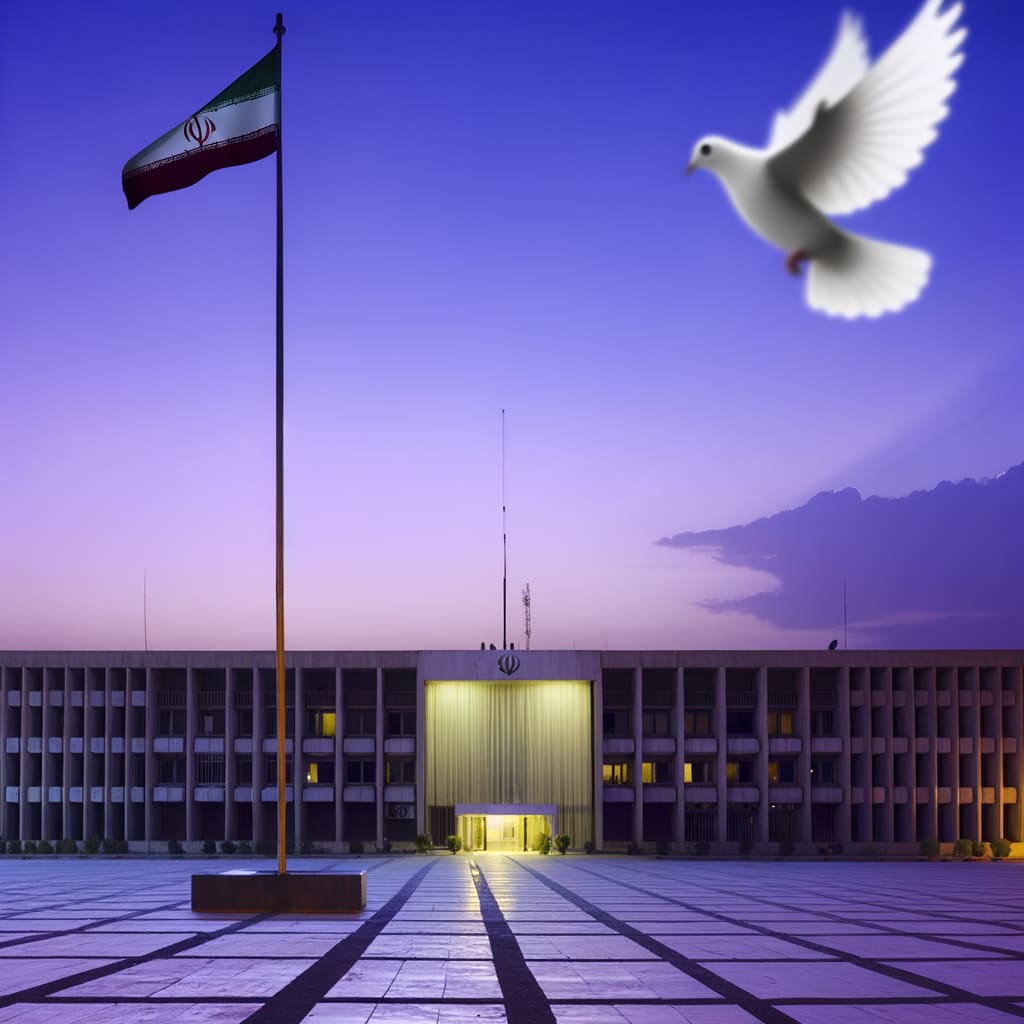
Uncertain Future for Iran Following the Death of Khamenei
In an unexpected turn of events, Supreme Leader Ayatollah Ali Khamenei was reported killed in a coordinated US-Israeli strike, sparking a wave of uncertainty for Iran’s entrenched theocracy and creating an intense power vacuum. The future of Iran's regime hangs in the balance as it embarks on a high-stakes succession race while simultaneously dealing with potential internal ruptures and external retaliations.
An Abrupt End to a Long Reign
Iran's state media confirmed the death of Ayatollah Ali Khamenei, a critical figure in Iranian politics for over four decades. The Supreme Leader’s death abruptly ends over three decades of authoritarian rule, exposing the Islamic Republic to possible systemic collapse or military takeover. Along with Khamenei, his daughter, son-in-law, and grandson were also reported killed in the strike.
The Challenge of Succession
Iran's theocracy is now working to demonstrate its resilience, taking the first steps towards the succession of Ali Khamenei. The focus is on the Revolutionary Guard, which has long been seen as the true center of power in Iran. However, its future strength remains uncertain as it deals with potential battlefield losses and internal frictions.
While some analysts predict an eventual systemic collapse, others suggest the regime may endure, with a possibility of managed regime continuity or an overt military takeover. As one senior Arab diplomat noted, Mere survival, at this point, would be considered a victory.
Divided Reactions and Potential Ramifications
The death of Khamenei has elicited mixed reactions both domestically and internationally. By night, there were celebrations and cries of joy from Iranians hoping it marks the end of clerical rule. By day, mourning crowds gathered in Tehran and Isfahan, demanding retribution and bewailing the loss of the sacred leader.
The global community has also reacted with varying degrees of jubilation, anger, or trepidation to the news of Khamenei's death. A badly weakened Iran will no longer intimidate or threaten its neighbors in the same way, with some analysts suggesting the impact on the region could be comparable to the collapse of the Soviet Union.
However, experts warn that the future path is uncertain, with a risk of triggering further radicalization or deeper violence. The Iranian regime's survival may result in a changed Middle East, but the exact nature of this change remains to be seen.
A Shaky Future
With the sudden death of Khamenei, the future of Iran's regime hangs in the balance. The power vacuum left behind could potentially birth a more aggressive leadership, while the threat of a systemic collapse looms large.
As Iran's surviving leaders scramble to project security amidst continued US and Israeli strikes, the coming days will indeed be critical in determining whether the regime can hold out through this turbulent period.