
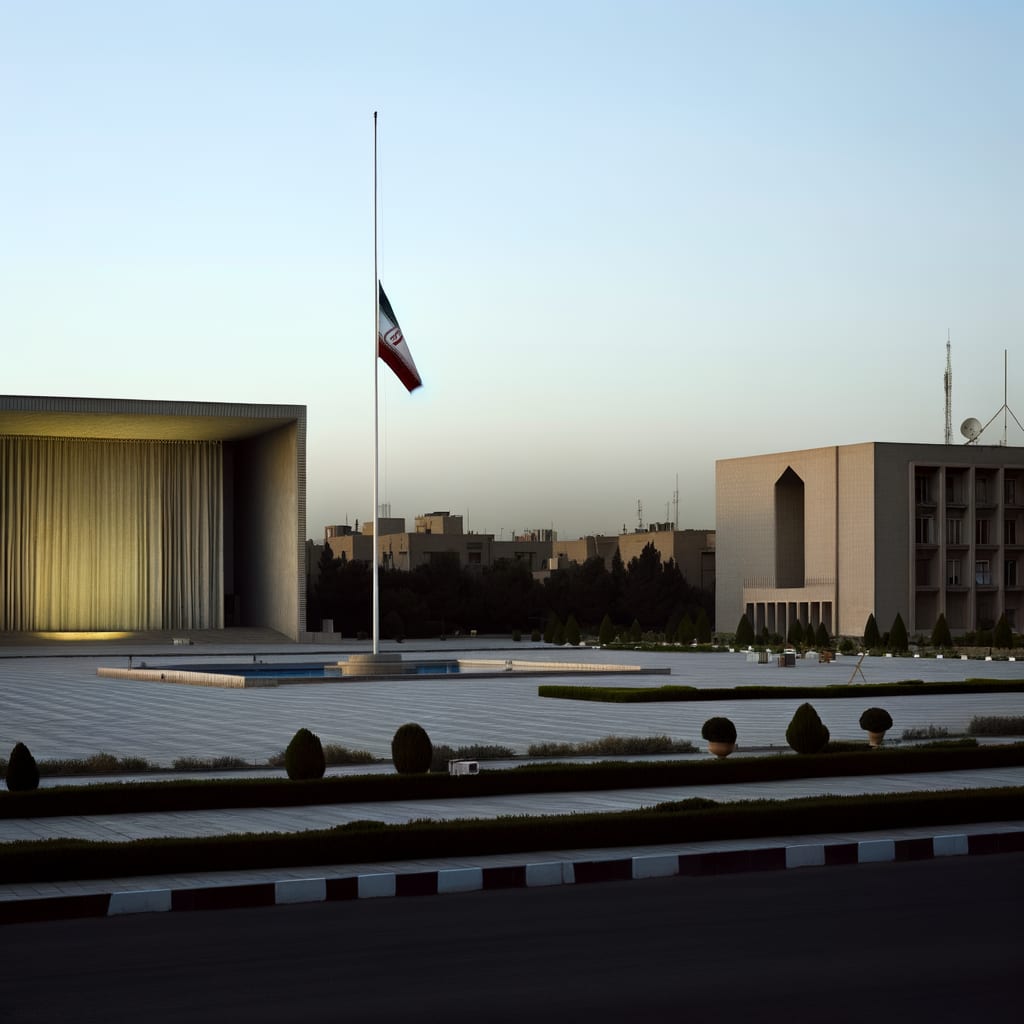
Iran's Supreme Leader Khamenei Dead: Conflicting Reports Amidst US-Israeli Strikes
In a series of events surrounded by conflicting reports and denials, Iran's Supreme Leader Ayatollah Ali Khamenei has been claimed dead following a joint US-Israeli military strike. The claim was initially made by the Israeli Prime Minister Benjamin Netanyahu and later backed by US President Donald Trump. However, Iranian state-linked media and officials have vehemently denied these assertions, calling them psychological warfare
.
Background
The situation escalated when Israel, in a surprise attack, targeted the complex of Khamenei in Tehran. Netanyahu, later on, asserted that there were many signs of Khamenei's death in the attack, a claim echoed by Trump. Despite these claims, Iranian officials and state-linked media continued to deny the reports, asserting Khamenei remains “steadfast and firm in commanding the field.”
Contrasting Claims and Official Denials
Reports of Khamenei's death have been met with a mixture of acceptance and denial. Trump, in a post on his Truth Social platform, declared that Khamenei is dead, adding that his death had delivered justice not only for the people of Iran, but for all Great Americans.
In contrast, Iran’s Foreign Minister Abbas Araghchi dismissed the reports, stating that “as far as I know” the Supreme Leader and other senior officials remain in good health.
The head of public relations for the Office of the Supreme Leader termed these reports as part of “psychological warfare” conducted by Iran’s enemies. Tehran views the reports as part of a psychological campaign rather than confirmed fact.
Consequences and Reactions
In light of these events, a senior Iranian official declared that everything American or Israeli has become a legitimate target for the Iranian armed forces.” Tehran has also reportedly engaged in
intensive contacts with regional countries to prevent the collapse of regional security.”
On the other end of the spectrum, Trump’s unilateral decision to launch strikes against Iran has met a mixed response in Congress, with Democrats seeking to stop the campaign under the 1973 War Powers Act.
The military action and the alleged killing of Khamenei have raised questions about their potential impact on the ongoing US-Iran nuclear talks in Geneva, with some holding slim hopes for a breakthrough.
Current Status
In the latest development, Iranian state media finally announced the death of Iran's Supreme Leader, Ayatollah Ali Khamenei, after contradictory reports of the killing. This announcement confirmed the claims made by Netanyahu and Trump.
This turn of events marks a significant moment in US-Iran relations and the broader Middle East. The implications of these strikes and the alleged death of Khamenei are yet to fully unfold, as the world watches closely.