
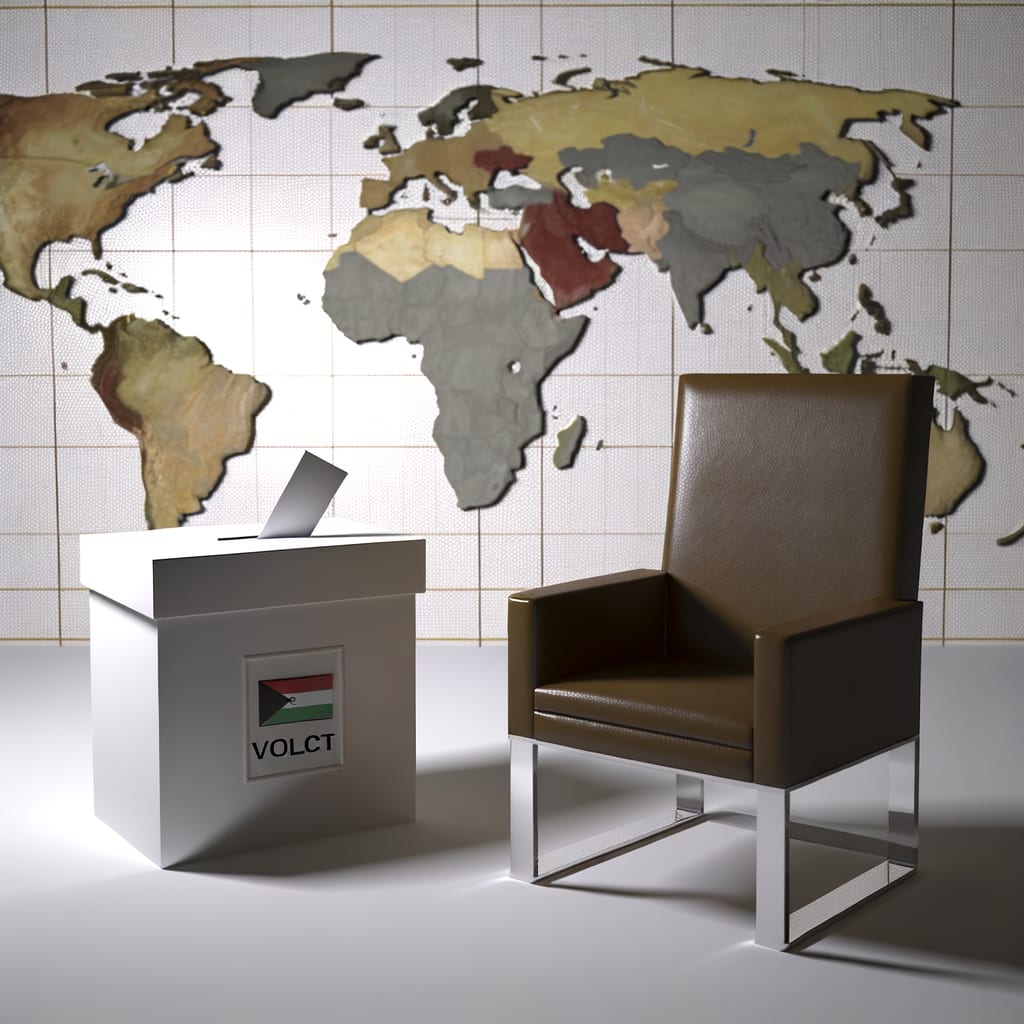
Trump Demands Involvement in Choosing Iran's Next Leader Amid Increasing Tensions
In the wake of Supreme Leader Ayatollah Ali Khamenei's death, US President Donald Trump has voiced his ambition to be involved in the selection of Iran's next leader. This demand comes amidst escalating hostilities between the US, Israel, and Iran, leading to widespread reactions from global and regional entities.
Background
After contradictory reports of Khamenei's death, Iranian state media confirmed the demise of the Supreme Leader, who had dominated the Islamic Republic's system for nearly four decades. The US and Israeli strikes reportedly resulted in Khamenei's death, a claim that was initially denied by Iranian officials, who labeled the reports as part of psychological warfare
by Iran's enemies.
Trump's Controversial Stance
Trump rejected the possibility of Khamenei's son, Mojtaba Khamenei, replacing his father, dismissing the younger man as a lightweight
. The President, expressing his desire to collaborate with Iranians in choosing their country's new leader, stated that there would be no deal with Iran except for unconditional surrender
. This statement was further clarified by White House Press Secretary Karoline Leavitt, who said that Iran would effectively be in a position of unconditional surrender
once the US determines Iran no longer poses a threat and the goals of the military operation have been achieved.
Iranian Response
Iranian officials, including Iran's ambassador to Moscow, have rebuffed Trump's remarks, asserting that Iran's future will not be determined by foreign entities but by Iranians themselves. Iran's Assembly of Experts, currently tasked with choosing a new Supreme Leader, was dismissed by Trump as wasting its time
. In response to this, Tehran granted its interim leadership council expanded powers to prevent a leadership or command vacuum during this turbulent period.
Reactions and Implications
Trump's demand has been met with mixed reactions. Critics, like Peter Ricketts, a British peer and former diplomat, described the US and Israel's war as having vague and unachievable objectives
. Meanwhile, Republicans broadly support President Trump, while Democrats criticize his major combat operation
as an undeclared war.
Amidst the escalating conflict, Iran has threatened retaliation, declaring everything American or Israeli has become a legitimate target for the Iranian armed forces
. This has led to heightened security measures across the US due to fears of potential attacks from Iran or its sympathizers.
Current Status
The current situation remains fraught with tensions. As strikes continue, Iran's judiciary chief Gholam Hosseini Mohseni Ejehei has threatened those who express support for the US-Israeli airstrikes, raising the possibility of strict penalties for those convicted of cooperating with an enemy. As the region grapples with the fallout from Khamenei's death and escalating hostilities, the world watches closely for the next developments in this volatile situation.