
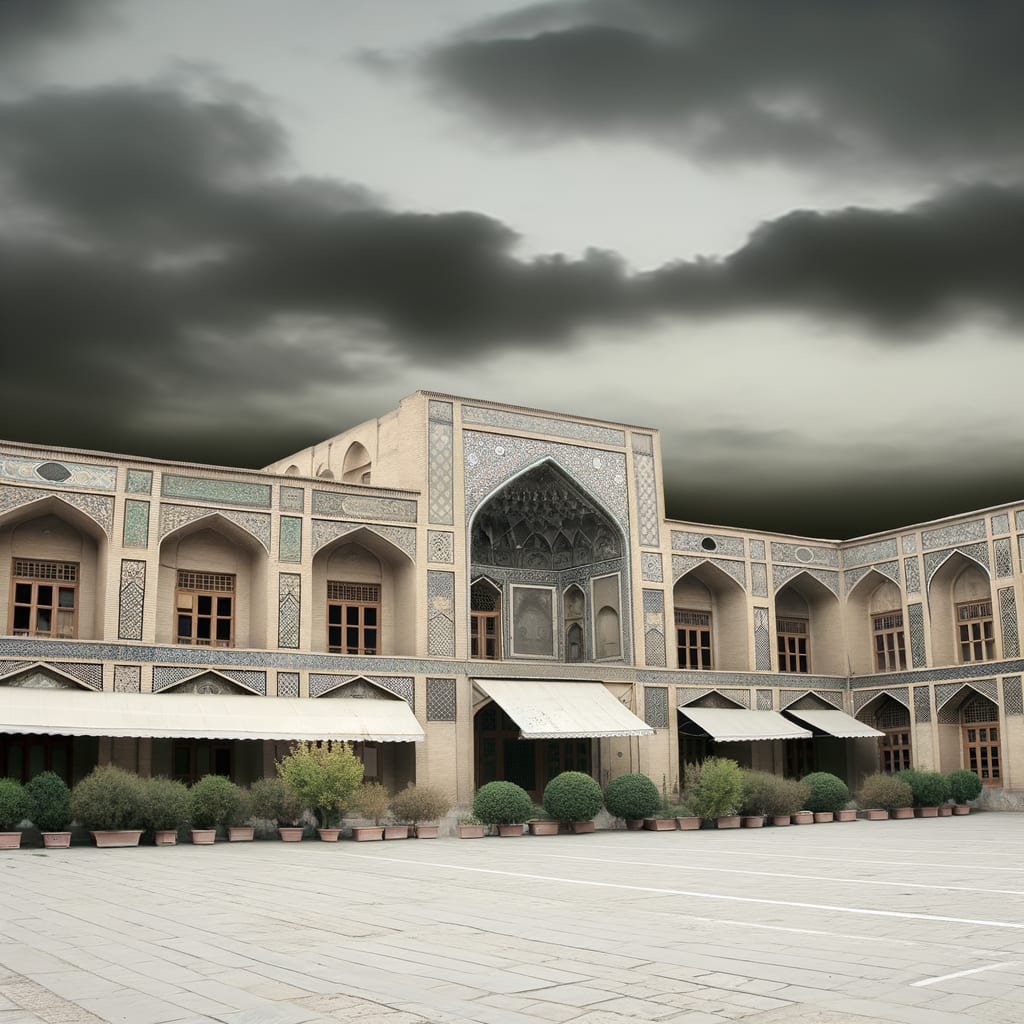
Iran Faces Internal and External Challenges Amid U.S.-Israeli Airstrikes
In the wake of U.S. and Israeli airstrikes, Iran is grappling with both internal and external pressures. The country is under threat from both foreign military actions and internal dissent. The situation is further complicated by contrasting reactions within Iran and international condemnation of the airstrikes.
A Nation in Crisis
Iran's judiciary chief, Gholam Hosseini Mohseni Ejehei, has warned of severe consequences for anyone supporting the U.S.-Israeli airstrikes, with implications of possible death-penalty charges for those convicted of cooperating with the enemy1. Meanwhile, Iranian-American journalist and activist Masih Alinejad has voiced the fears of Iranian dissidents, urging the U.S. to finish the job
rather than leaving them with a wounded regime
that could retaliate against innocent civilians2.
Internal Divide and Fear
While the airstrikes have exposed cracks in the Iranian regime, the potential for a leadership vacuum and the question of who will take power if the regime falls remains a concern3. This uncertainty has been further underscored by the death of Supreme Leader Ayatollah Ali Khamenei4, which has elicited both celebrations and mourning within the country5.
International Reactions
Internationally, the airstrikes have drawn mixed reactions. The UAE has criticized the U.S. for dragging Gulf nations into the conflict6, while the U.S. Congress is split along party lines about whether the strikes constitute an undeclared war7. The U.S. has also faced scrutiny for its lack of a clear post-war plan for Iran8.
Military Impact and Aftermath
As the conflict rages on, its military toll is becoming evident with the U.S. claiming to have struck or sunk over 20 Iranian ships9, and Iran reporting at least 560 American military personnel have been killed or wounded10. Amid this, the International Atomic Energy Agency (IAEA) has found no evidence of damage to or impact on nuclear facilities in Iran11.
Conclusion
The situation in Iran continues to evolve, with no clear end in sight. Both internal and external factors continue to shape the country's fate as it navigates through this period of crisis and uncertainty.