
Israeli strike on car in southern Lebanon kills four, testing ceasefire framework
Narrative Snapshot
- Multiple outlets agree four people were killed when an Israeli strike hit a civilian vehicle in southern Lebanon; several name a school principal among the dead and cite Lebanese state sources for details on the victims (CBC; SCMP; Le Monde).
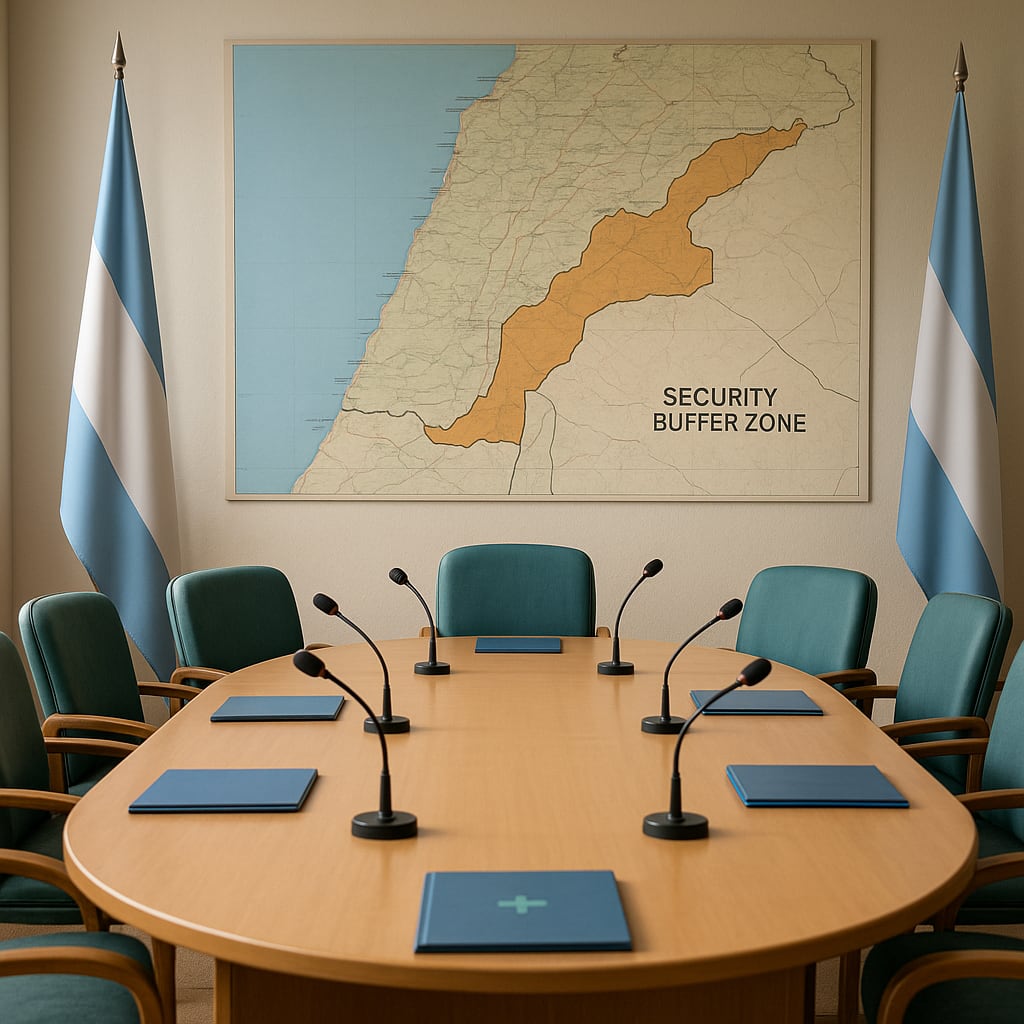
- Israeli military statements emphasize a threat near a “security zone,” framing those in the vehicle as “four suspects” approaching Israeli forces (Middle East Eye, 6 Jul). Lebanese and international outlets foreground civilian harm and the existence of a ceasefire/framework, treating the “security zone” as contested (“so‑called”) and outside the deal’s spirit (Al Jazeera; MEE, 3–6 Jul; The Hindu; SCMP).
- The status and scope of the agreement are described differently: as a US‑brokered ceasefire (Al Jazeera), a framework deal that did not include Hezbollah (MEE, 3 Jul; 30 Jun), or a ceasefire between Israel and Hezbollah (SCMP).
- Background reporting underscores continuing Israeli actions in southern Lebanon despite the accord, alongside large‑scale but incomplete returns of displaced civilians (MEE, 3–4 Jul). One analysis highlights parallel Israeli activity around the Golan and in southern Syria (RT, 5 Jul), broadening the regional lens.
What Happened
On 6 July, an Israeli strike hit a vehicle in southern Lebanon, killing four people. Lebanese state media and the Health Ministry identified the dead as including a school principal; other reported victims were her mother, a foreign female domestic worker, and a male Syrian worker (CBC; SCMP). Outlets citing Lebanese sources placed the incident near Nabatieh al‑Fawqa and described it as a drone strike; Le Monde reported the car was a Jeep Cherokee (SCMP; The Hindu; Le Monde). The Israeli army said it targeted “four suspects” in the Al‑Aqida area who were approaching a “security zone” and posed a threat (MEE, 6 Jul). The strike followed days of Israeli operations in southern Lebanon, including reported hits on around 10 “Hezbollah infrastructure sites” and an explosion in Kounine amid ongoing demolitions in the so‑called security zone (MEE, 3 Jul).
Why It Matters
The incident tests the viability and interpretation of a late‑June de‑escalation arrangement: described as a US‑brokered ceasefire by some outlets (Al Jazeera), a framework deal not joined by Hezbollah by others (MEE, 3 Jul; 30 Jun). Continued Israeli strikes in the “security zone,” including targeting alleged weapons movements, indicate gaps between battlefield practice and diplomatic intent (MEE, 3 Jul). Humanitarian dynamics are sensitive: the International Organization for Migration estimates 646,107 people have returned since the 21 June ceasefire, while about 500,000 remain displaced—returns that may be reversible if incidents persist (MEE, 4 Jul). The Hindu notes prior US pressure on Israel to scale back in Lebanon, suggesting Washington’s leverage is an operational variable. Separately, RT highlights Israeli activity around southern Syria, underscoring that cross‑theater linkages could complicate containment if southern Lebanon remains unstable (RT, 5 Jul).
Diverging Narratives
Israeli military framing centers on force protection and proximity to a “security zone,” asserting that the vehicle’s occupants posed a threat (MEE, 6 Jul). Lebanese state accounts, echoed by international outlets, identify the dead as civilians, including three women and a school principal, and detail that they were returning from inspecting a family home (SCMP; CBC). This produces a core dispute over target status and, by extension, the incident’s compliance with the de‑escalation arrangement. The agreement itself is variably characterized: a ceasefire between Israel and Hezbollah (SCMP), a US‑brokered ceasefire (Al Jazeera), or a broader “framework” from which Hezbollah was absent (MEE, 3 Jul; 30 Jun). Coverage from MEE also stresses ongoing Israeli demolitions and strikes in the “so‑called” security zone despite the accord (MEE, 3 Jul), while IOM’s figures show substantial but incomplete returns (MEE, 4 Jul). RT’s analysis extends the frame to Israeli activity near the Golan and in Daraa, portraying a widening conflict (RT, 5 Jul), a focus not mirrored in the other sources’ immediate accounts of the Lebanon incident.
What Happens Next
- Interpretation and enforcement of the agreement: Further Israeli statements invoking threats near the “security zone,” and continued strikes or demolitions in southern Lebanon (MEE, 3 & 6 Jul), would signal a permissive operational reading; a visible slowdown would indicate responsiveness to the framework and to US pressure referenced by The Hindu.
- Civilian protection and displacement trends: IOM‑tracked returns (646,107) versus the roughly 500,000 still displaced (MEE, 4 Jul) are a barometer. New incidents affecting civilians, like the Nabatieh al‑Fawqa strike, could stall or reverse returns; sustained calm would support continued repatriation.
- Lebanese political posture: Reporting of broad opposition to the framework but limited appetite for confrontation (MEE, 30 Jun) suggests elites may prioritize avoiding escalation; watch for official Lebanese or Health Ministry messaging after incidents to gauge any shift.
- Regional spillover: RT’s reporting of Israeli activity in southern Syria (RT, 5 Jul) points to a potential cross‑front linkage. Analysts should look for corroborated strikes or overflights near the Golan and any official acknowledgments that connect southern Lebanon dynamics to Syria operations.