
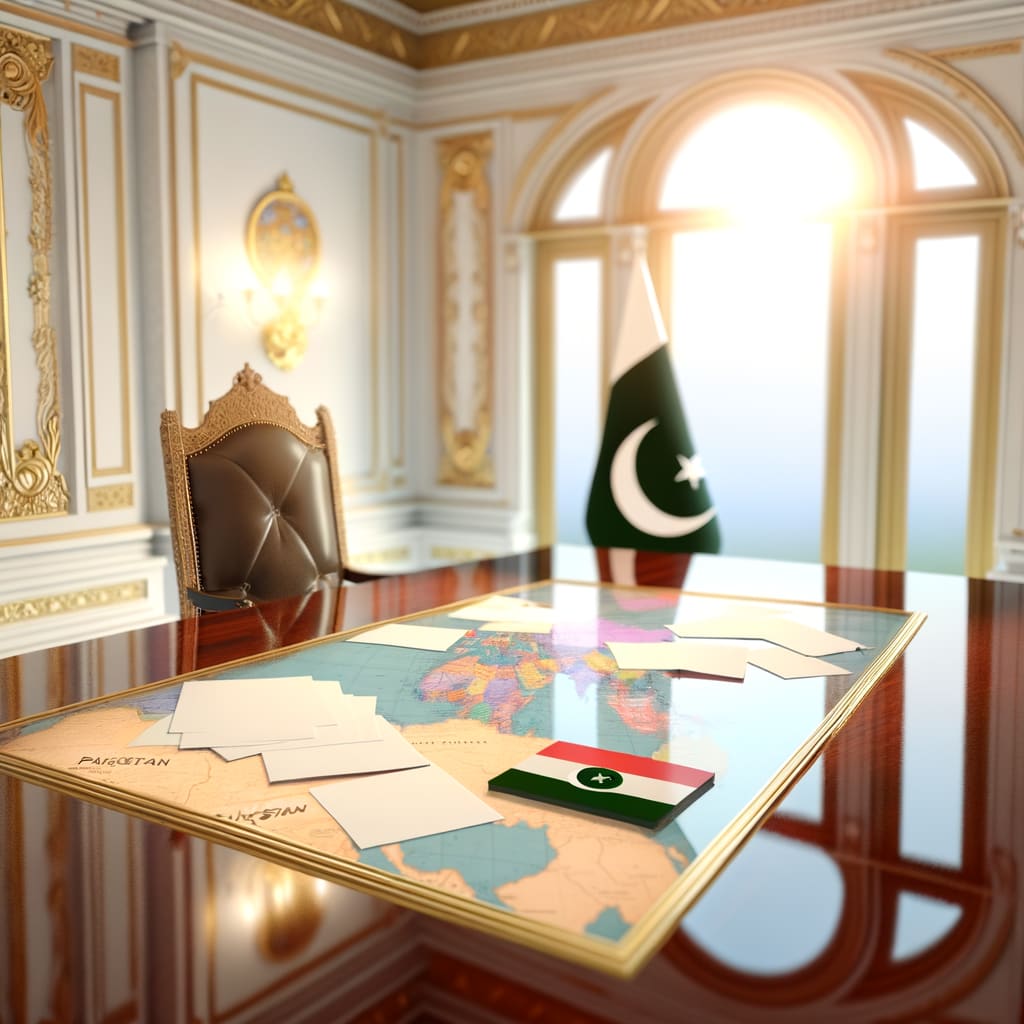
Pakistan's Mediation Efforts Approach Critical Stage Amid US-Iran Conflict
In an escalating conflict between the US and Iran, Pakistan has emerged as a key intermediary, brokering a temporary ceasefire and hosting negotiations to end the war in the Middle East. As US President Donald Trump's Tuesday deadline for reopening the Strait of Hormuz approached, Pakistan put forth a proposal for an immediate ceasefire, described as a critical opportunity
for talks between the US and Iran.
Background
The conflict between the US and Iran has been escalating with Washington and its ally Israel launching a military campaign against Iran, causing regional and global repercussions. In response to a US proposal aimed at ending the war, Iran submitted its response via Pakistan, rejecting a temporary ceasefire and calling for a permanent end to the war along with broader conditions, such as sanctions relief and security guarantees.
Key Developments
President Trump had initially given Iran a 48-hour window to strike a deal or face severe consequences. Trump's threat to destroy Iran's whole civilization
if an agreement was not reached by the deadline led Pakistan to request a two-week extension for negotiations. Pakistani Prime Minister Shehbaz Sharif publicly urged President Trump to extend the deadline to allow diplomacy to run its course. The White House has confirmed Trump's awareness of Islamabad's request.
On the other hand, Iran's Ambassador to Pakistan, Reza Amiri Moghadam, described Pakistan's efforts as positive and productive,
adding that talks were now approaching a critical, sensitive
stage. Reports also suggested that Iran was positively reviewing Pakistan's request for a two-week ceasefire.
Implications and Reactions
The conflict has had global economic implications, particularly affecting the oil and gas trade through the Strait of Hormuz. The Iranian blockade of the Strait has led to soaring fuel prices worldwide, impacting countries and businesses alike.
Meanwhile, Iranian state-linked media reported claims that a large share of US military assets in the region had been damaged or destroyed, including bases, aircraft, drones, and related infrastructure. This news has raised further concerns about the potential for escalation in the region.
Current Status
Despite the ongoing negotiations and mediation efforts, the situation remains tense and uncertain. The looming US deadline and Iran's firm stance on a permanent solution pose significant challenges to the resolution of the conflict. As diplomatic efforts continue, the world watches closely, hoping for a peaceful resolution to this escalating crisis.