
US Senate first approves, then rejects Iran war-powers curb amid Trump–GOP clash and ongoing talks
Narrative Snapshot
- Broad agreement that the initial 50–48 Senate vote crossed party lines with four Republicans joining Democrats; outlets differ on impact. Fox News and RT call it largely symbolic, while ANSA and Folha emphasize Trump’s denunciations and the measure’s intent to curtail presidential action.
- Accounts converge that Trump’s closed-door meeting with Senate Republicans turned confrontational, with the New York Times and Times of Israel detailing a heated exchange with Senator Bill Cassidy, who backed the resolution and pressed for briefings. Fox News then frames the subsequent, late-night reversal as a win that aligned the caucus with the White House.
- On diplomacy, reporting splits: the Guardian cites mediator-backed “progress” and a 60‑day roadmap under a new U.S.–Iran memorandum of understanding, whereas RT depicts the Swiss talks as stalled and distrustful; Middle East Eye highlights mixed signals as threats accompany outreach.
- Substantive fault lines surface over verification and nuclear material: Fox News features expert warnings about inspection “blind spots” and uranium stockpile handling even as Vice President JD Vance says Iran will admit inspectors; Middle East Eye opinion argues the war has already been a strategic failure for the U.S. and Israel.
What Happened
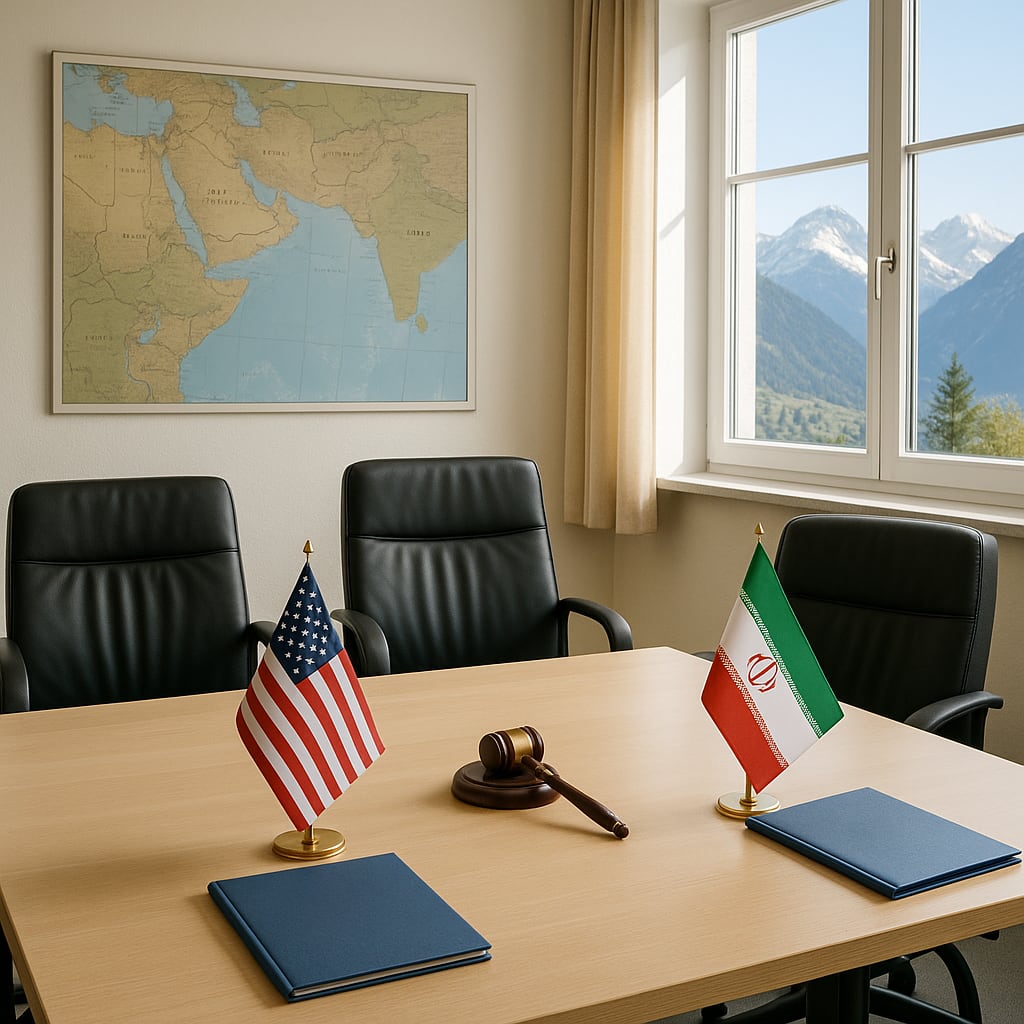
The House passed a measure to direct an end to U.S. hostilities involving Iran, 215–208, earlier in June. On 23 June, the Senate adopted a parallel resolution, 50–48, with four Republicans—Rand Paul, Susan Collins, Lisa Murkowski, and Bill Cassidy—joining Democrats (Al Jazeera; Fox News; RT). Trump condemned the vote as “inopportune” and “insignificant,” and abruptly canceled a bipartisan housing bill signing (ANSA; Clarin; Fox News). A closed-door GOP lunch then erupted into a shouting match, with a prolonged confrontation between Trump and Cassidy over war powers oversight and briefings (New York Times; Times of Israel; Fox News). The following night, Senate Republicans reversed course and rejected another bid to direct an end to the war, a move the New York Times described as aimed at mollifying the president (New York Times; Fox News). In parallel, a U.S.–Iran MOU opened a 60‑day negotiating window, with mediators Qatar and Pakistan facilitating talks in Switzerland amid mixed signals on progress and verification (Guardian; RT; Fox News).
Why It Matters
These votes test the practical reach of congressional war-powers checks when a conflict is ongoing and party control is split. The House and the first Senate vote signaled bipartisan unease with sustained hostilities; the late Senate reversal underscored executive leverage inside the GOP and the limits of symbolic constraints (Fox News; RT; New York Times). The episode intersects with an active U.S.–Iran negotiating track: a 60‑day MOU window, mediator involvement, and stated linkages to regional de-escalation in Lebanon (Guardian; Middle East Eye; RT). Verification issues—IAEA access and handling of Iran’s enriched uranium stockpile—are central to whether any framework is enforceable (Fox News). For decision-makers, the combination of congressional pressure, intraparty fissures, and unresolved technical safeguards will shape U.S. bargaining power, allied expectations (including Israel’s), and the credibility of any eventual agreement or ceasefire package tied to the Lebanon theater (Guardian; Middle East Eye).
Diverging Narratives
Outlets align on the basic sequence but frame its meaning differently. Fox News and RT emphasize that the initial Senate rebuke would not change policy and was largely symbolic, while ANSA stresses that senators were seeking to end the war and limit Trump’s powers. After the tense GOP meeting, Fox News presents the subsequent Senate rejection as a turnaround victory for the administration; the New York Times characterizes it as an effort by Republicans to appease Trump after internal conflict. On diplomacy, the Guardian cites mediator statements about a roadmap and “major progress,” including a link to ending Israeli operations against Hezbollah in Lebanon; RT describes the Swiss setting as tense, mediated to the point of limited direct contact, and “going nowhere.” Within the GOP, Fox News reports a split between hawks and “America First” conservatives over what constitutes victory, even as a Middle East Eye opinion essay argues the war has already produced strategic disaster for Washington and Israel. Technical safeguards remain contested: experts warn of nuclear verification gaps and uranium stockpile risks, while Vance touts Iran’s agreement to admit inspectors (Fox News).
What Happens Next
- Senate dynamics: The late reversal suggests party leadership can hold against further constraints, but margins remain narrow given prior absences and four Republican crossovers (Fox News). Watch whether additional war-powers or withdrawal directives re-emerge and whether the White House provides the briefings some senators demanded (Times of Israel).
- Negotiation track: The MOU’s 60‑day window sets a clock on turning broad commitments into enforceable terms (Fox News; Guardian). Indicators: IAEA access resumption beyond one-off visits; concrete downblending or removal arrangements for enriched uranium; and a written sequencing plan tying nuclear steps to sanctions or regional de-escalation (Fox News).
- Regional linkage: Mediators signaled progress tied to ending fighting in Lebanon (Guardian). Monitor IDF strikes, Hezbollah responses, and mediator communiqués for evidence that a ceasefire component is moving in parallel.
- Executive signaling: Trump’s threats to resume bombing sit alongside outreach (Middle East Eye). Analysts should track whether coercive signals escalate during talks and whether mediator-facilitated proximity negotiations persist (RT; Guardian).