
US-Israeli Attacks on Iran Trigger Massive Explosions and Fires Across Tehran
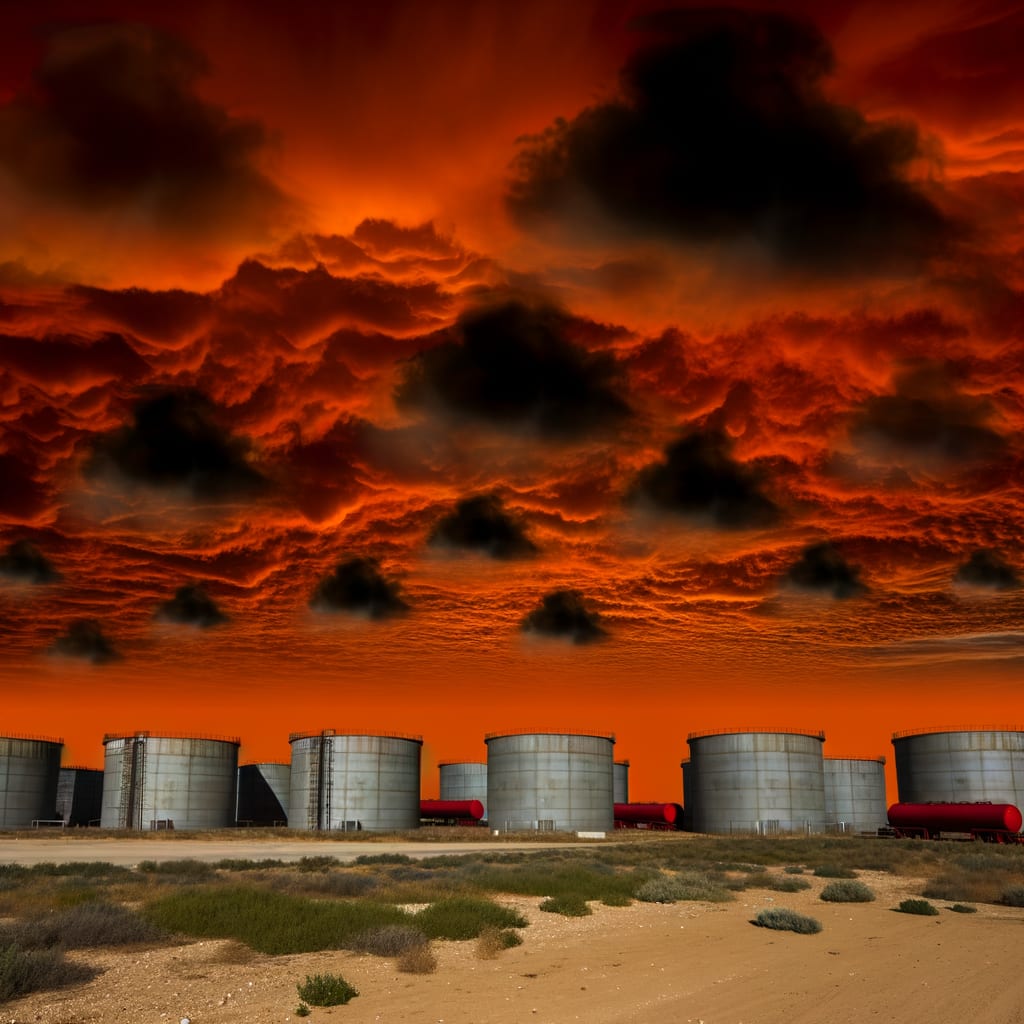
In a spate of overwhelming attacks, US-Israeli forces have targeted multiple oil storage facilities in Iran, unleashing catastrophic explosions, fires, and a menacing toxic haze over the capital, Tehran. The series of assaults, as reported by international news agencies including BBC News, TASS, and Corriere della Sera, have resulted in a grim spectacle of leaping flames and night skies lit up by forty explosions.
Striking the Energy Infrastructure
These strategic strikes, which have focused on Iran's energy infrastructure, have reportedly caused the emergence of immense dark plumes of smoke that have enveloped the city. The New York Times, Folha de S.Paulo, and Corriere della Sera have reported that the aftermath of the attacks on oil installations led to a thick smoke cover over Tehran, temporarily disrupting fuel distribution.
Devastating Aftermath and Humanitarian Crisis
The attacks have resulted in an alarming humanitarian crisis, with the Middle East Eye reporting that a double-tap missile attack in Iran's central city of Najafabad killed over 20 people and injured 50 others. Al Jazeera English has reported that the overnight strikes resulted in the deaths of four people and a body being pulled from the rubble of a destroyed building.
As the explosions escalate, Tehran Times reports that the daily attacks have released enormous amounts of smoke and toxic gases into the air, making it difficult for people to breathe. The aftermath of the strikes has led to acid rain and a potential toxic rainfall, as reported by Daily Nation and Clarin. Residents in Tehran, fearing medical shortages, are flocking to blood donation centers according to Al Jazeera English.
Wider Ramifications of the Attacks
The attacks have had broader consequences, with Israel reporting more than a dozen attacks on its center, according to Clarin. In response to the attacks, Iran has reportedly launched missiles at Tel Aviv, causing damage to roads and buildings, Corriere della Sera reports.
The Middle East Eye reports that since the inception of the US-Israeli war on Iran, more than 1,300 people have been killed, with thousands more reported wounded. The Red Crescent has also reported that 14 medical centers were damaged during the attacks, escalating the humanitarian crisis in Iran.
International Reactions
International response to the attacks has been cautious. CBC News reports that Washington's Western allies have stressed their non-involvement in the U.S.-Israeli attack on Iran but have avoided passing judgment on its legality. Fox News reports Speaker Mike Johnson describing the U.S.-Israeli strikes on Iran as a defensive measure, saying that Israel was determined to act with or without the U.S. in response to Iran's capabilities.
Conclusion
As the situation continues to unfold, the extent of the damage and the long-term implications of the attacks remain unclear. With no evidence of the strikes impacting Iran's nuclear facilities reported by Ukrinform and limited flights beginning from UAE as reported by The Hindu, the international community is closely watching the developments on the ground. Amid the chaos and misinformation, Deutsche Welle cautions about the spread of fake, AI-generated, or out-of-context videos flooding social media about the US-Israel-Iran war.