
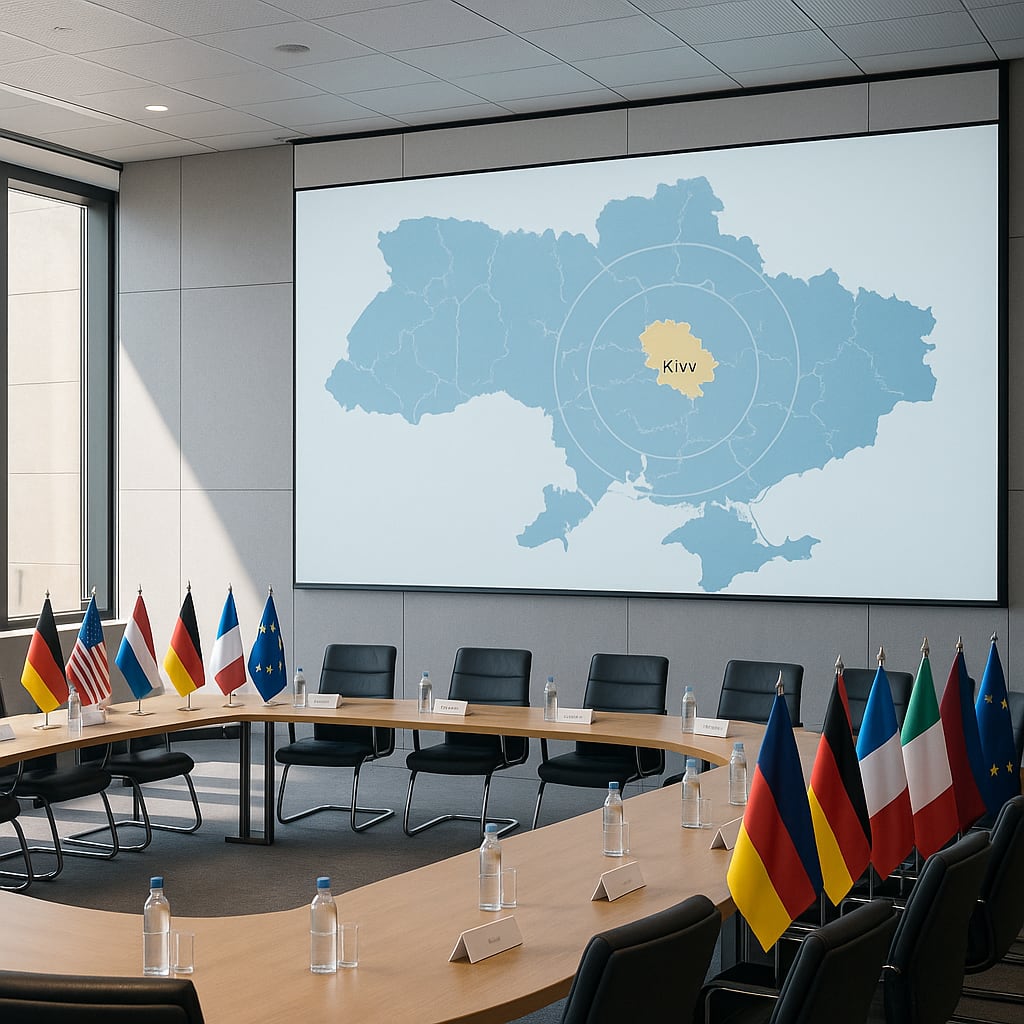
Russian missiles and drones strike Kyiv region on eve of NATO summit, with civilian casualties reported across outlets
Narrative Snapshot
- Convergence on timing and tactics: multiple outlets report a pre-summit strike using ballistic missiles (DW, SCMP, Clarin) and drones (CBC, La Repubblica), hitting residential areas.
- Divergence in casualty counts: initial tallies range from eight (SCMP, DW) to nine (BBC) and at least 12 (CBC, Clarin), rising later to 18 (ANSA) and then to 24 (Japan Times) or at least 26 (The Hindu).
- Emphasis splits: European and North American coverage link the attack to air-defense shortfalls and resupply needs (ANSA’s “zero missiles” claim; CBC’s “gaps”), while local reporting centers the strike’s impact on specific communities such as Vyshneve (Kyiv Independent).
- Strategic frame: several outlets situate this as the second major strike on the capital region in less than a week and part of a wider uptick in long-range attacks (DW, SCMP), with earlier mass-casualty events in Kyiv and Sumy establishing escalation context (Japan Times, The Hindu, SCMP).
What Happened
On July 6, Russian forces launched a large attack on Kyiv and surrounding areas with ballistic missiles and drones, striking residential buildings and other sites and prompting extensive rescue operations (DW, BBC, La Repubblica, CBC). Initial casualty figures varied—eight (SCMP, DW) to nine (BBC) and at least 12 (CBC, Clarin)—and rose through the day, with ANSA later reporting 18 dead in Kyiv and the region, and subsequent next-day updates citing 24 (Japan Times) and at least 26 (The Hindu). The Kyiv suburb of Vyshneve experienced significant blasts and damage, according to local accounts (Kyiv Independent). Ukrainian authorities highlighted air-defense strain, with ANSA quoting officials saying none of the missiles were intercepted and calling for more Patriot systems; CBC likewise reported “widening gaps.” The strike followed a large-scale attack on Kyiv days earlier and came ahead of a NATO summit in Turkey (DW, Japan Times, The Hindu, BBC).
Why It Matters
The strike spotlights the capacity and endurance of Ukraine’s air defenses just as allies convene to set near-term assistance priorities. Ukrainian officials’ claim of zero interceptions and calls for additional Patriot systems (ANSA) reinforce a long-identified requirement to replenish and densify layered defenses, particularly against ballistic missiles (CBC, DW). Multiple outlets tie this attack to an escalation in long-range strike exchanges (SCMP), underscoring a trend toward deeper rear-area targeting, with recent mass-casualty incidents in Kyiv and Sumy (Japan Times, The Hindu, SCMP). For NATO and partners, the timing raises the salience of decisions on interceptor stocks, delivery schedules, and coverage of urban centers. For legal and normative frameworks, Ukrainian characterizations of the strike as a “war crime” (ANSA) maintain pressure on accountability mechanisms, even as the immediate policy focus is on air-defense capacity and civilian protection.
Diverging Narratives
Reported death tolls diverged across time and outlets: eight (SCMP, early DW update), nine (BBC), at least 12 (CBC, Clarin), 18 (ANSA), and, in next-day tallies, 24 (Japan Times) or at least 26 (The Hindu). This reflects both evolving rescue outcomes and varying sourcing. Accounts are aligned that residential buildings were hit and that this was the second strike on the capital area in under a week (DW, BBC, La Repubblica), but differ in emphasis. Local reporting foregrounds the immediate human impact in Vyshneve (Kyiv Independent). Some international outlets anchor the event within a sequence of escalating long-range strikes, including the prior large-scale Kyiv attack and a glide-bomb strike in Sumy (DW, Japan Times, The Hindu, SCMP 03 Jul). Policy framing also varies: ANSA highlights Ukrainian claims of zero interceptions and explicit Patriot requests, while others focus on rescue efforts and the summit context (BBC, SCMP), or on the scale of prior barrages (Fox/Reuters).
What Happens Next
- NATO summit decisions on air-defense support: Ukrainian officials publicly signal the need for additional Patriot batteries and interceptors (ANSA). Watch for communiqués or pledges on system transfers, missile stocks, and timelines. A commitment would indicate allied prioritization of ballistic defense for Kyiv; silence or deferral would imply continued constraints on inventory and delivery pacing.
- Air-defense performance disclosures: CBC’s reporting on “gaps” and ANSA’s “zero missiles intercepted” claim set an indicator to track—subsequent Ukrainian and partner data on intercept rates against ballistic threats. Improved rates following new deliveries would suggest near-term mitigation; persistent shortfalls would sustain pressure for further transfers.
- Escalation patterns in long-range strikes: SCMP notes both sides increasing long-range attacks; DW, Japan Times, and The Hindu reference recent mass-casualty strikes. Analysts should monitor frequency, munitions types (ballistic missiles, glide bombs), and geographic spread (e.g., Sumy), which will shape protection priorities and logistics for civilian areas.