
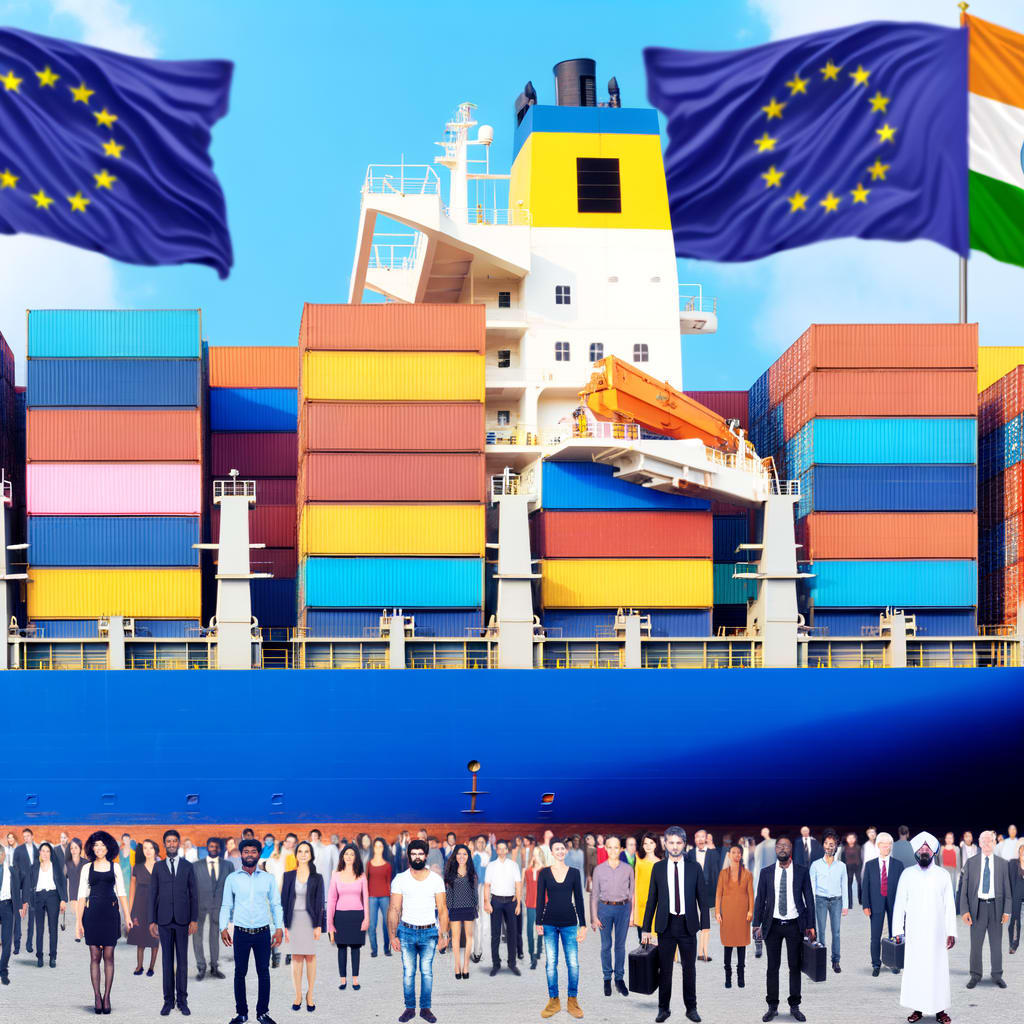
EU and India Seal Landmark Trade Deal Amid US Tariff Tensions
In a significant move that could reshape global economic dynamics, the European Union (EU) and India have announced a landmark free trade agreement. This 'historic' deal comes after nearly two decades of negotiations and is expected to forge a market of two billion people and nearly a quarter of global GDP, according to the European Commission. It is being hailed as a significant alternative to the US-centric global trade order.
Background and Context
The EU-India trade deal is a culmination of nearly 20 years of negotiations and was finally concluded during the 77th Republic Day celebrations in India. EU leaders Antonio Costa and Ursula von der Leyen were the chief guests at the event and stayed on for the 16th EU-India summit, where the deal was announced.
Political scientist Christophe Jaffrelot opines that the agreements are a way to show the world there are other choices besides the United States. This statement comes as both India and the EU deal with economic and geopolitical pressure from the US, particularly tariff tensions.
Key Developments and Details
The deal, described as the mother of all trade deals,
will drastically cut tariffs on a wide range of goods. New Delhi will slash tariffs on cars to 10% over five years from as high as 110%, and the EU will cut tariffs on machinery, electrical equipment, chemicals, and iron and steel coming to India.
The deal will also ease access for European cars and wine, in return for Indian exports of textiles, gems, and pharmaceuticals. This agreement is expected to open up India's vast and highly guarded market to more European goods.
Implications and Reactions
The announcement of this trade deal comes amid continuing strain in ties between India and the US over a range of issues, including Washington's policies on trade and tariffs. Furthermore, the EU is facing US tariffs over support for Greenland, just six months after a US-EU trade deal was signed.
Iran’s foreign minister commented that Europe is suffering blowback
and meeting a similar fate to Iran’s nuclear deal, after US President Donald Trump threatened tariffs on European countries.
Conclusion
Despite the mounting pressure from US tariffs and a shifting global order, India and the EU have sent a clear message to the world about their intention to strengthen their economic ties. The deal comes as a significant boost for the India-EU relationship, which has been quietly rising in the face of hostile and erratic foreign policy actions. The world will now keenly watch how this new alliance impacts the global trade dynamics.