
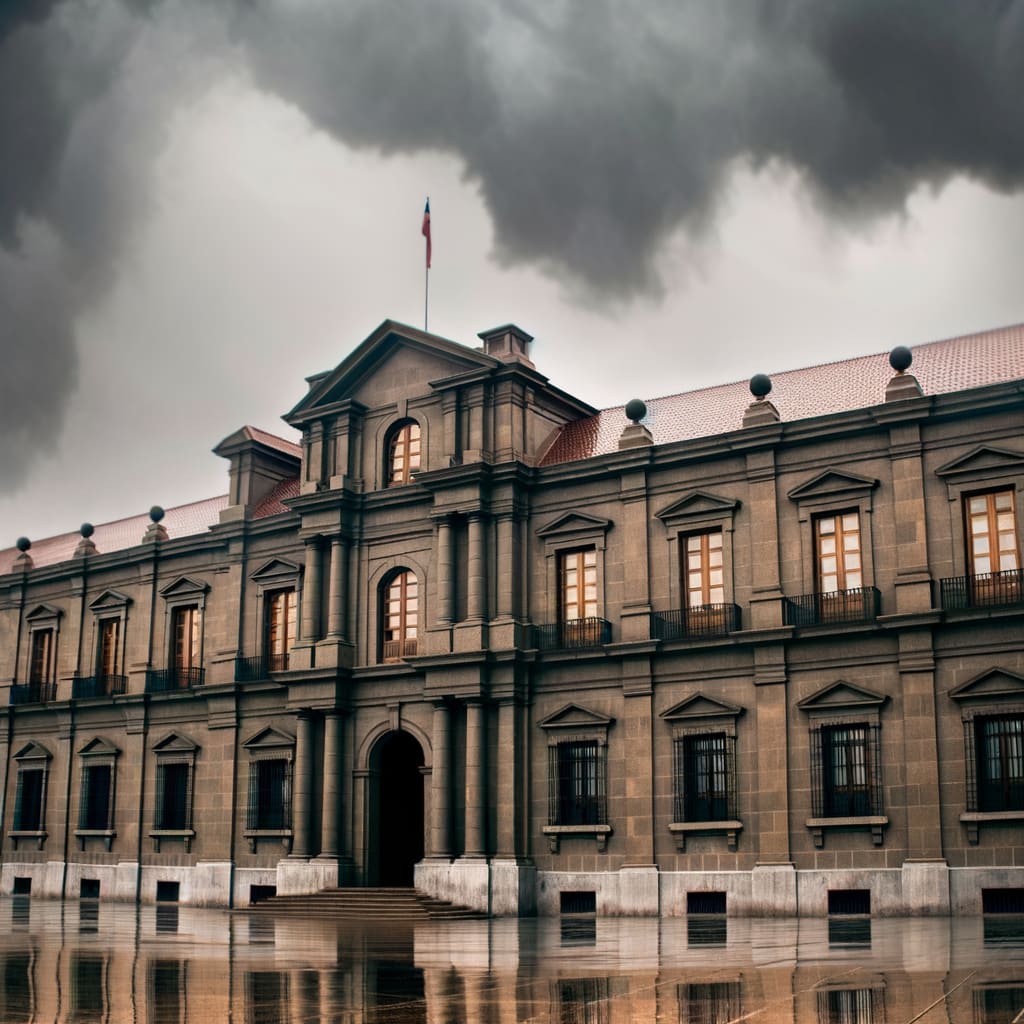
José Antonio Kast Assumes Presidency Amidst Controversy and Tensions
José Antonio Kast, a 60-year-old ultra-Catholic and right-wing politician, was inaugurated as Chile's new president on Wednesday, amidst international tensions, controversy over his views, and fear for women's rights.
Background and Context
Kast's succession to the presidency marks the beginning of the most right-wing government in Chile since the return to democracy. Alarmingly, Kast has publicly commended Augusto Pinochet, a dictator whose regime was marked by numerous human rights violations. His views, according to experts, reflect deep dissatisfaction with the current state of affairs in the country.
Kast takes over from Gabriel Boric, whose final weeks in office were dominated by a dispute over a Chinese undersea cable. In his departure, Boric called for national unity, likely in reference to this dispute, urging that our homeland always come first, above any interest, above any disagreement.
Key Developments
One of Kast's first acts as president was to sign a decree ordering the construction of physical barriers
with Bolivia, as part of his strict migration policy. He has also pledged to deport 340,000 migrants. These measures have been met with international scrutiny and concern.
Kast's inauguration was attended by international guests, including King Felipe VI of Spain and Javier Milei. However, notable absences included Brazil's President Lula and leaders from the U.S., Colombia, and Mexico.
Reactions and Implications
The absence of Lula, who cancelled his trip after Senator Flávio Bolsonaro confirmed his attendance at the event, has sparked criticism. President Donald Trump of the U.S. stated he was unaware of Lula's absence from the 'Shield of the Americas' event. Interestingly, Trump's envoy for relations with Brazil, Darren Beattie, has sought a meeting with Jair Bolsonaro, without having requested a meeting with the Lula government.
Women's rights activists in Chile are bracing for a potential rollback of progressive policies. Kast, who voted against legalizing divorce in 2004, has advocated for a total abortion ban, causing fears over the future of women's rights in the country.
Conclusion
As Kast begins his term as president, Chile and the world watch with apprehension and concern. His early actions and conservative views have sparked fear and criticism. Yet, amidst the controversies, Kast plans to sign broad agreements with the U.S. to boost cooperation on critical minerals and security matters, signaling a swift alignment with the Trump administration.
Kast's presidency and his handling of the issues he inherits, including the Chinese cable scandal, will undoubtedly have far-reaching implications for Chile and its international relations.