
US carries out seventh night of strikes in Iran as Tehran warns of “full-scale” offensive
Narrative Snapshot
Across outlets, there is broad agreement that US strikes have continued for a seventh consecutive night and that the target set has widened. US Central Command’s messaging, relayed by BBC and CGTN, emphasizes degrading Iranian military capabilities, citing hits on surveillance sites, logistics infrastructure, underground weapons storage, and maritime assets. Regional and European coverage highlights the geographic spread and operational shift, with Haaretz reporting strikes “around Tehran” for the first time since President Donald Trump declared the cease-fire over, while The Guardian details damage to southern ports, bridges, and road access to Bandar Abbas.
Where coverage diverges is over effects and escalation thresholds. Al Jazeera reports infrastructure strikes that cut water to villages in Iran’s south and cites a “strategic shift” in US targeting, while Iran’s IRNA highlights civilian casualties and vows to defend “every inch” of territory. By contrast, The Guardian cites a leaked US assessment that Iran retained 70% of its missiles and launchers after a prior spring campaign, underscoring Iranian resilience despite sustained attacks.
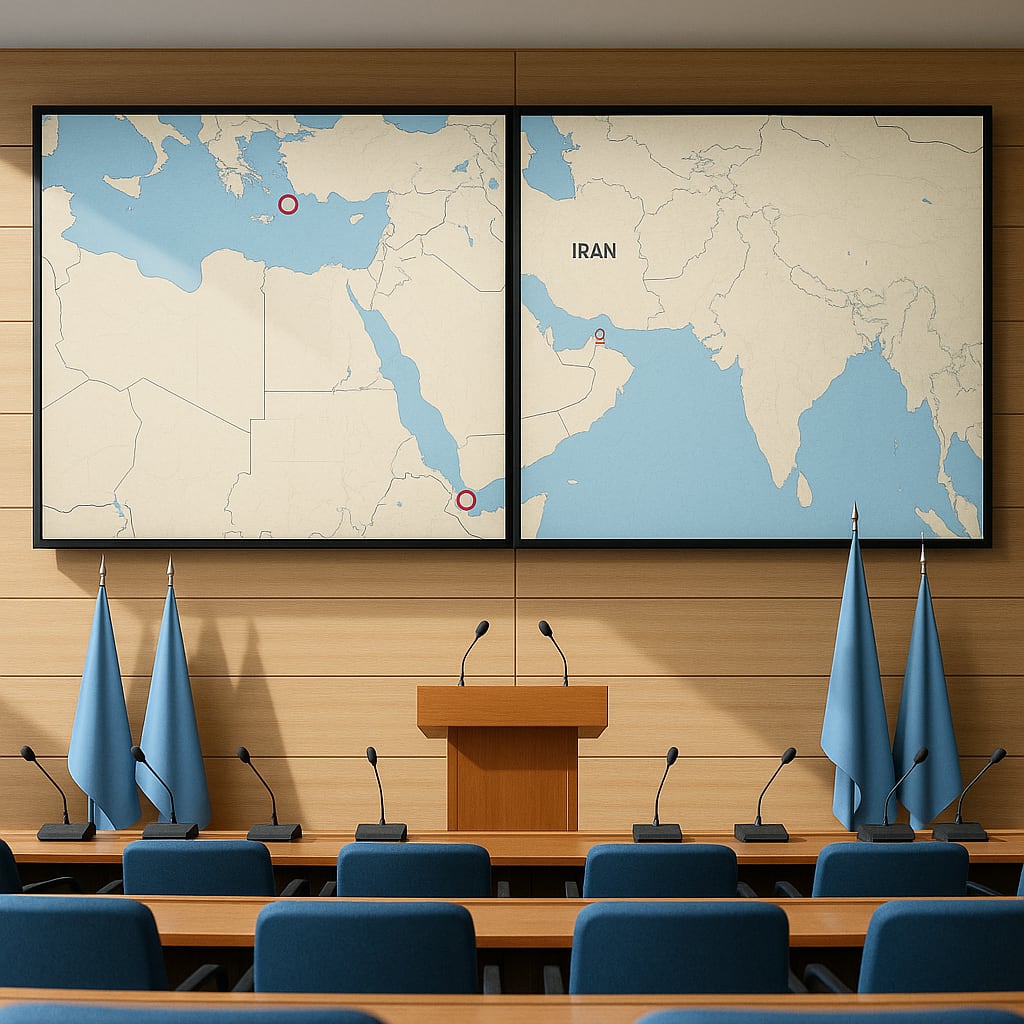
The stakes described in international reporting extend beyond Iran-US exchanges to regional chokepoints and proxy dynamics. Deutsche Welle reports Tehran has told Yemen’s Houthis to be ready to disrupt Red Sea shipping if Iranian power infrastructure is targeted, and carries US rejection of Iranian claims about tanker explosions near Hormuz. Russian and Serbian outlets introduce additional frames: TASS quotes a former US intelligence official arguing strikes will harden Tehran’s stance, while Politika reports Trump signaling continued airstrikes but hesitating on a ground intervention.
What Happened
After President Donald Trump declared the cease-fire “OVER” on July 11, according to CGTN, US forces launched successive nights of strikes across Iran. Haaretz reports two waves of attacks on coastal defenses and missile sites and, notably, strikes around Tehran. US Central Command, via BBC and CGTN, said the seventh night of attacks targeted surveillance nodes, logistics infrastructure, underground weapons depots, and maritime capabilities, employing aircraft, drones, and warships. The Guardian describes damage to southern infrastructure, including a collapsed tower in Chabahar and disrupted road links into Bandar Abbas. Middle East Eye reports blasts in Yazd, while IRNA says three civilians were killed in Bandar Khamir, prompting a pledge from Foreign Minister Seyyed Abbas Araghchi to defend Iran’s territory. As strikes continued, Iranian adviser Mohsen Rezaee warned of a “full-scale” response, per DW, Al Jazeera, TASS, and Politika.
Why It Matters
The exchanges intersect with critical maritime corridors and proxy networks. DW reports Tehran has warned the Houthis to prepare to disrupt Red Sea shipping if Iran’s power infrastructure is hit, linking strikes on Iranian grids and bridges, described by Al Jazeera, to risks for regional trade and energy flows through Hormuz and the Red Sea. Iran’s signaling that “no political border will be safe,” reported by MEE and DW, expands potential targeting to US bases “outside the conflict zone,” as TASS relays from Rezaee—raising the salience of US regional basing and force protection. Politika’s account that Trump is continuing airstrikes while hesitating on a ground intervention points to escalation management choices in Washington. Competing claims about military versus civilian targets, captured by CENTCOM statements (CGTN, BBC) and Iranian accounts of civilian harm (IRNA, Al Jazeera), feed into legal and normative debates likely to shape multilateral reactions.
Diverging Narratives
US command statements stress a controlled campaign focused on degrading Iran’s military apparatus, specifying surveillance nodes, logistics hubs, underground storage, and maritime capabilities (CGTN, BBC). Iranian and regional outlets counter that the strikes have hit civilian infrastructure, with Al Jazeera reporting water cuts in southern villages and IRNA citing civilian deaths in Bandar Khamir alongside vows to defend national territory. The Guardian’s reporting that a leaked US assessment found Iran retained 70% of its missiles and launchers after a prior 38-day campaign suggests a debate over efficacy: sustained strikes may not be disabling Iran’s capacity to retaliate. TASS adds analytical skepticism through a former US intelligence officer who argues further strikes will harden Tehran’s position. Claims of wider spillover are contested: DW reports the US rejected Iranian assertions that two oil tankers exploded near Hormuz, while RT relays IRGC claims of attacks on a US drone depot and an “AI center” in Bahrain and CBS-sourced reports of US personnel injured in Jordan—accounts RT notes have not been publicly confirmed by the Pentagon.
What Happens Next
One decision point is Washington’s escalation ladder. Haaretz reports consideration of expanded operations after strikes around Tehran, while Politika says Trump hesitates on a ground intervention but signals continued air operations. Indicators include CENTCOM’s target characterizations and whether strikes keep moving deeper into Iran’s core infrastructure, which Al Jazeera frames as a strategic broadening. A second pivot is Tehran’s threshold for its promised “full-scale” offensive if bombing continues “over the coming days,” as MEE, DW, and Al Jazeera report Rezaee saying; watch for attacks on US bases “outside the conflict zone” (TASS) and independently confirmed incidents in Jordan or Gulf basing hubs. A third concerns maritime disruption: DW reports Houthi readiness tied to strikes on Iran’s power infrastructure, making verifiable Red Sea or Hormuz incidents, and corroborated evidence of energy or grid attacks in Iran, key signals. Finally, diplomatic bandwidth appears constrained: CGTN reports Tehran rejected negotiation claims, and Al Jazeera cites Rezaee that “negotiating during war is over,” suggesting public postures to monitor for any shift.