
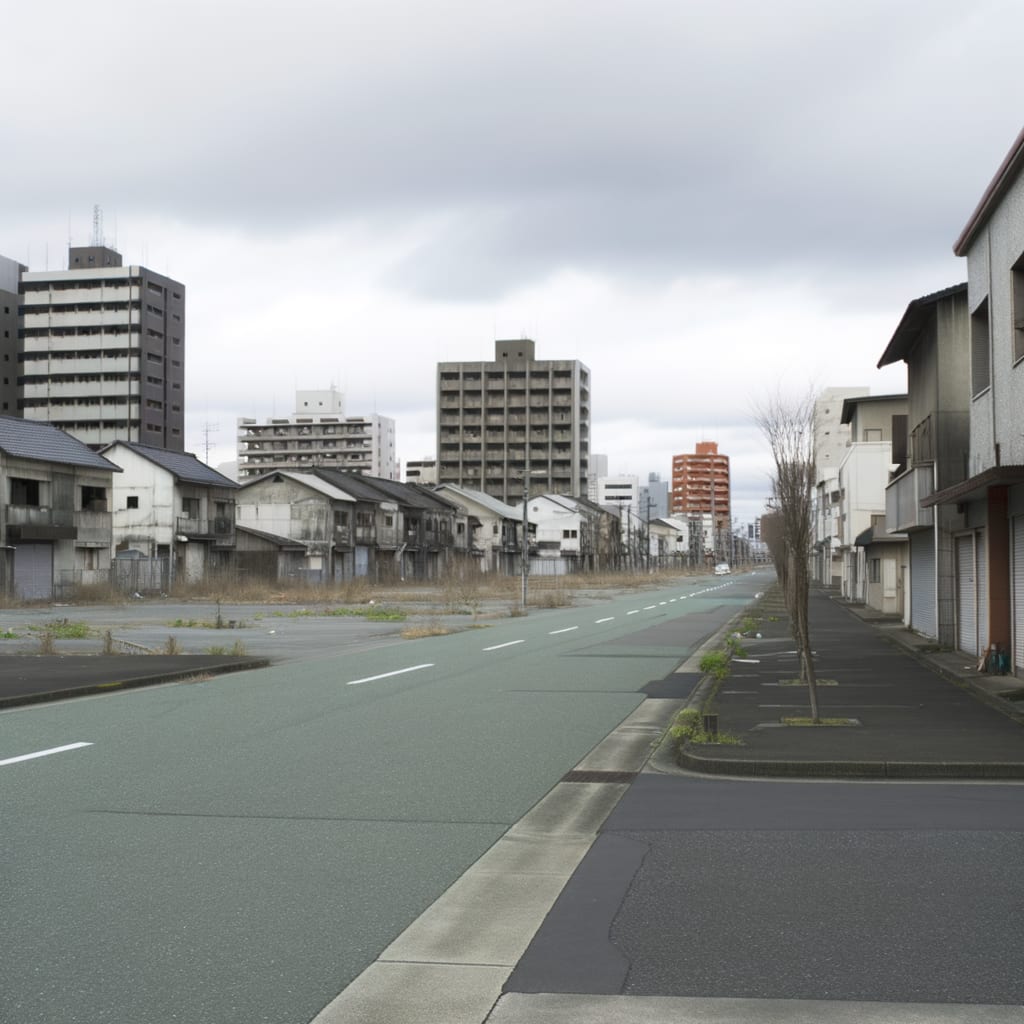
Gaza's Future Hangs in Balance Amid Tensions and Humanitarian Crisis
As we enter 2026, the Israeli-Palestinian conflict continues to cast a grim shadow over the Gaza Strip, with concerns about the potential for genocide and mass displacement of Palestinians mounting. This follows a year of catastrophic suffering for Palestinians in 2025 as reported by an official Palestinian report.
Context: A Year of Suffering
The Palestinian Central Bureau of Statistics (PCBS) has reported an unprecedented population decline of 10.6 percent in the Gaza Strip, equating to around 254,000 people. This is due to a combination of killings, displacement, and deteriorating living conditions, creating a severe demographic haemorrhage and a potential long-lasting humanitarian and demographic crisis.
Key Developments: An Unsettling Response
Amid this crisis, the Israeli government has enforced policies limiting criticism of its conduct in the war and has demanded personal details about Gazan employees. The move has led to Doctors Without Borders (MSF) being told to cease its operations in Gaza, a decision that has been met with international criticism. Filipe Ribeiro, the head of mission for MSF in Jerusalem, warned that the impact of stopping MSF's activities in Gaza would be enormous.
In addition to this, Israel has confirmed access restrictions to Gaza for 37 major NGOs, citing their failure to disclose the names of their employees. The move has been met with criticism from international bodies, as it hampers efforts to alleviate the humanitarian crisis in the region.
The International Response and Repercussions
The Israeli actions have sparked criticism from the global community. Michael Walzer, a renowned US political theorist, called Israel's war on Gaza a criminal effort
that aimed to conquer the enclave and displace Palestinians. Similarly, a United Nations report has condemned what it calls 'Israeli apartheid' and the 'asphyxiation' of the rights of Palestinians, citing an 'unprecedented deterioration of the human rights situation' in the West Bank.
Meanwhile, hospitals in Gaza are at risk of closing or reducing services due to an Israeli blockade on fuel entering the strip, as reported by the Palestinian Centre for Human Rights. This further exacerbates the health crisis in the region, as these facilities are unable to offer continuous operations and services such as surgery and intensive care.
Conclusion: An Uncertain Future
As tensions continue to rise, the future of the Gaza Strip remains uncertain. There's a risk of further displacement, with Somaliland denying reports of accepting Gaza refugees. At the same time, there's a growing need for international intervention to address the humanitarian crisis and to ensure that the rights of Palestinians are protected. The story of Gaza in 2026 continues to unfold, with the world watching closely and anxiously.