
Iran Rocked by Protests Amid Economic Unrest, Death Toll Rises as Global Response Grows
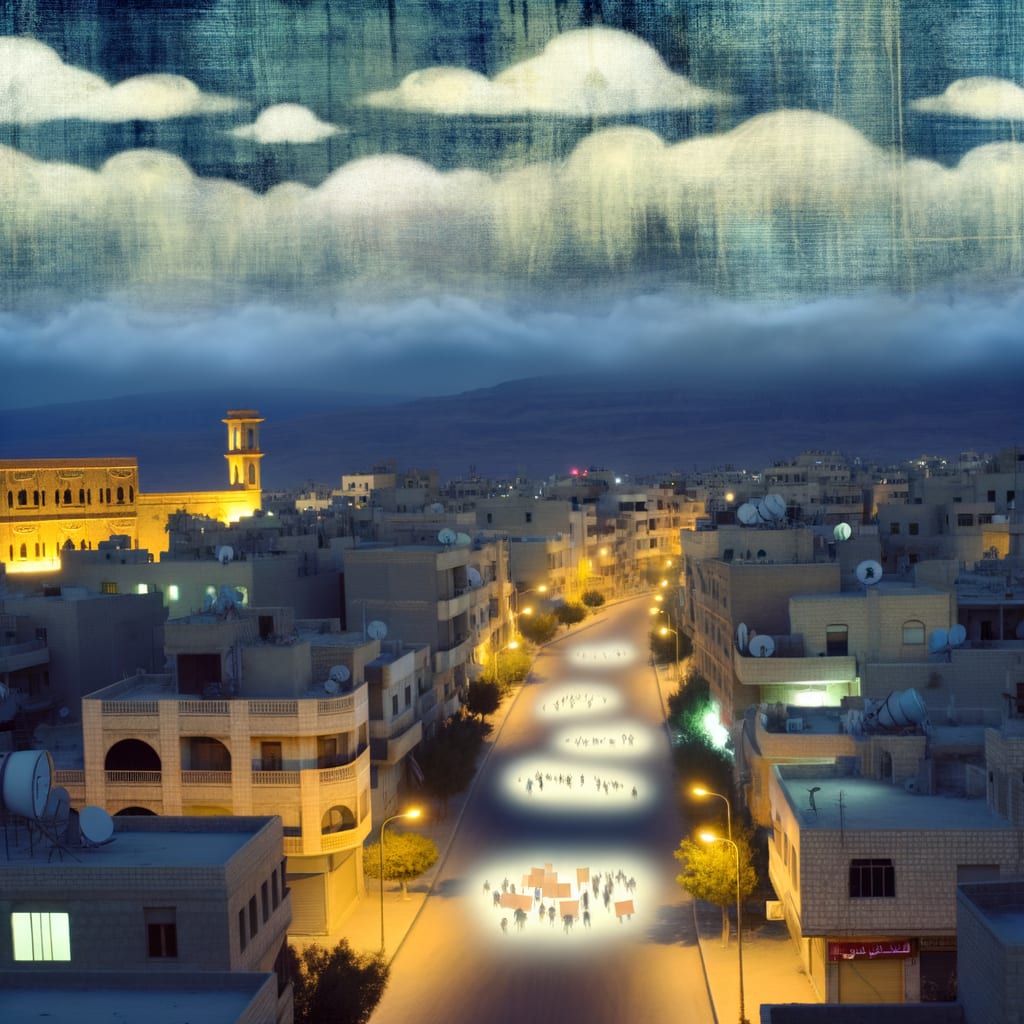
Iran has been racked by a week of violent protests, sparked by soaring inflation, leading to a sharp increase in arrests and a rising death toll. The demonstrations, which have spiraled from economic grievances into political ones in some cases, have spread to various cities across the country, leading to violent confrontations between protesters and security forces. Rights groups report that at least 16 people have died, and several hundred have been arrested amidst the unrest.
Protests Sparked by Economic Woes
Fueled by economic duress, the protests initially began among bazaar traders and shopkeepers before spreading to university students and then to provincial cities. With the country facing economic challenges and the threat of coming into the crosshairs of Israel and the United States, Iranian leaders are deemed to be in survival mode.
Violent Clashes and Rising Death Toll
The South China Morning Post and Middle East Eye both report that at least 16 people have been killed during the week of unrest, according to rights groups. The New York Times adds that officials have stated leaders are in survival mode amid the anti-government protests and the potential threat of military action from Israel and the United States.
International Response and Internal Crackdown
Amidst the ongoing unrest, the Iranian diaspora in the UK rallied in support of the protesters, an event described as a 'turning point' by The Times of Israel. The demonstrations in London aimed to 'make a bridge between the people inside Iran and outside of Iran'.
In contrast, Iran's Police Chief, Brigadier General Ahmad-Reza Radan, announced that law enforcement forces have begun targeted arrests of so-called 'rioters', accusing them of inciting violence under the direction of foreign spy agencies. Iranian Parliament Speaker Mohammad Bagher Ghalibaf called for dialogue, acknowledging the legitimacy of the protesters' demands and emphasizing the need for economic stability and public demands to form the basis of reforms.
Rising Tensions with the United States and Israel
As the protests continue, tensions between Iran, the United States, and Israel have escalated. The US and Israel have threatened military action, with President Donald Trump warning of a harsh response if Iran attempts to rebuild its nuclear or ballistic missile projects. In response, Iran has vowed to retaliate swiftly and harshly to any act of aggression.
Current Status
Despite the escalating death toll and the ongoing crackdown, the protests continue unabated. The unrest, the largest seen in Iran in three years, underscores the fragility of the theocracy and the widespread dissatisfaction among the populace. As the situation remains volatile, the international community watches closely to see how the Iranian government will respond to the mounting pressure from within and outside its borders.