
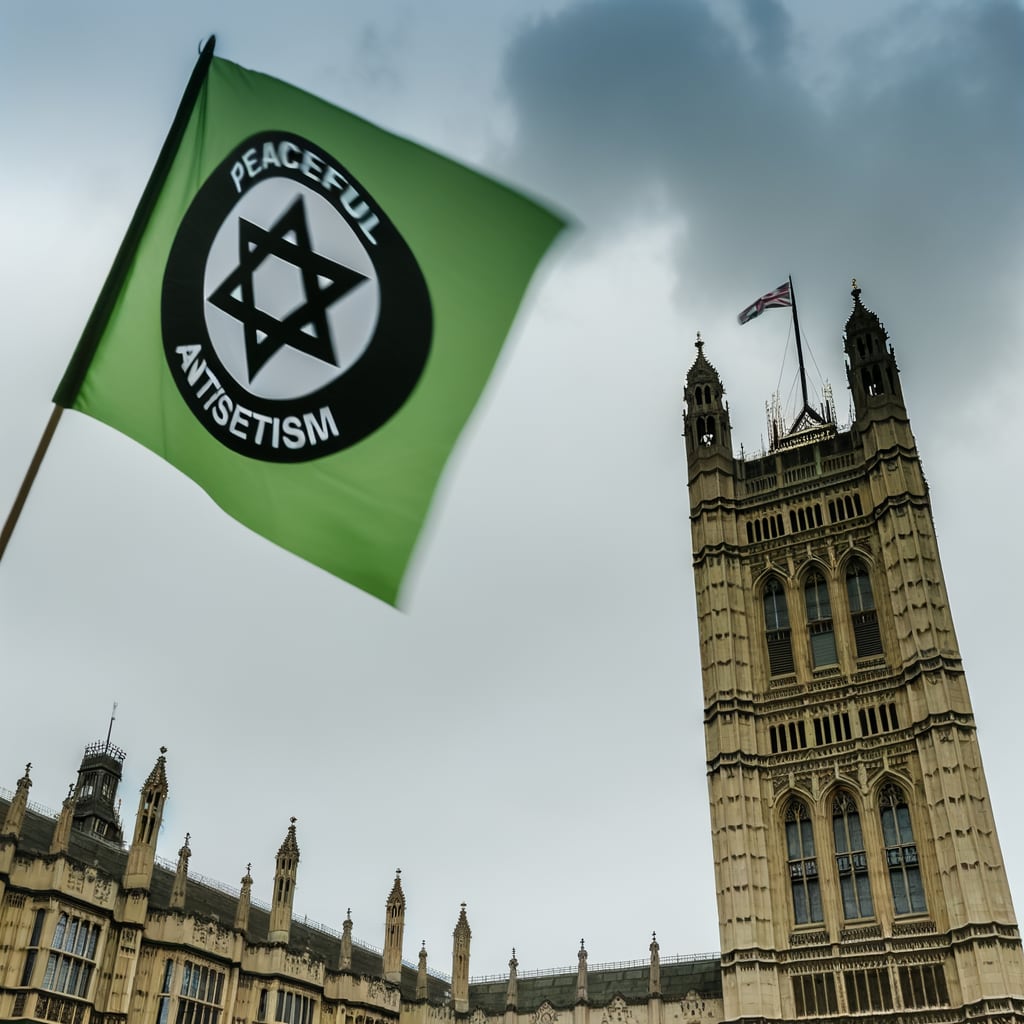
UK Election Results Spark Controversy Amidst Rising Antisemitism
The recent local elections in the United Kingdom have resulted in significant gains for the Green Party, led by Zack Polanski, amidst an atmosphere of rising antisemitism and a shifting political landscape. The party has faced allegations of anti-Israel policies and antisemitic behaviour, raising concerns among Jewish communities in the UK and abroad.
Rising Antisemitism and the Political Landscape
The Green Party's election success, which includes two mayoralties and four councils, has come under scrutiny due to allegations of antisemitism within the party. Critics, including The Times of Israel, point to the party's anti-Israel stance and reports of antisemitic behaviour among its members. Polanski, who is Jewish, has made pro-Palestinian politics a focus of his party's platform.
On the other hand, the Middle East Eye has described a media campaign against Polanski, suggesting that allegations of antisemitism are being used to bring him down.
The Impact of the Elections
The election results reflect a shift in the UK's political landscape, with the traditional two-party system seemingly crumbling. The right-wing anti-immigration party, Reform, also saw significant gains, while the Labour party suffered huge losses.
Addressing Antisemitism
The rise in antisemitic incidents is not limited to the UK. Reports from North America indicate a concerning increase in such occurrences. In Canada, the year 2026 has been described as the most violent year in recent memory
for the country's Jewish population by B'nai Brith. Similarly, in New York City, there have been multiple reports of antisemitic graffiti and protests.
In the UK, thousands of people gathered outside Downing Street to protest against an increase in antisemitic hate crimes and violence. The rally, backed by over 30 Jewish groups, was attended by leaders from the Conservative, Labour, and Liberal Democrat parties.
The Future of British Politics
The election results and the subsequent controversies have raised questions about the future of British politics. Keir Starmer, the British Prime Minister and Labour Party leader, is facing challenges from within his own party following a crushing defeat in the local elections. The implications of these developments on the political climate in the UK remain to be seen.
In conclusion, the local elections have highlighted a shifting political landscape and a worrying rise in antisemitism in the UK. As the country grapples with these challenges, the actions and responses from its political leaders will be under close scrutiny.