
European Nations Accuse Russia of Poisoning Opposition Leader Alexei Navalny with Dart Frog Toxin
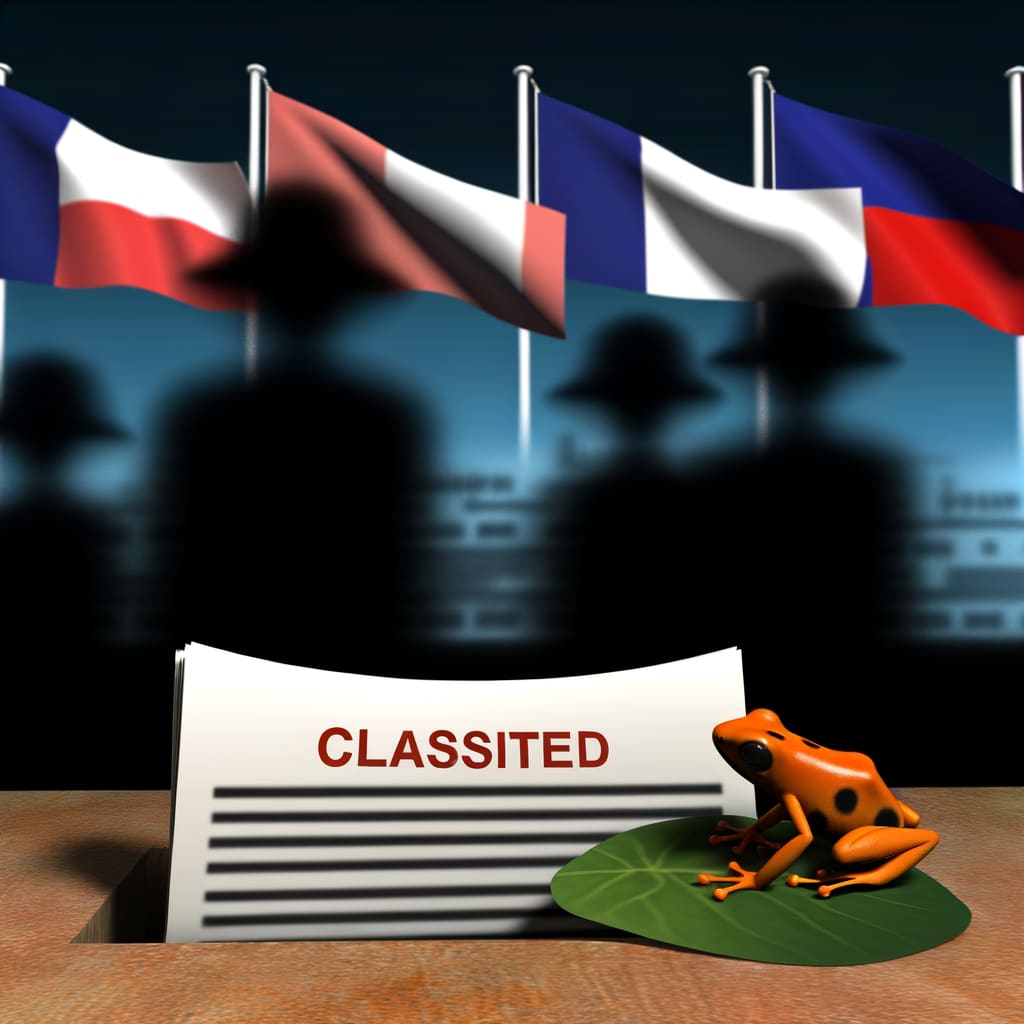
In a joint statement, five European nations have accused Russia of poisoning the late opposition leader, Aleksei A. Navalny, with a toxin derived from the skin of Ecuadorian dart frogs. The UK, France, Germany, Sweden, and the Netherlands stated that the toxin, known as epibatidine, was found in samples taken from Navalny’s body, and they believe that it was the cause of his death two years ago while he was imprisoned in Russia.
Background and Context
Alexei Navalny, a prominent critic of Russian President Vladimir Putin, died in prison two years ago. The Russian state had long been accused of using exotic poisons to murder its opponents. The five European countries launched an investigation into the cause of Navalny's death, drawing their conclusions from the analysis of samples from Navalny's body.
Poisoning Details
According to the joint statement by the five countries, Navalny was poisoned with a lethal toxin
known as epibatidine, found in South American poison dart frogs. The toxin is not naturally found in Russia, reinforcing the theory of a deliberate poisoning. Some sources suggest Navalny was poisoned twice; first with a nerve agent known as Novichok, then with the dart frog toxin. However, the Russian government has repeatedly denied any responsibility for Navalny's death, dismissing the allegations as a 'Western propaganda hoax.'
Only the Russian state had the means, the motive, and the opportunity to deploy this lethal toxin against Alexei Navalny during his imprisonment in Russia,the intelligence services of the five Western countries noted.
International Reactions and Implications
The findings of the investigation have sparked international outrage, with various governments calling for accountability.
Putin is a murderer,Navalny's widow was quoted saying, demanding that the Russian leader be held accountable.
The case has been reported to the OPCW, the chemical weapons control organization. However, the US was not one of the intelligence agencies making the claim.
It's also worth noting that the announcement of these findings was deliberately timed to coincide with a security conference in Munich, which could suggest a strategic move to apply political pressure on Russia.
Conclusion
The death of Navalny, who was a major figure in Russia's political opposition, represents a significant blow to political dissent in the country. Despite Russia's denial of the allegations, the international community continues to demand answers and justice for Navalny's death. As it stands, the poison frog theory adds a new layer to the mystery surrounding Navalny's death, with the five European nations confident in their findings.